.svg)

.svg)


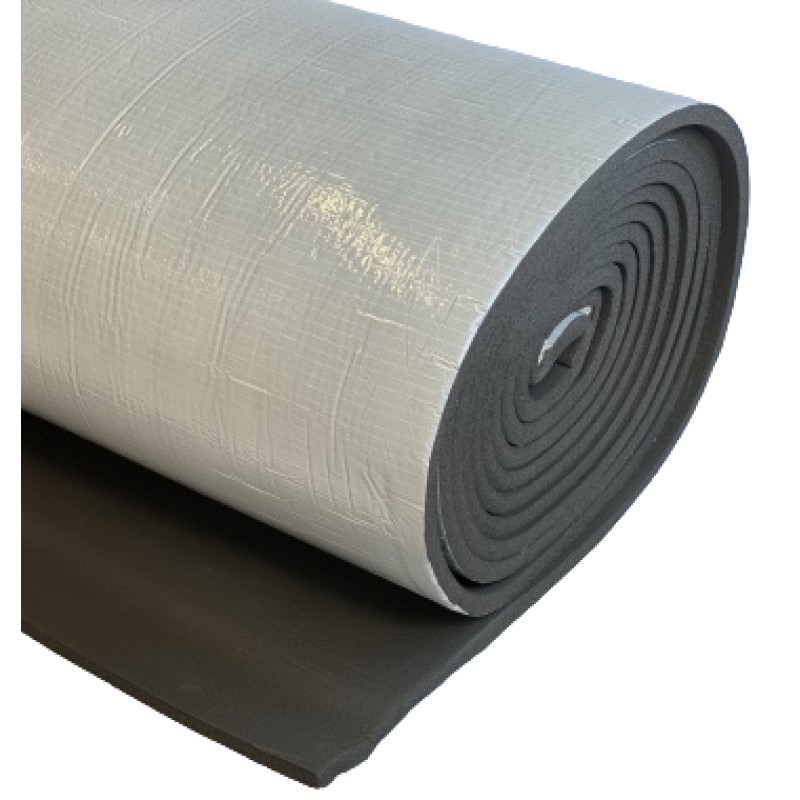
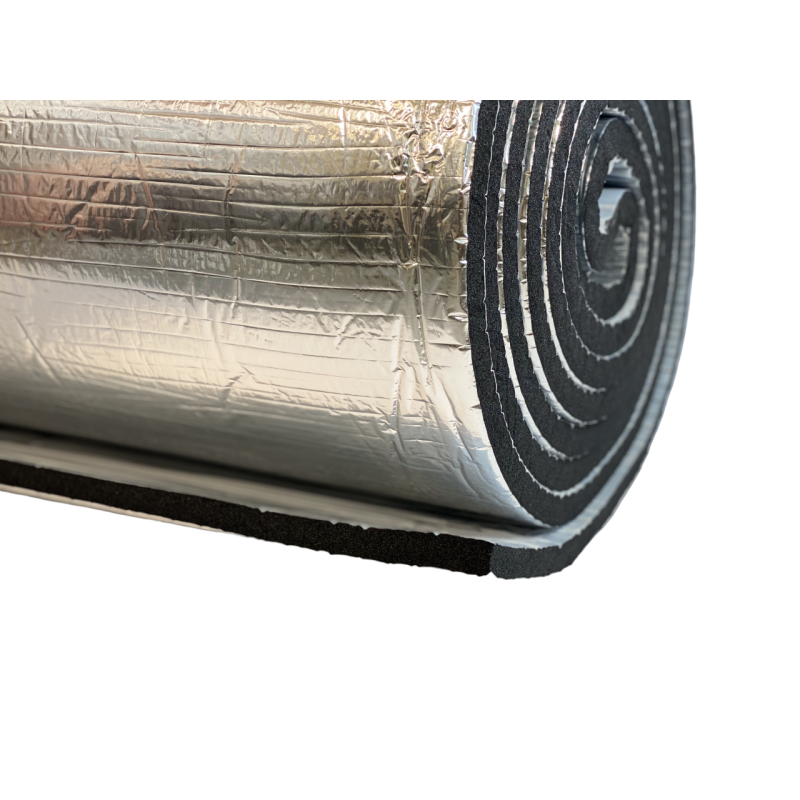
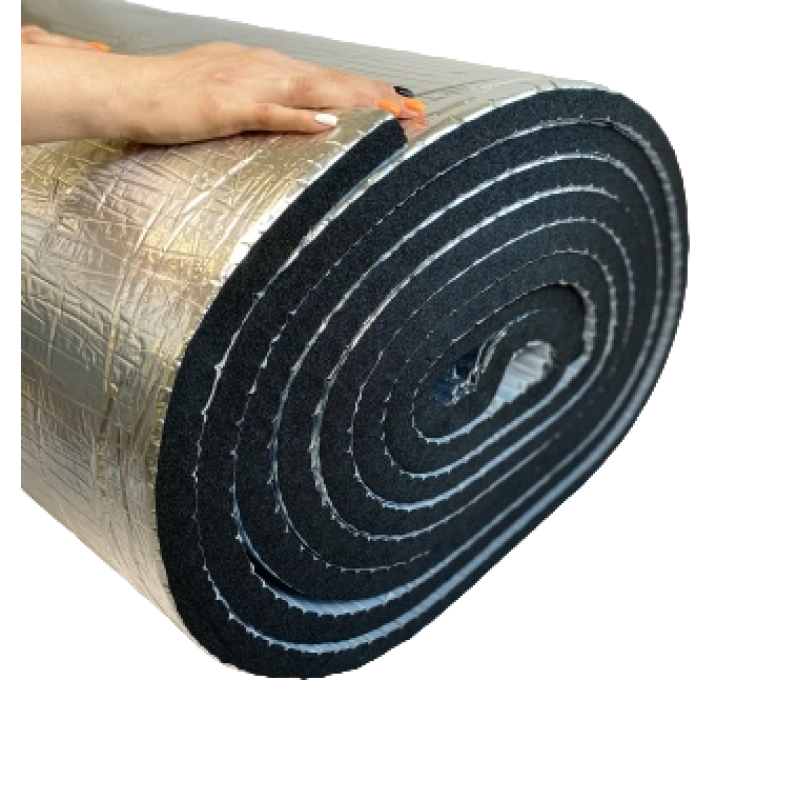
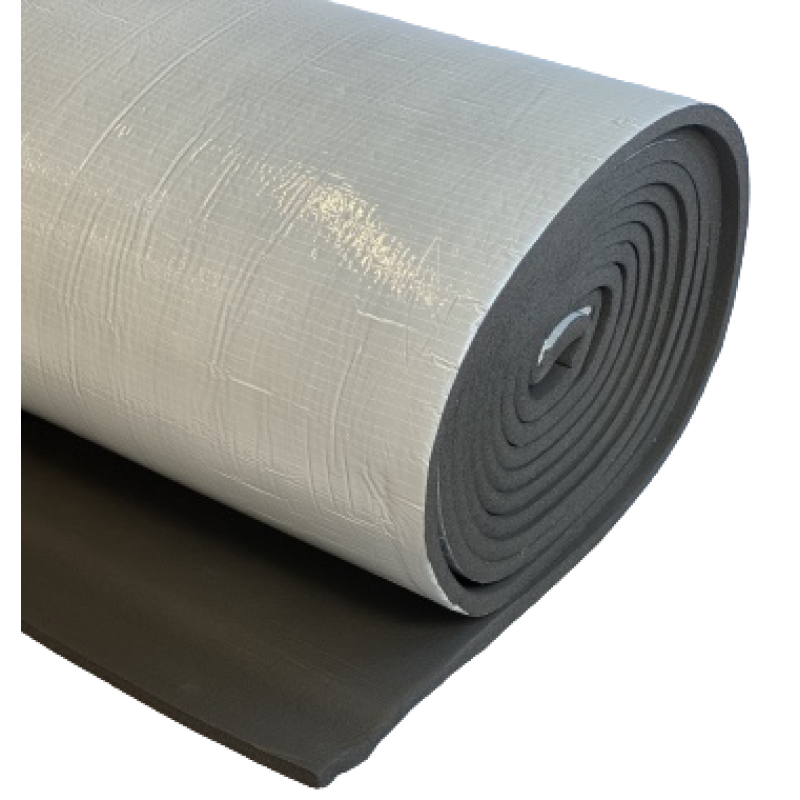
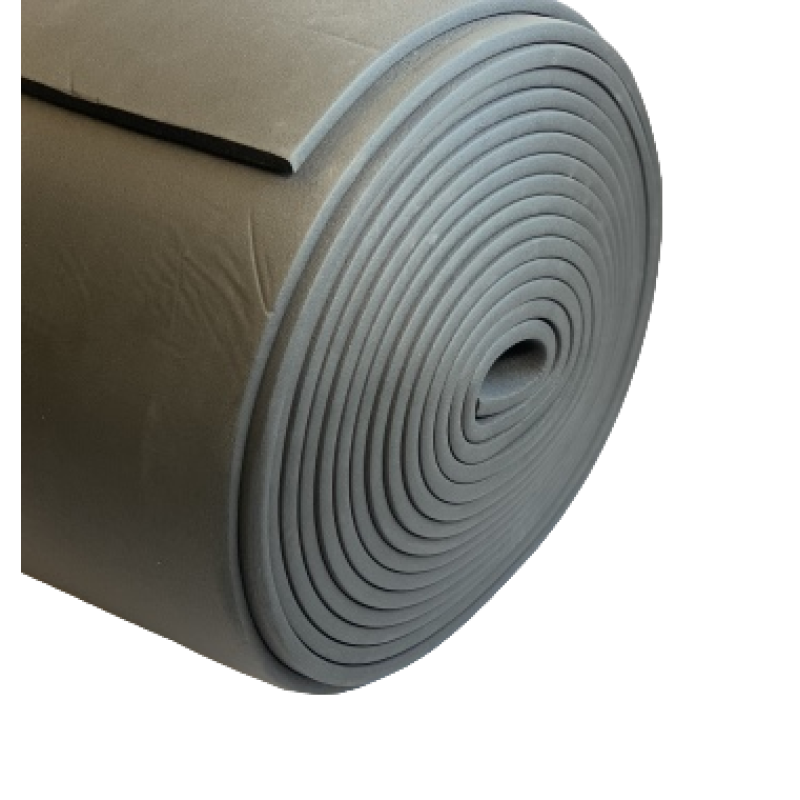
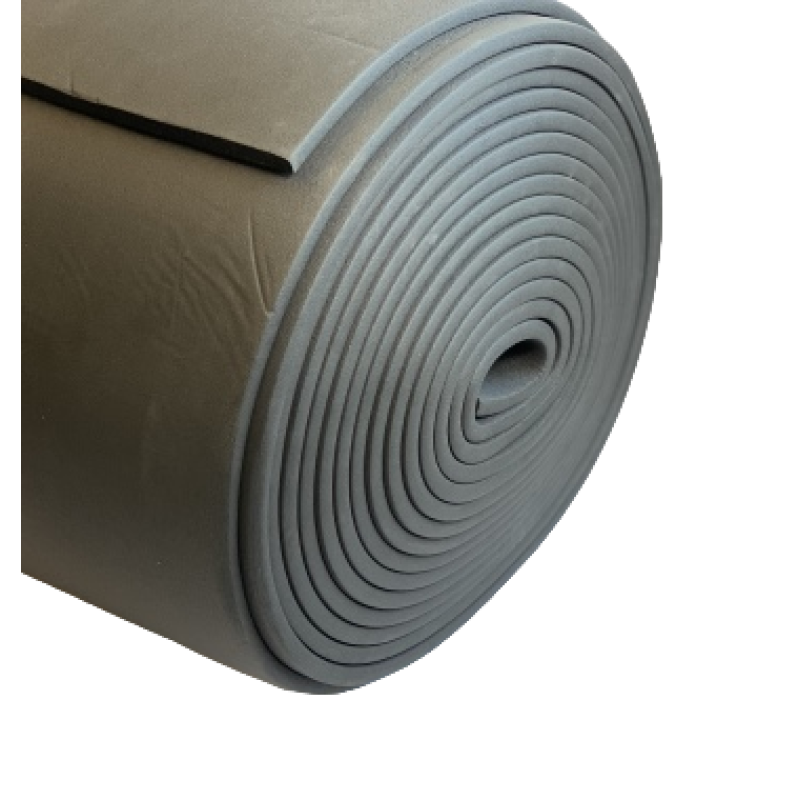
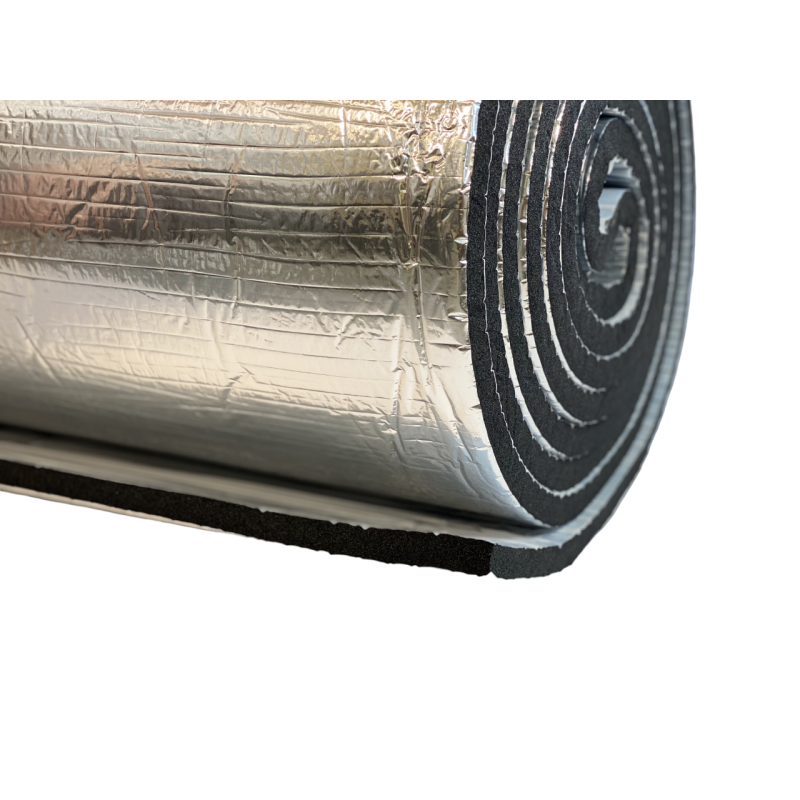
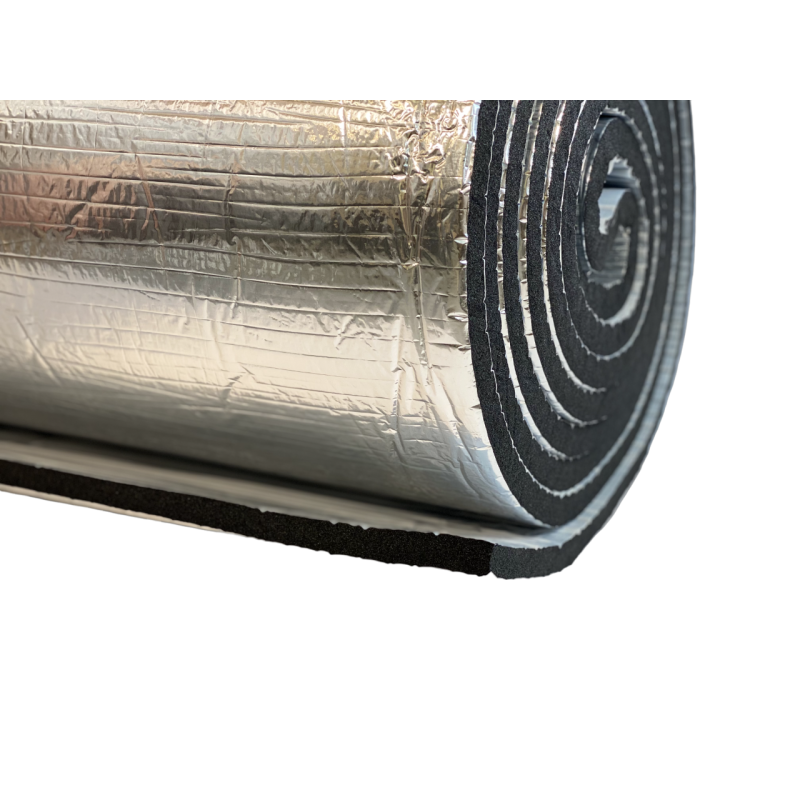
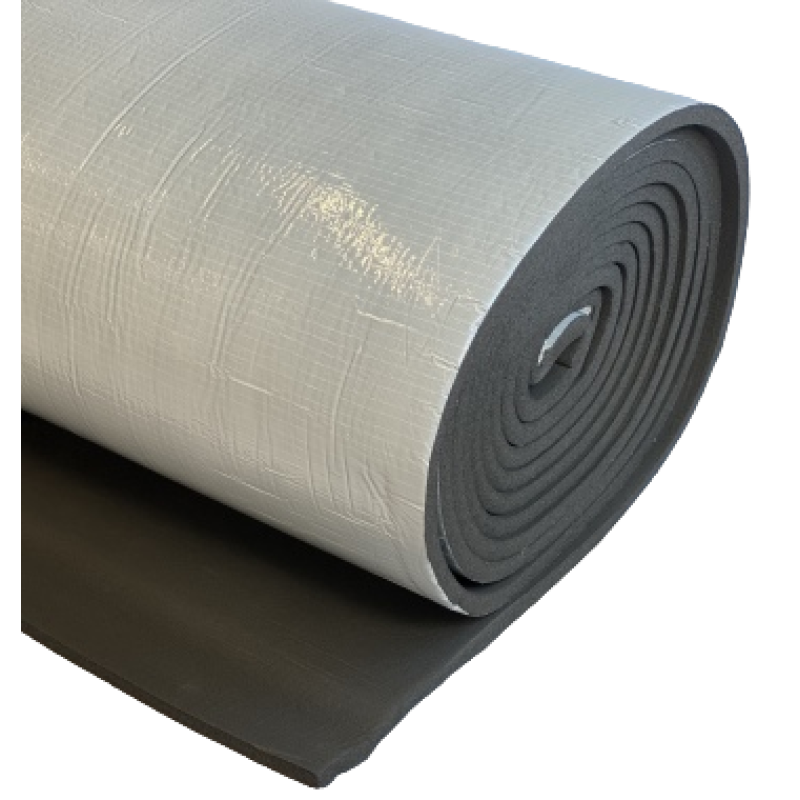
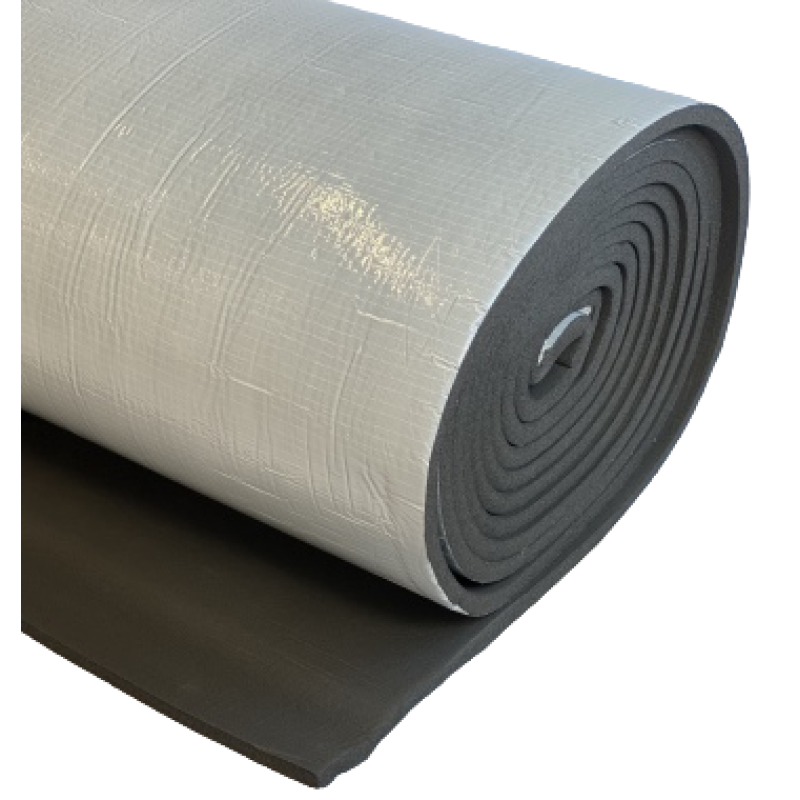
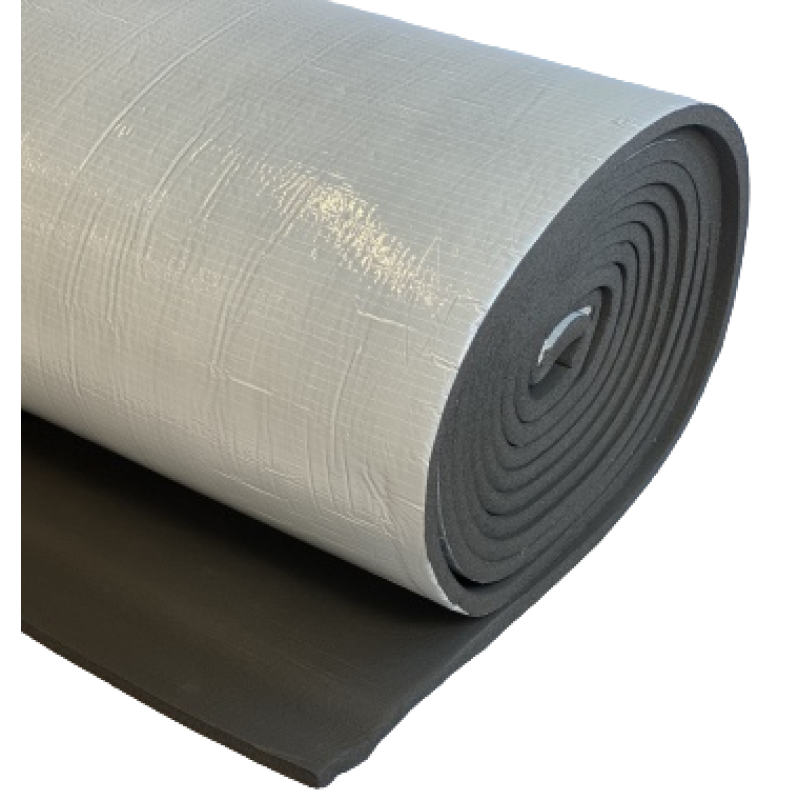
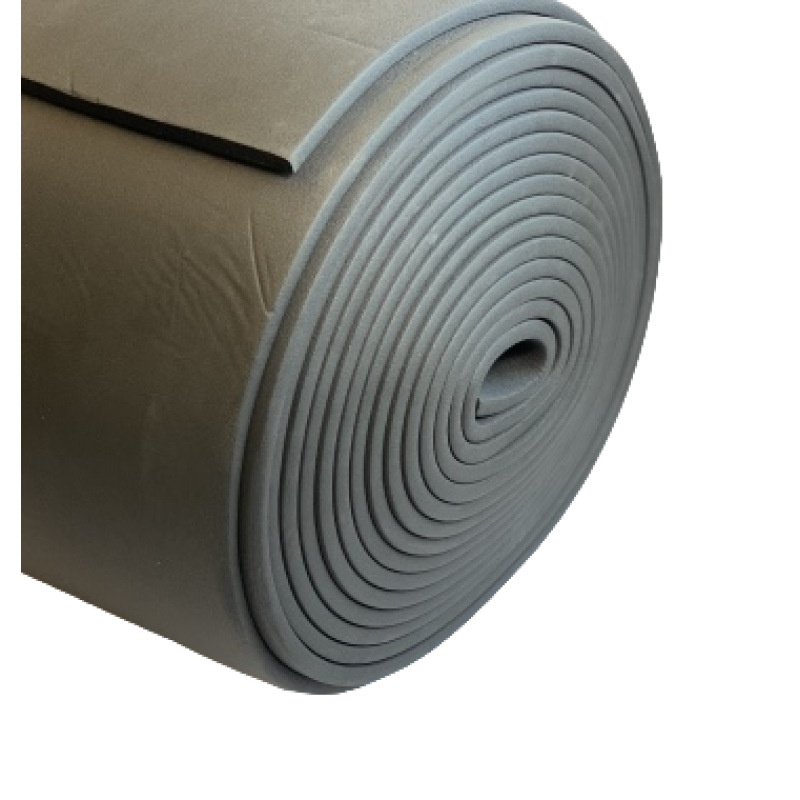
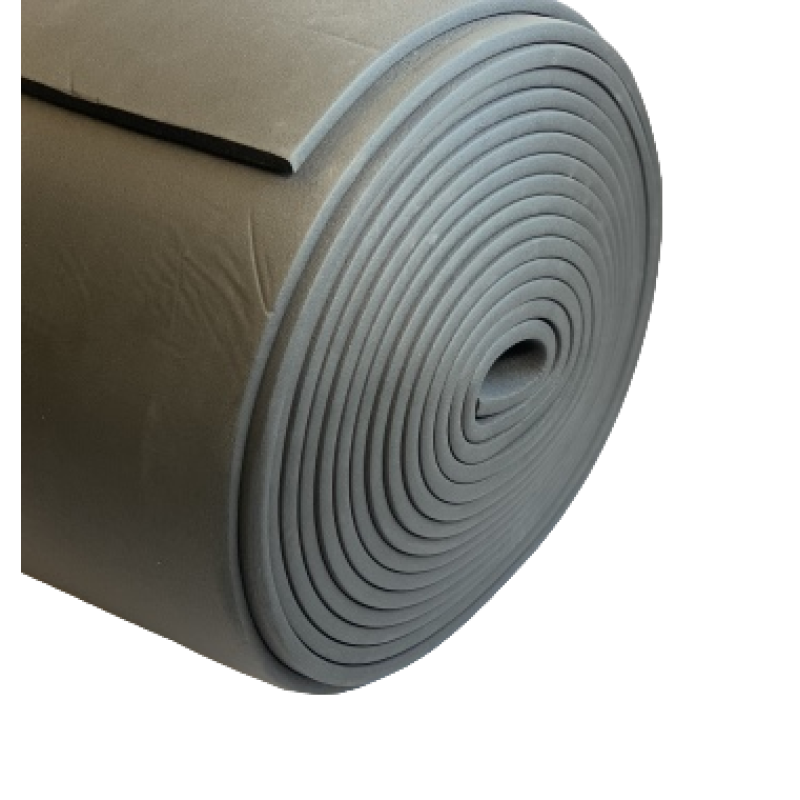
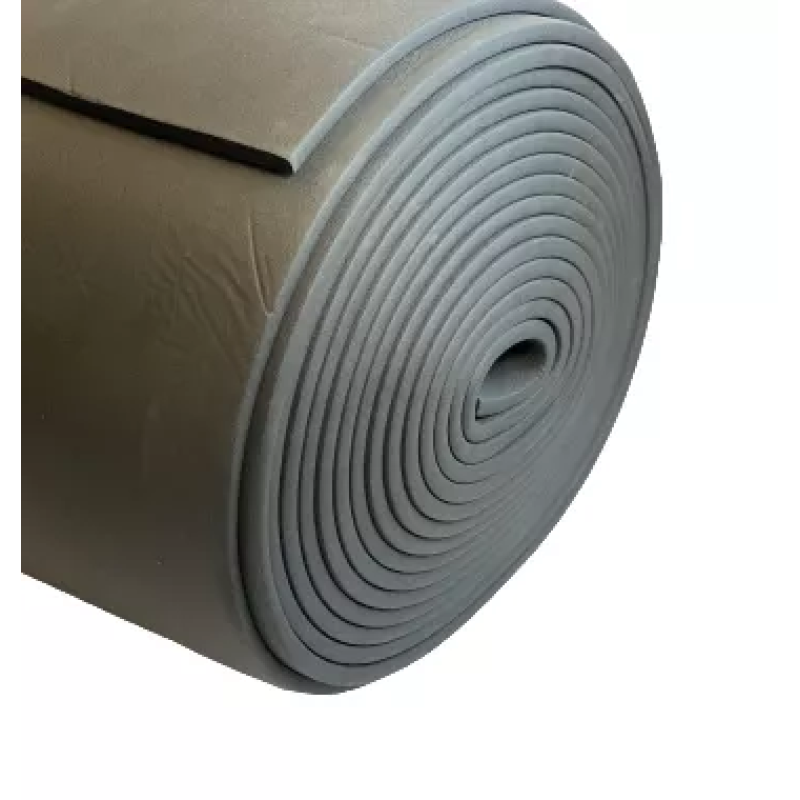
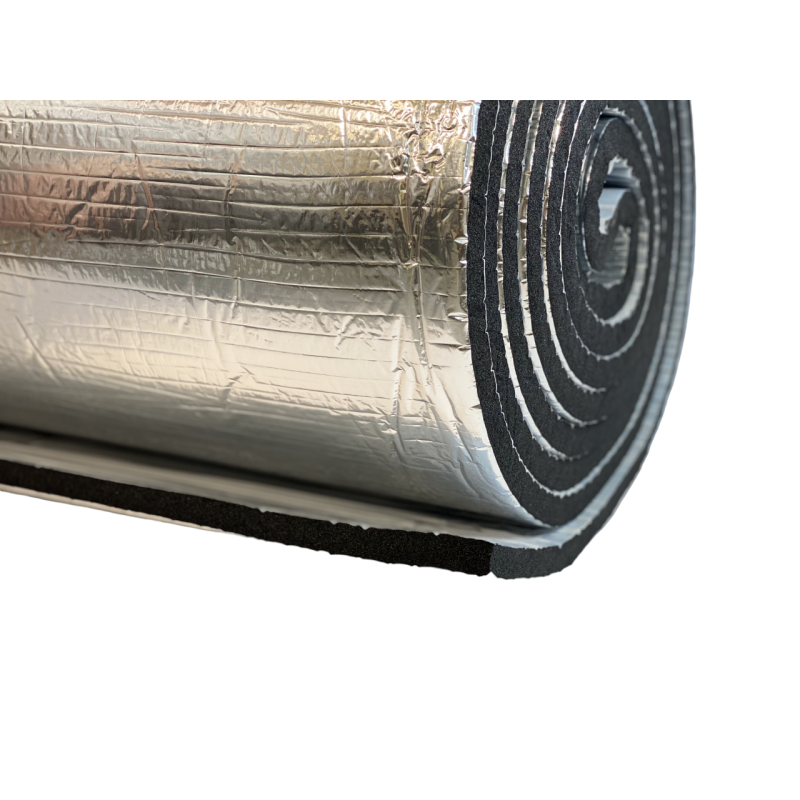
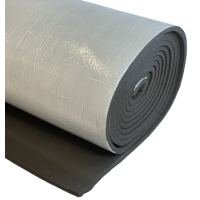
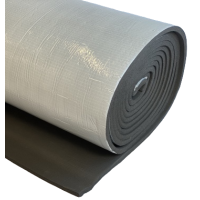
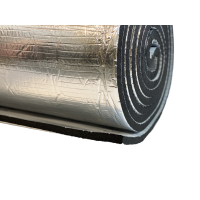
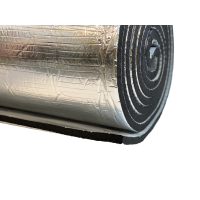
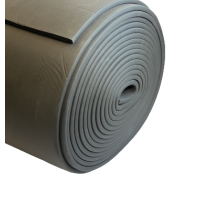
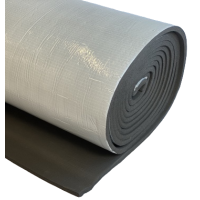
Sheet rubber insulation is a modern, high-tech material designed for comprehensive protection against heat loss, noise, and vibration. It combines the elasticity of rubber with the closed-cell structure of foamed material, ensuring durability and stable performance under any operating conditions.
If you need to purchase foamed sheet rubber, our specialists will help you select the optimal thickness, density, and coating type. We offer only original certified materials, fast delivery across Ukraine, and professional consultation.
What is Sheet Rubber Insulation?
Sheet rubber insulation is manufactured from synthetic rubber (EPDM, NBR, or their combinations) using a high-pressure foaming process. This creates a structure with completely closed cells, which entirely eliminates moisture absorption and condensation. Unlike mineral wool or polystyrene alternatives, this material maintains its elasticity and does not crumble or deform under load. It is resistant to UV radiation, chemicals, and mechanical stress, making it ideal for both indoor and outdoor applications.
Advantages of Foamed Sheet Rubber
Foamed sheet rubber stands out due to its low thermal conductivity coefficient (0.034–0.038 W/m·K), significantly reducing heating and cooling costs. The material does not absorb water, making it resistant to rot, mold, and corrosion of the protected surfaces. Thanks to its high elasticity, it compensates for the thermal expansion of pipes and structures, preventing the formation of thermal bridges.
Additionally, foamed sheet rubber provides effective sound and vibration insulation, with noise reduction reaching 20–35 dB depending on the thickness. Installation takes minimal time — the sheets are easily cut with a standard knife and secured using adhesive or a self-adhesive backing. The service life exceeds 25–30 years without loss of performance, even in high humidity or aggressive environments.
Applications of Sheet Rubber
Sheet rubber is widely used in HVAC systems (heating, ventilation, and air conditioning) for insulating pipelines, air ducts, fittings, and tanks. In construction, it is used for insulating walls, floors, roofs, and foundations, as well as serving as a vibration-dampening substrate for equipment and flooring.
Industrial enterprises utilize the material in the oil and gas, chemical, and food industries due to its resistance to oils and aggressive media. In the transport and automotive industries, sheet rubber reduces noise and vibration in cabins, body elements, and refrigerated units. Even in the residential sector, it is popular for insulating garages, workshops, saunas, and utility rooms.