.svg)

.svg)


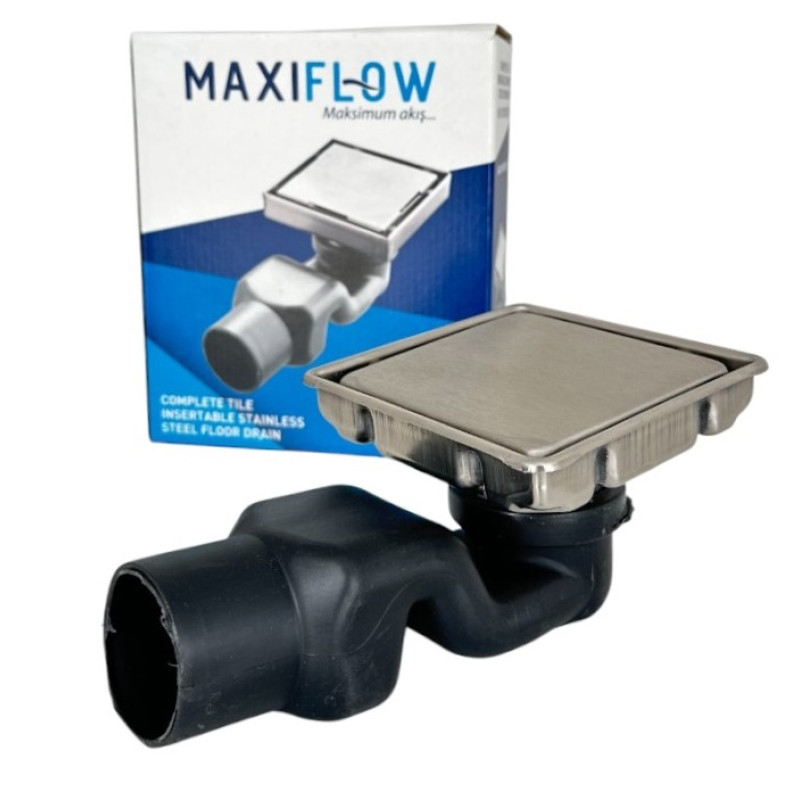
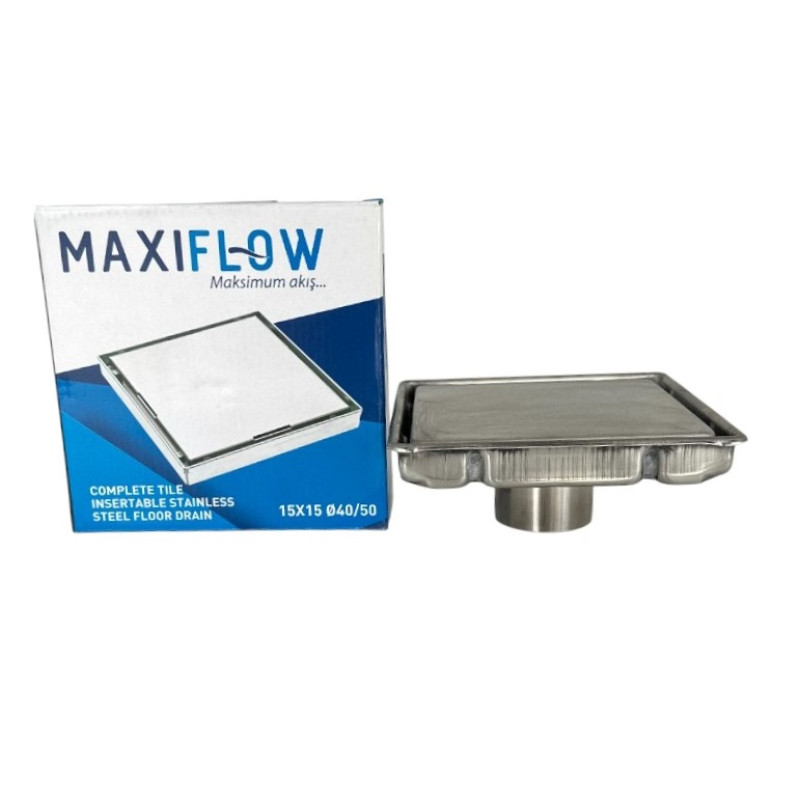
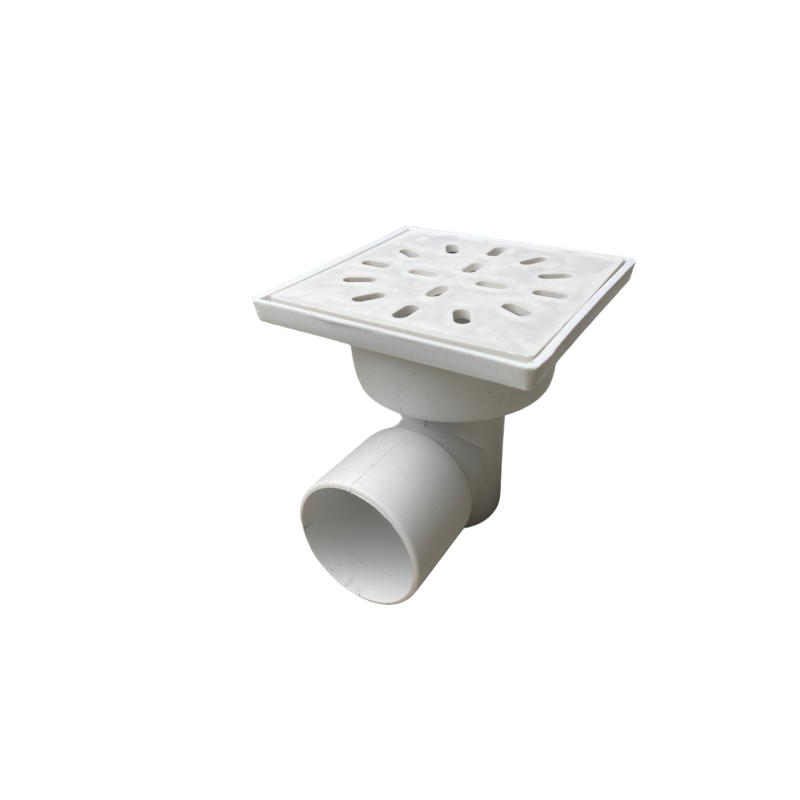
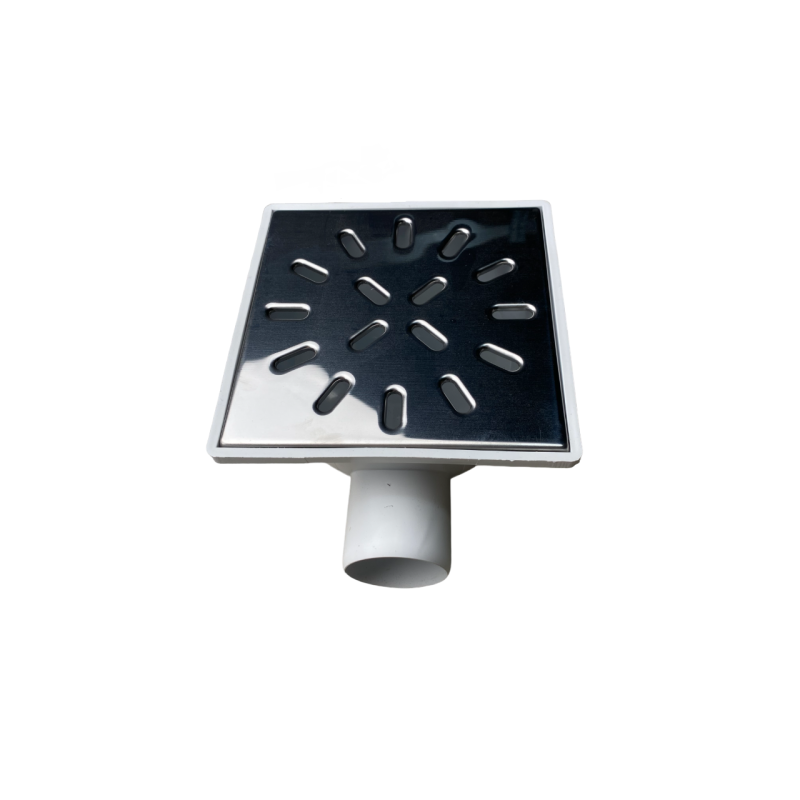
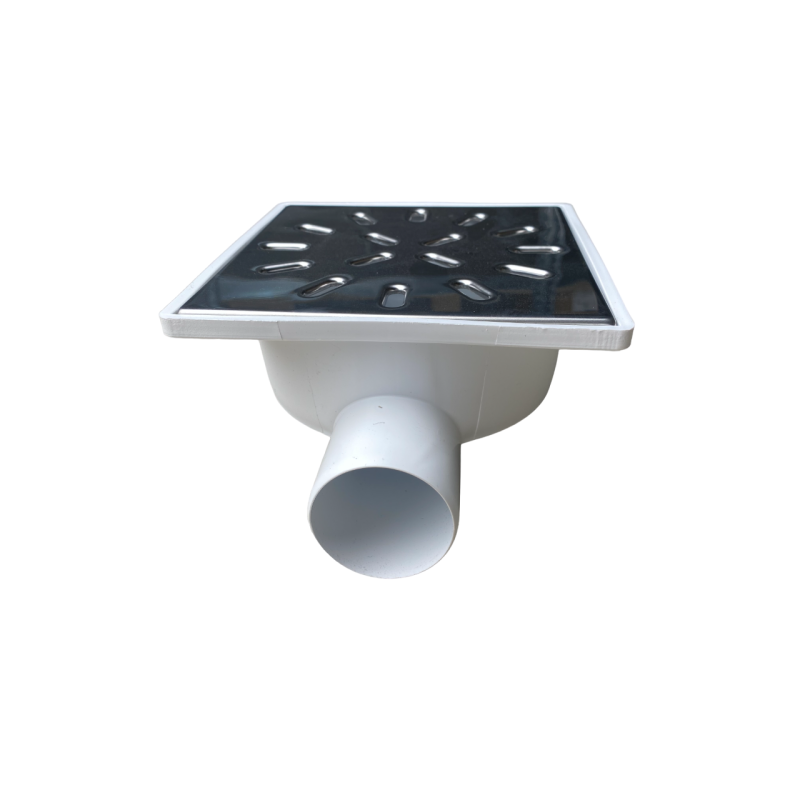
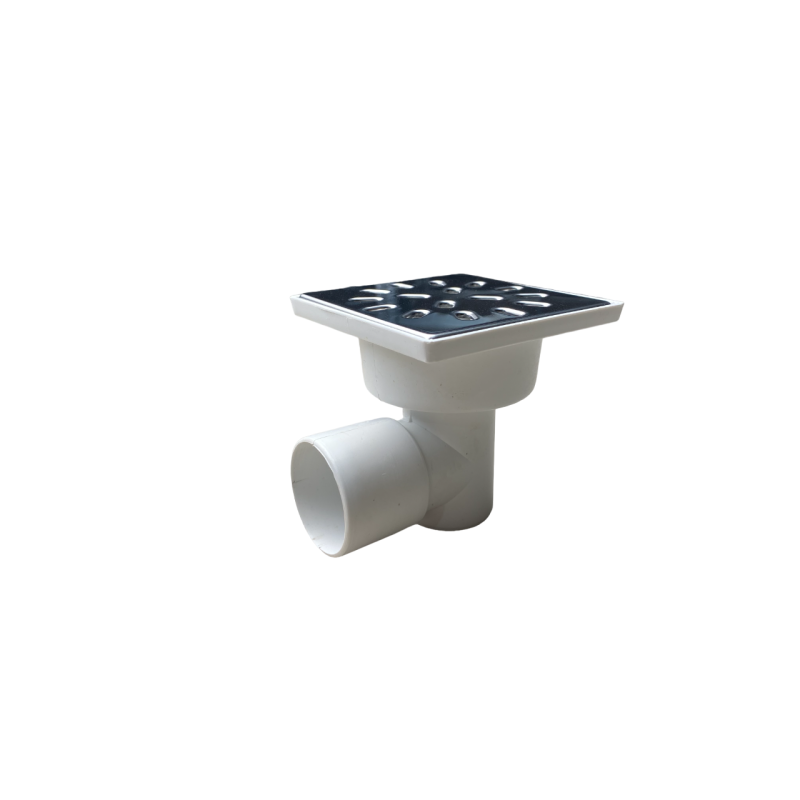
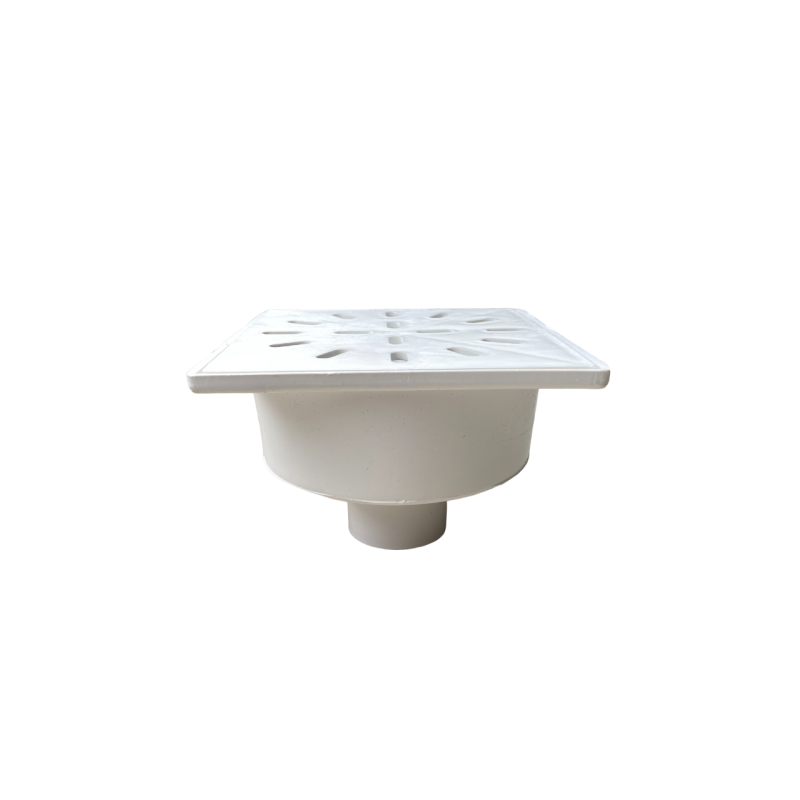
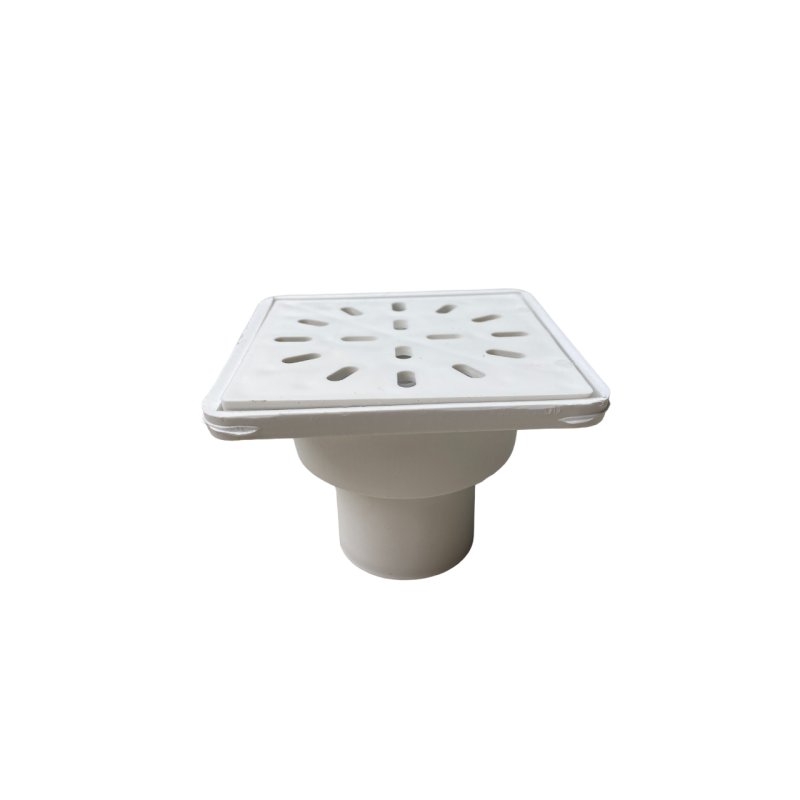
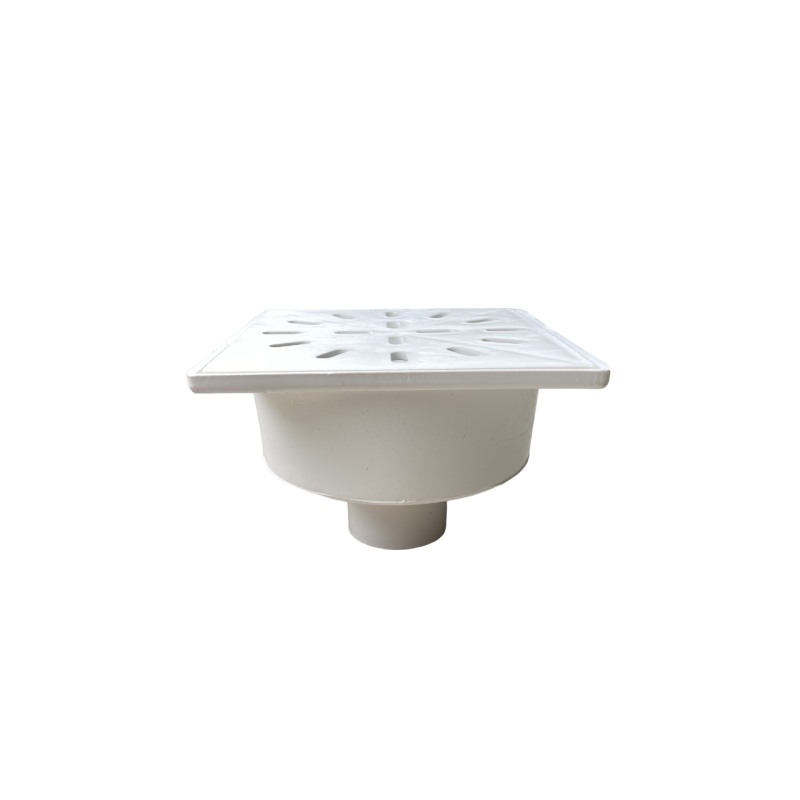
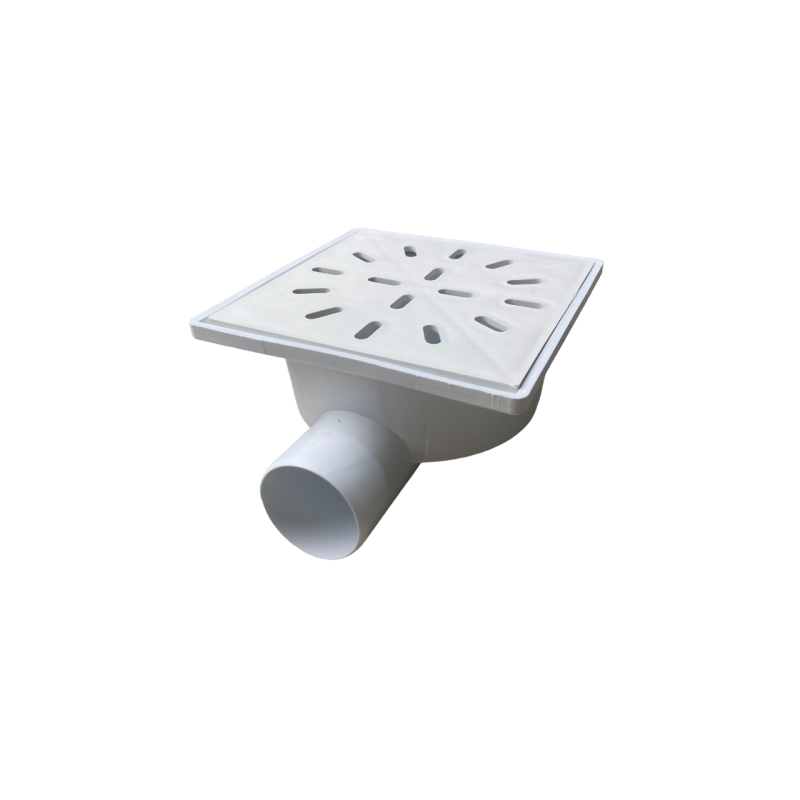
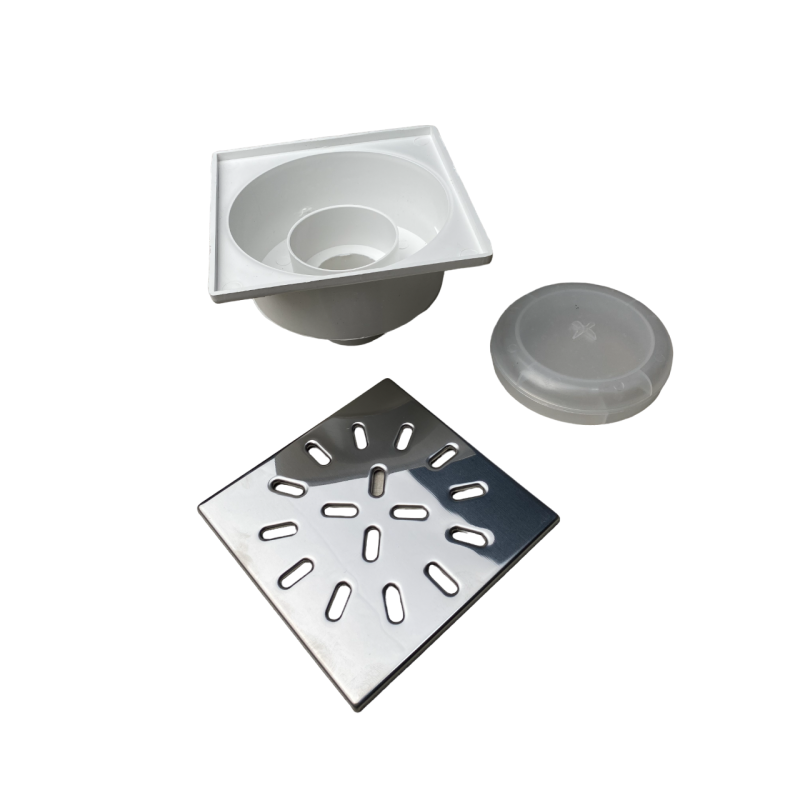
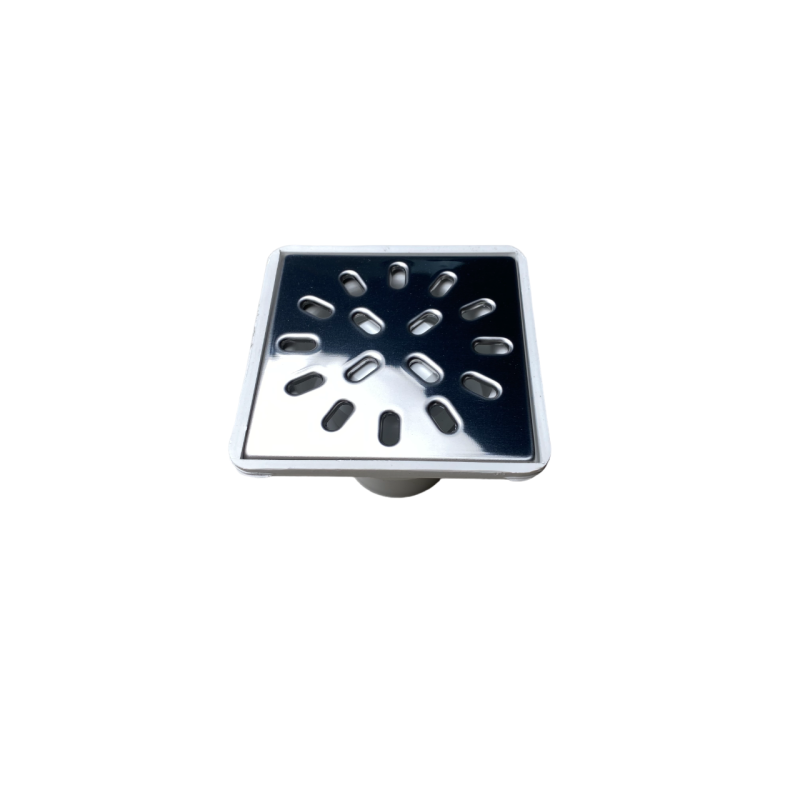
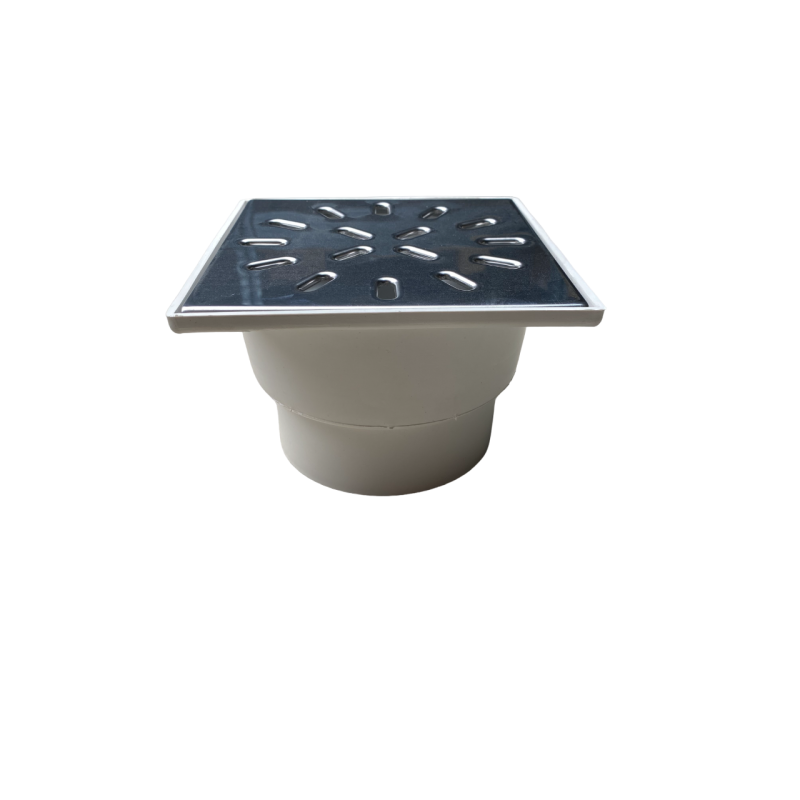
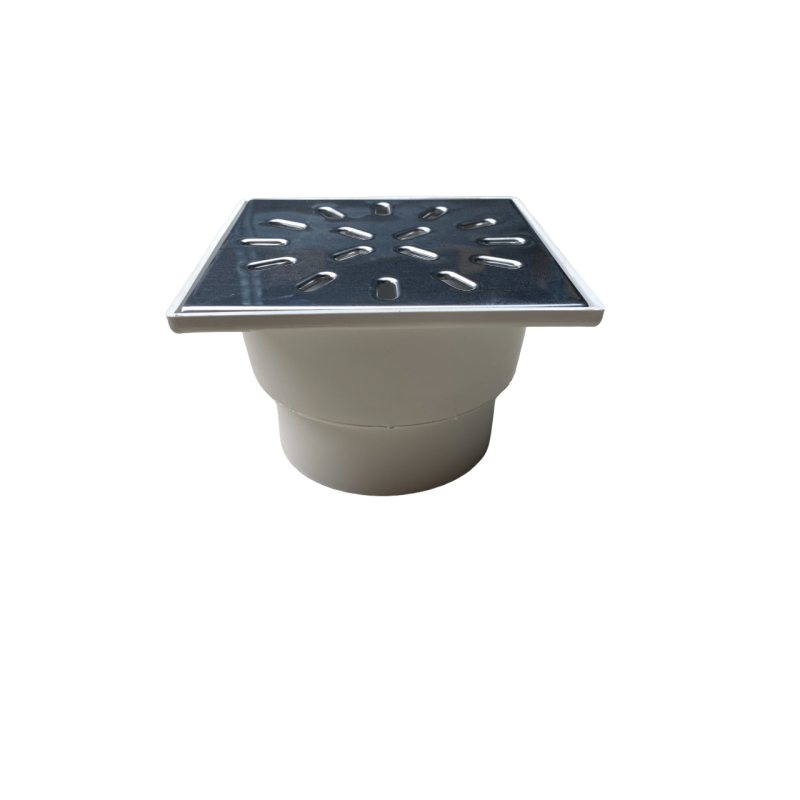
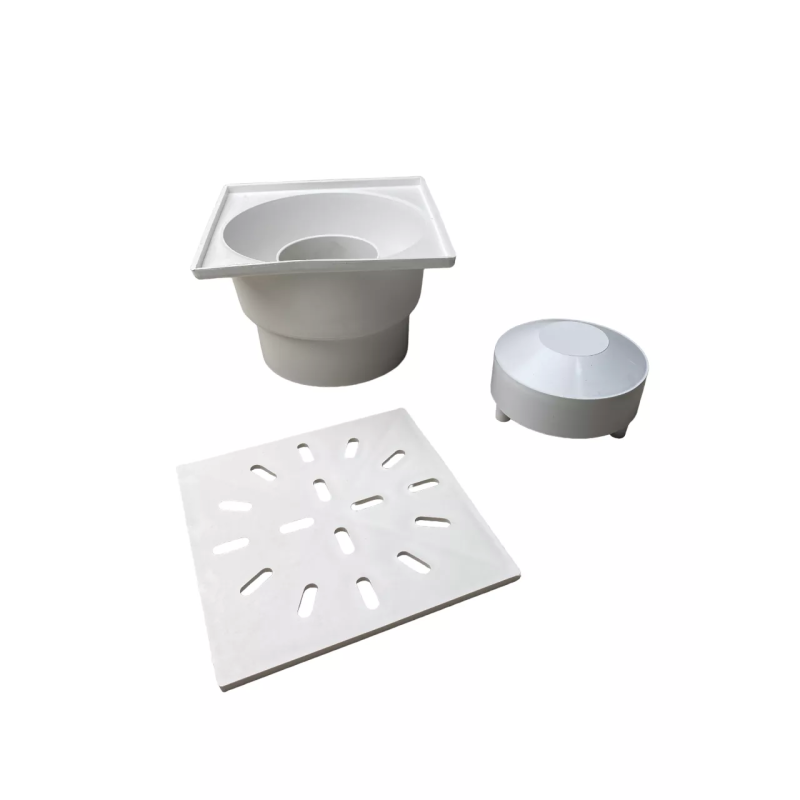
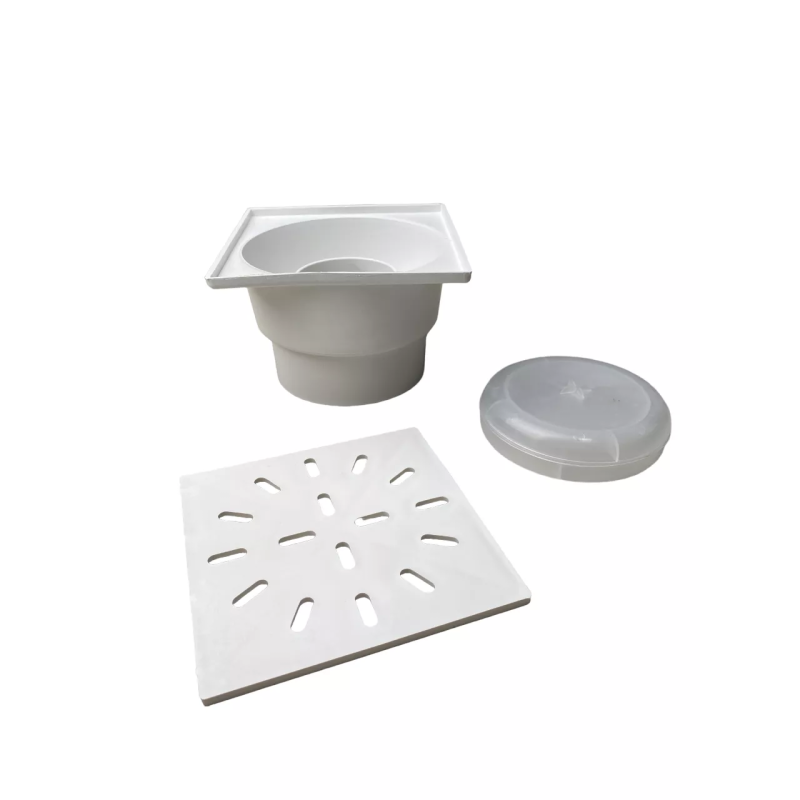
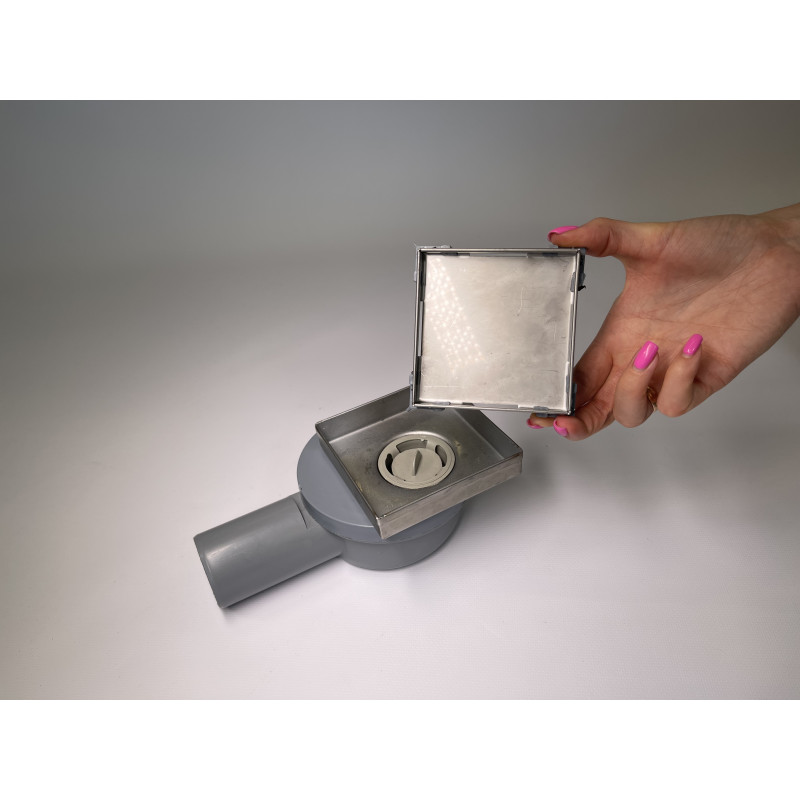
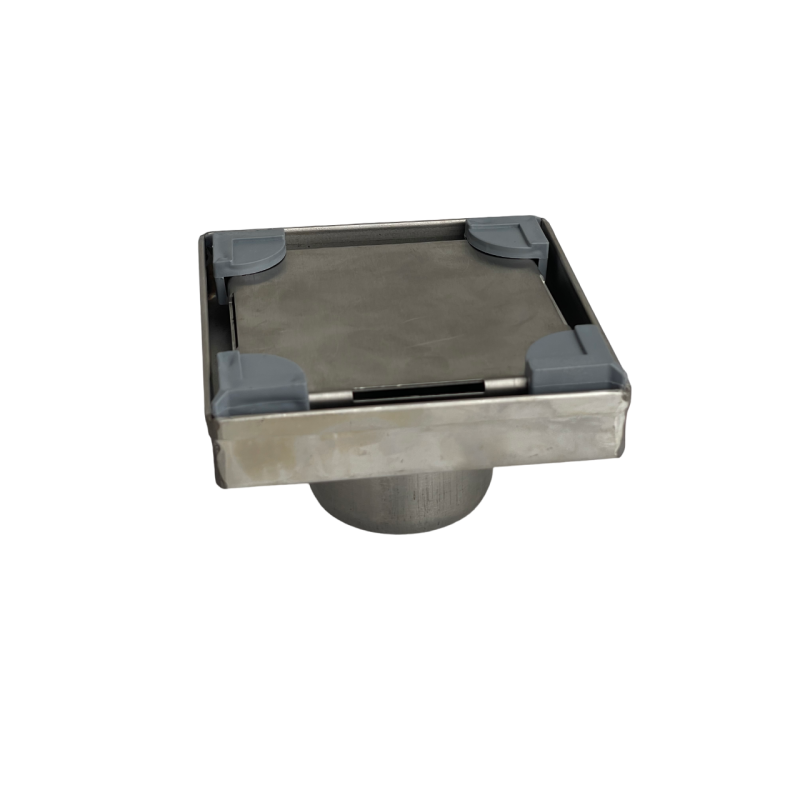
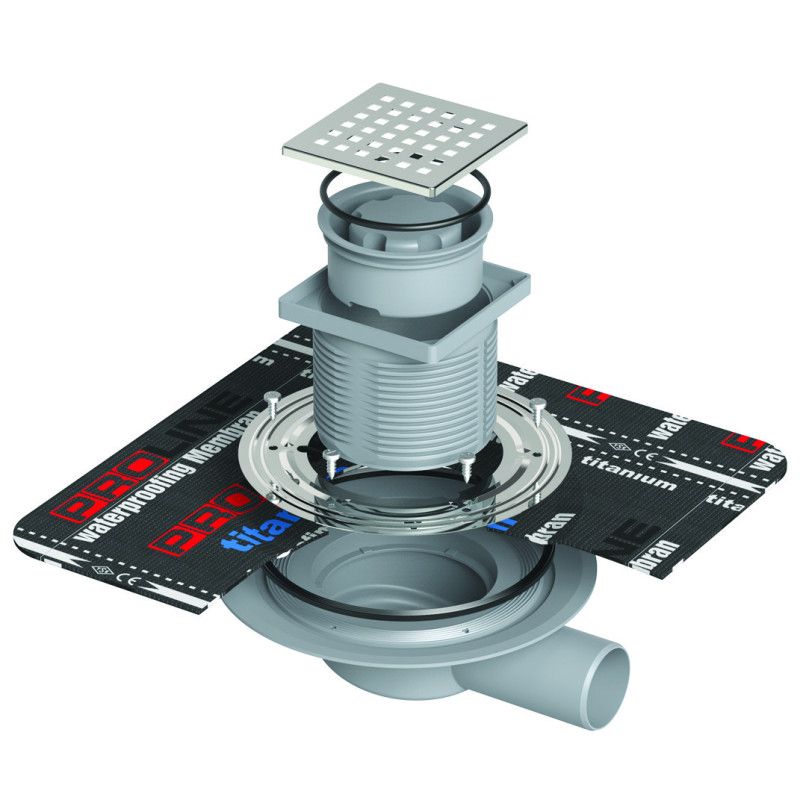
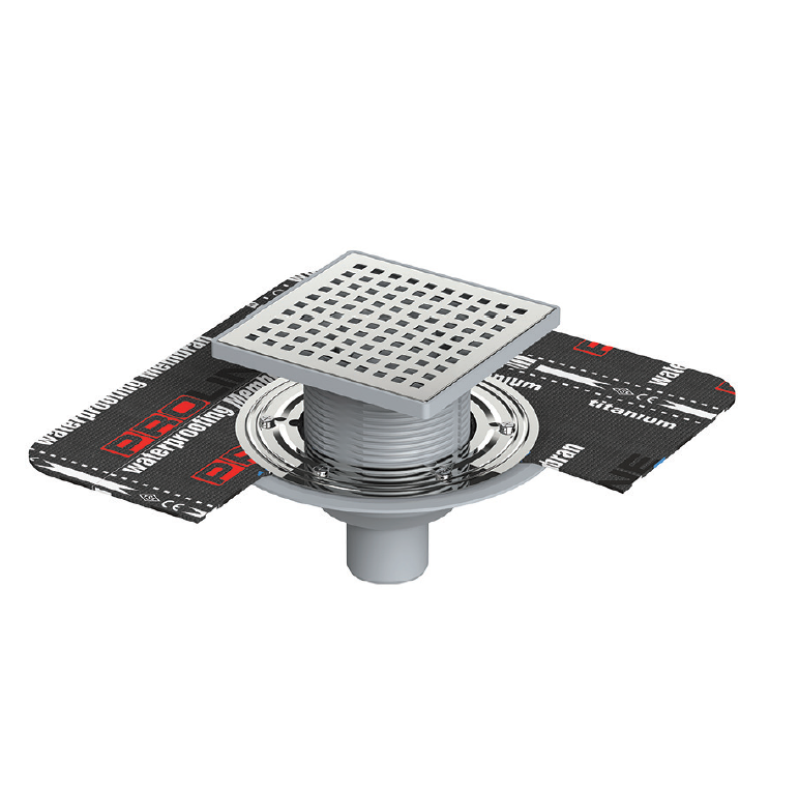
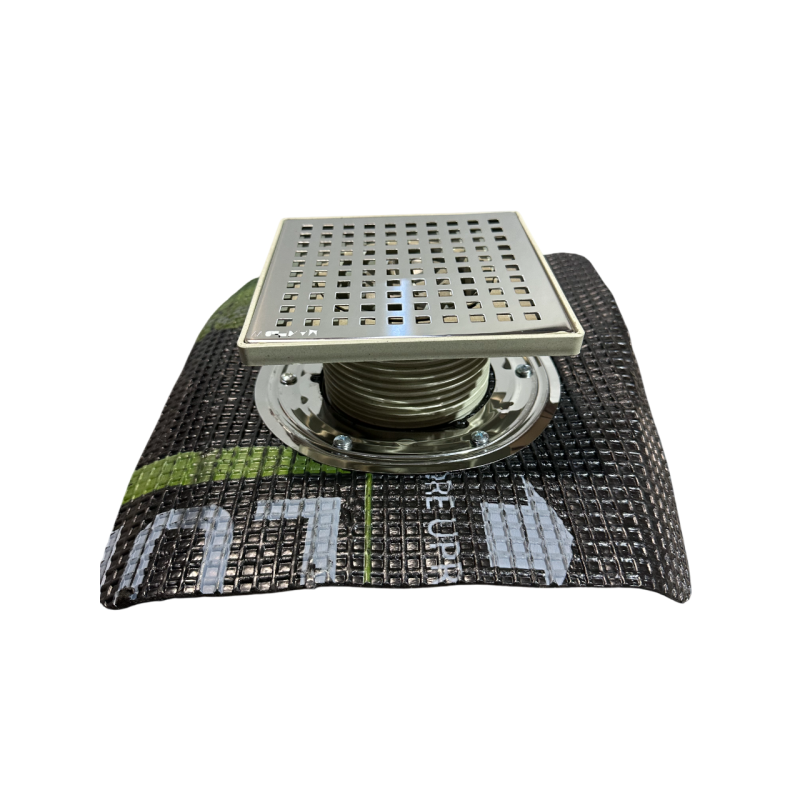
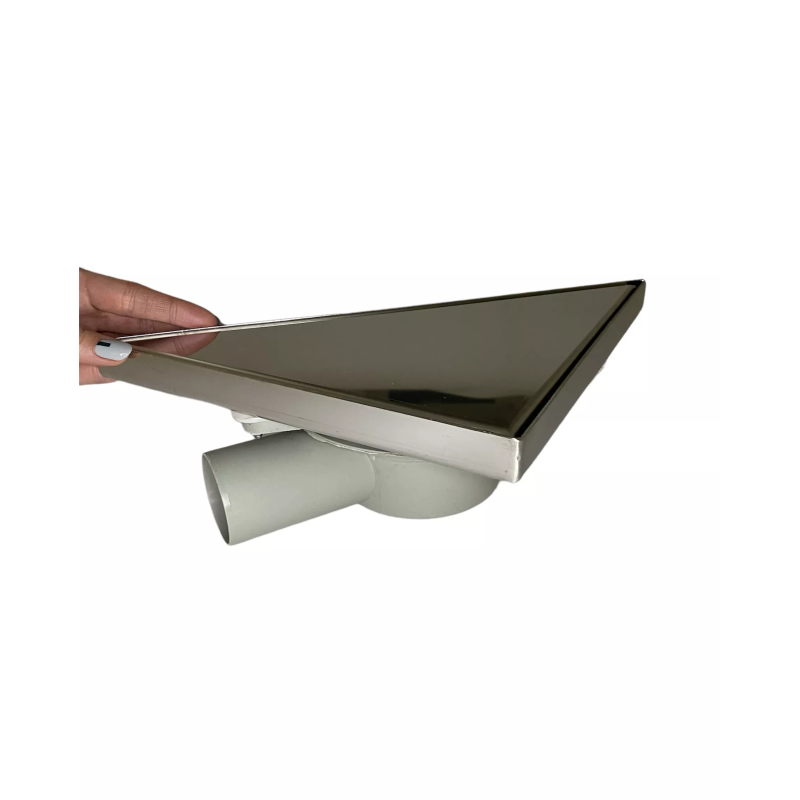
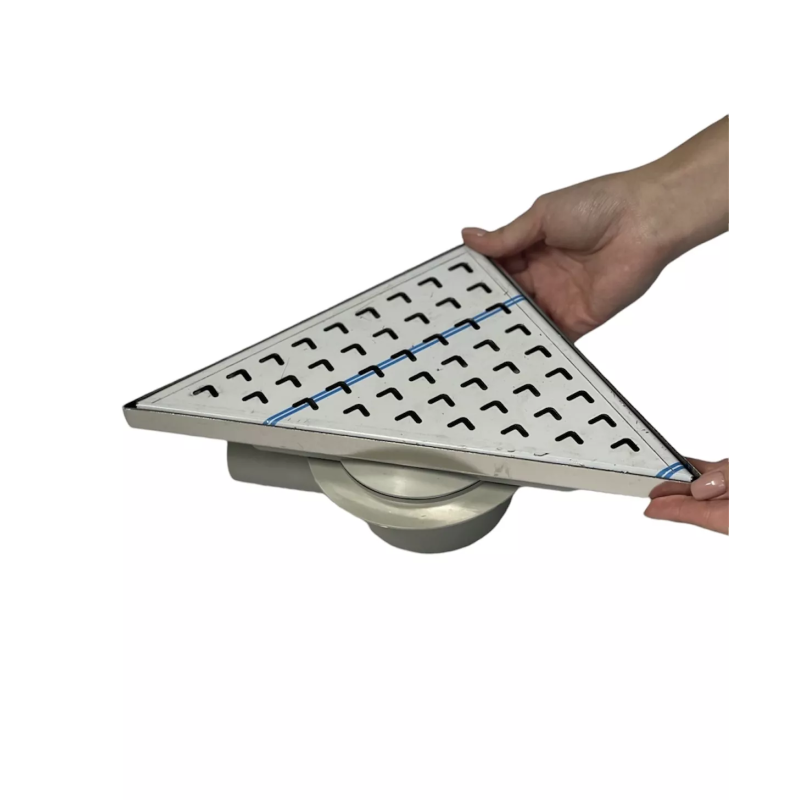
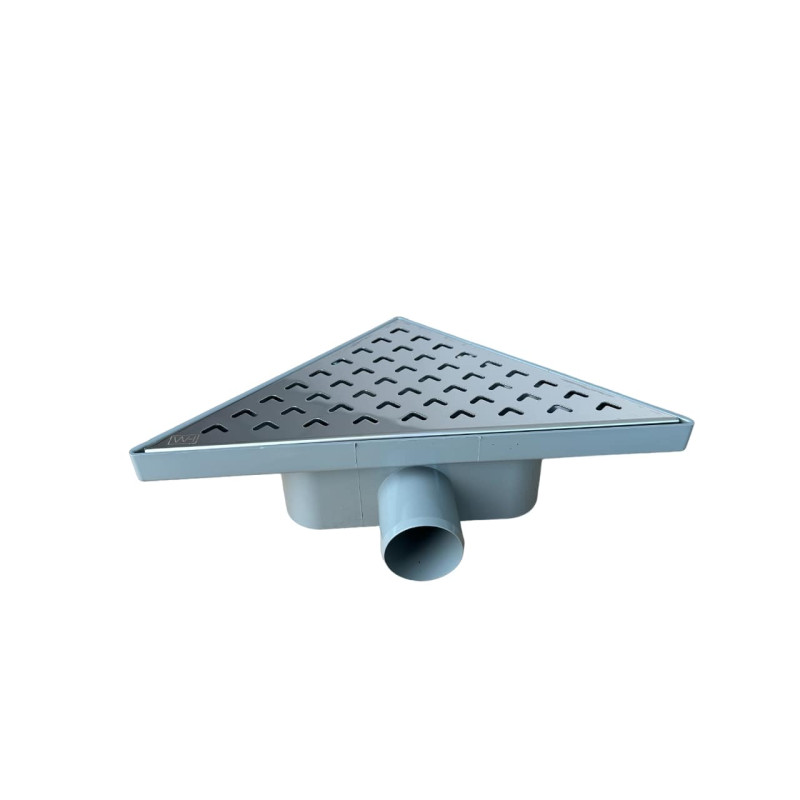
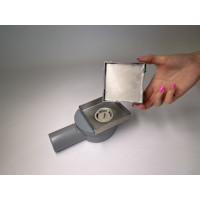
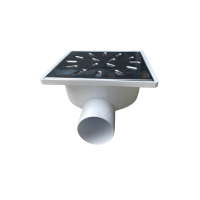
A shower drain is a key element of the plumbing system designed to drain water into the sewage system. It is installed into the floor screed, with tiles laid over it. Visually, the drain looks like a small opening in the floor, covered with a metal or plastic grille.
However, the apparent simplicity in this case is deceptive. In reality, the design of a shower drain is quite complex. The structure consists of numerous components that form an integrated system. The proper functioning of the indoor sewage system is only possible with the smooth operation of each component.
Shower drain structure
A shower drain consists of the following elements:
- Inlet housing, consisting of a water collection reservoir connected to a trap.
- A trap or dry seal.
- A seal that prevents unpleasant sewer odors from entering the room. It can be designed as a water, air, or combined air-water valve.
- A mesh filter that prevents large debris from entering the sewage system. Not all models include a mesh filter.
- A decorative metal or plastic grille mounted on top of the inlet housing.
The main function of a shower drain is to discharge wastewater into the sewage system. A properly designed and installed drain system helps prevent large dirt particles from entering the sewer pipes, protecting them from clogging.
Among other advantages of shower drains are their compactness, attractive appearance, ease of maintenance, and long service life.
Types of shower drains
Depending on the installation method, shower drains can be:
- linear;
- wall-mounted;
- point.
Linear shower drains are characterized by their ability to handle a large volume of wastewater.
Wall-mounted drains are installed in the floor at the junction of the floor and the wall. This type of drain also features high flow capacity and is virtually invisible visually.
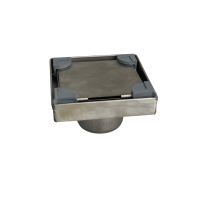
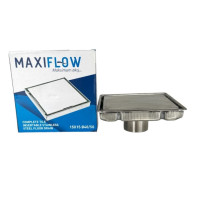
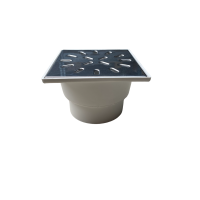
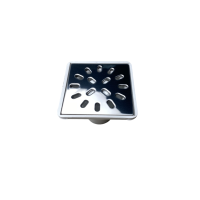
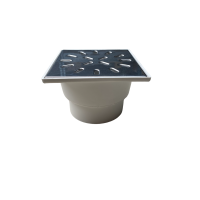
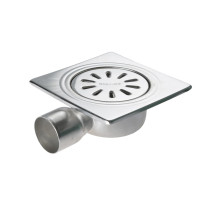
Point drains are suitable for small shower enclosures. They can be round, oval, or square and can be installed anywhere in the shower area.
According to the drainage direction, shower drains are divided into:
- horizontal;
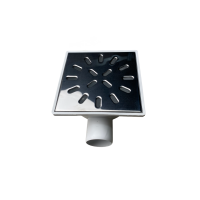
- vertical.
How to choose a shower drain?
Selecting a shower drain should be done as early as the plumbing design stage. This ensures fast and unhindered wastewater drainage.
Before purchasing a drain, it is important to consider the following aspects:
- Drainage direction (horizontal or vertical). This depends on the sewage pipe layout.
- The type of seal that prevents unpleasant sewer odors from entering the room. It can be "dry" or "wet". A "wet" seal creates a water trap in the pipe, while a "dry" seal creates an air barrier. If the shower is used infrequently, drains with a "dry" seal are recommended.
- The flow capacity of the structure and the diameter of the sewer pipe to which the drain will be connected.
- The quality of the materials from which the drain is made, as the product's service life and tightness depend on it. Plastic structures are the most popular.
- Design features of the drain. Practical experience shows that modular models are more convenient.
- Appearance. The drain grille, which remains visible after installation, should harmonize with the bathroom interior.
If you decide to buy a tile-in shower drain in Kyiv, also review the technical documentation of the product to ensure the model fits your requirements regarding installation method, water drainage, and design.
Where to buy a shower drain in Ukraine?
You can choose and buy a tile-in shower drain on our website, with fast delivery available in Kyiv and other cities of Ukraine. We offer professional consultation and personalized selection for every customer.