.svg)

.svg)


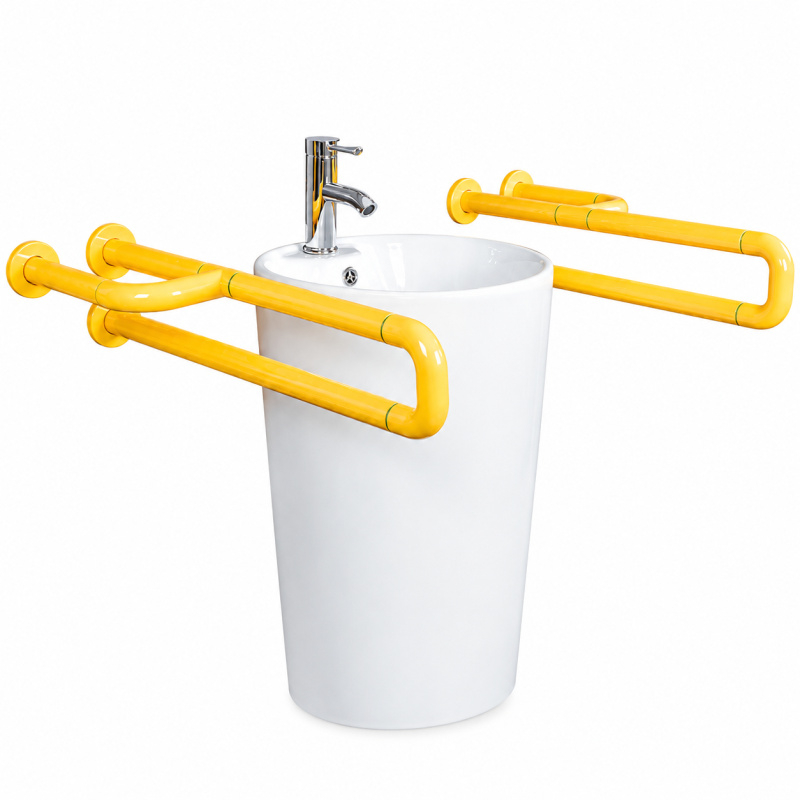
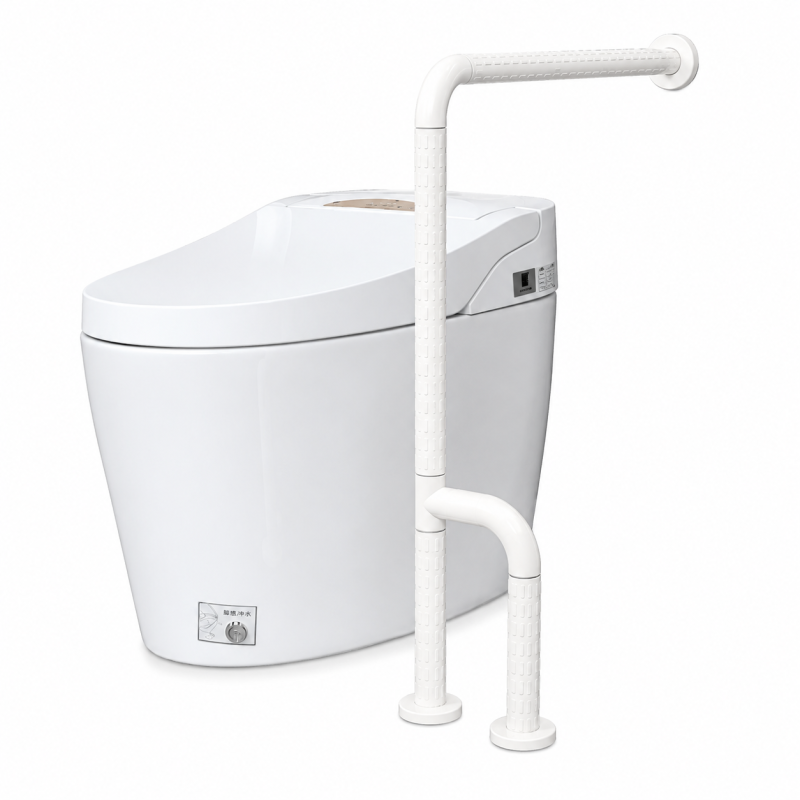
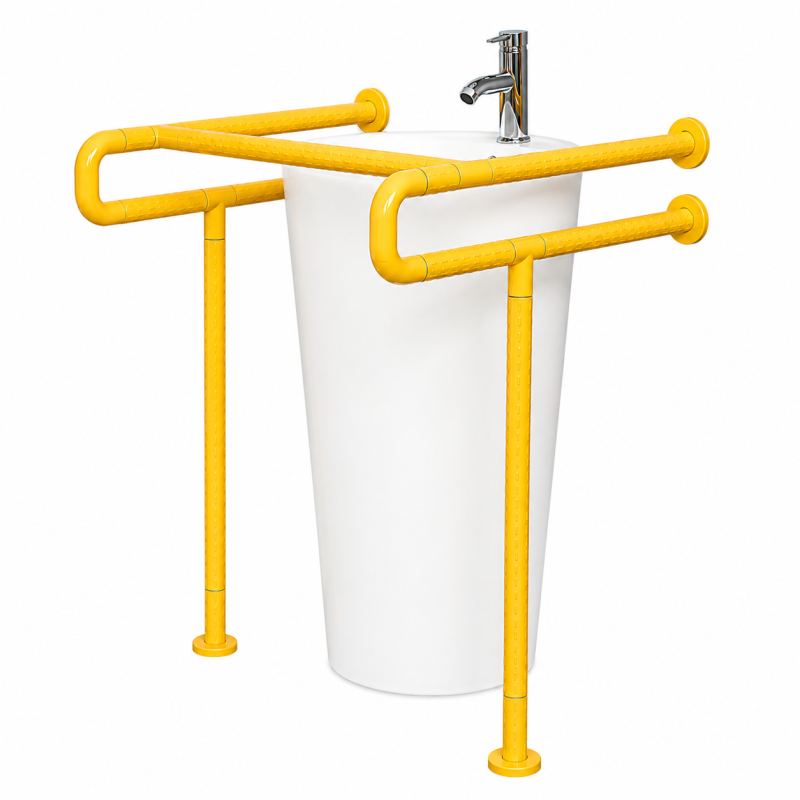
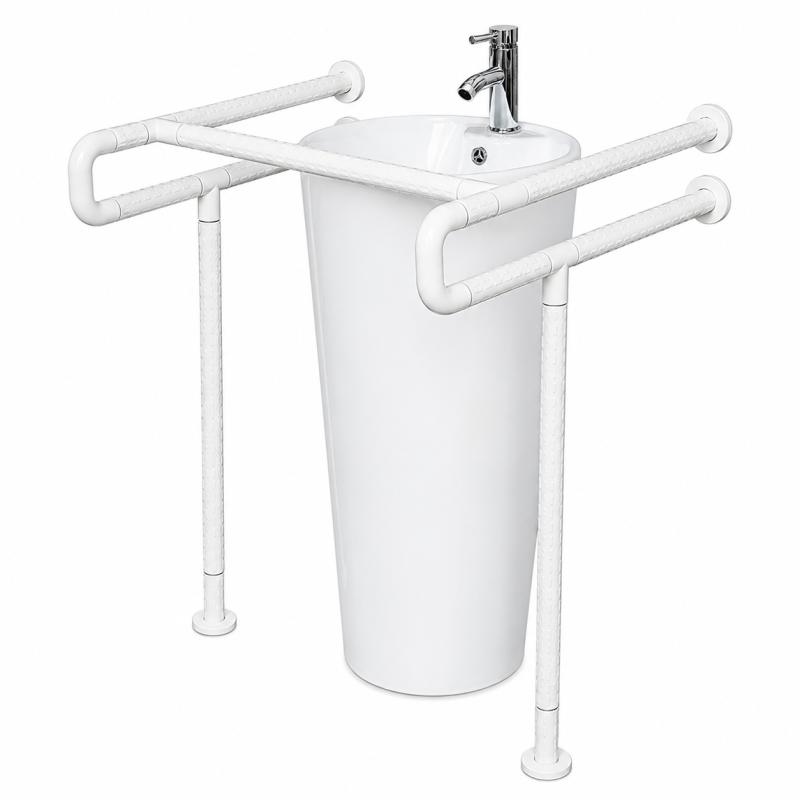
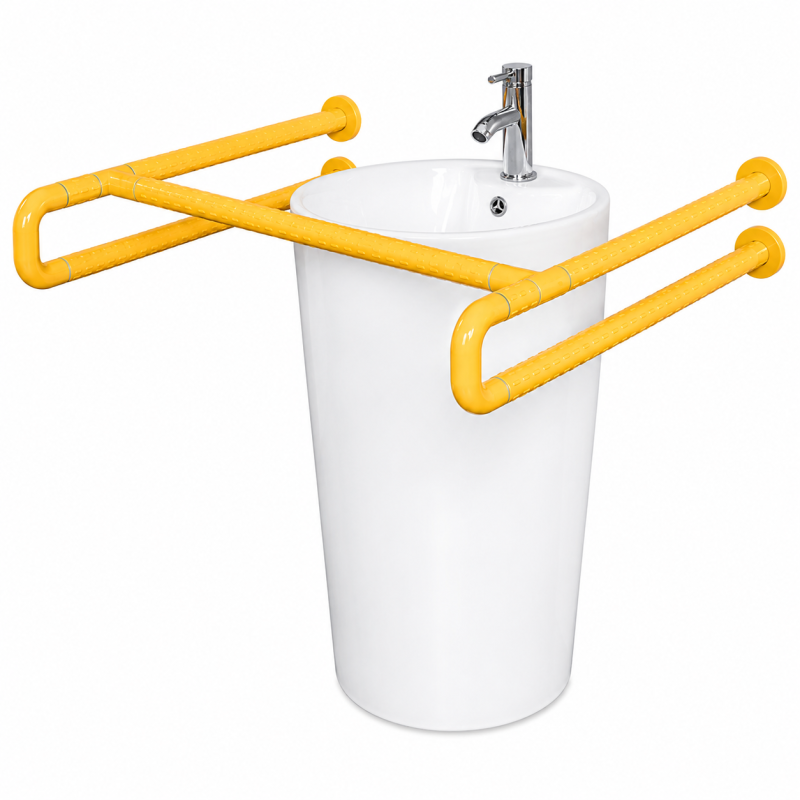
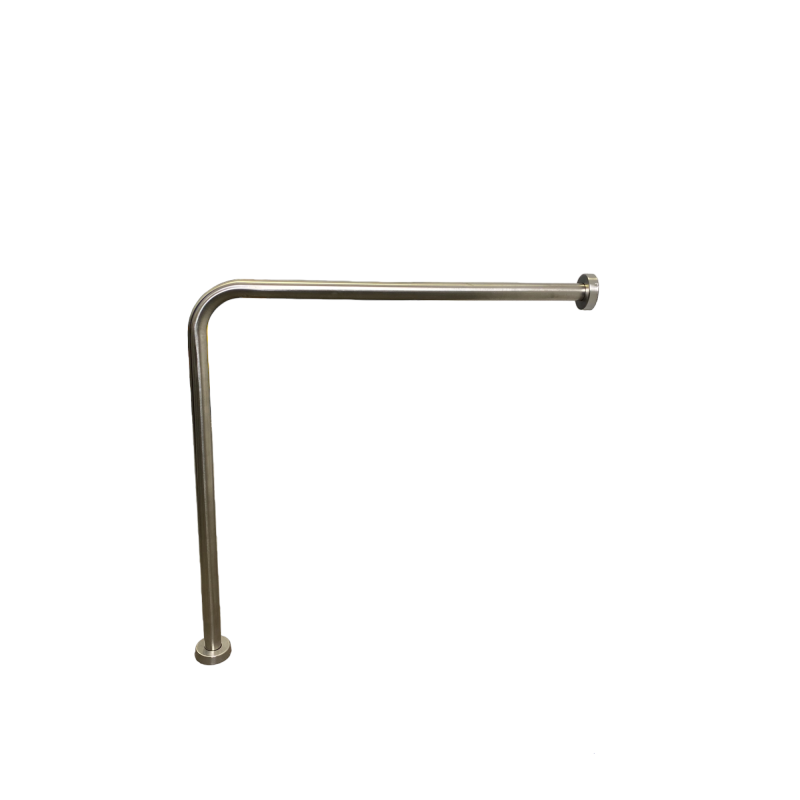
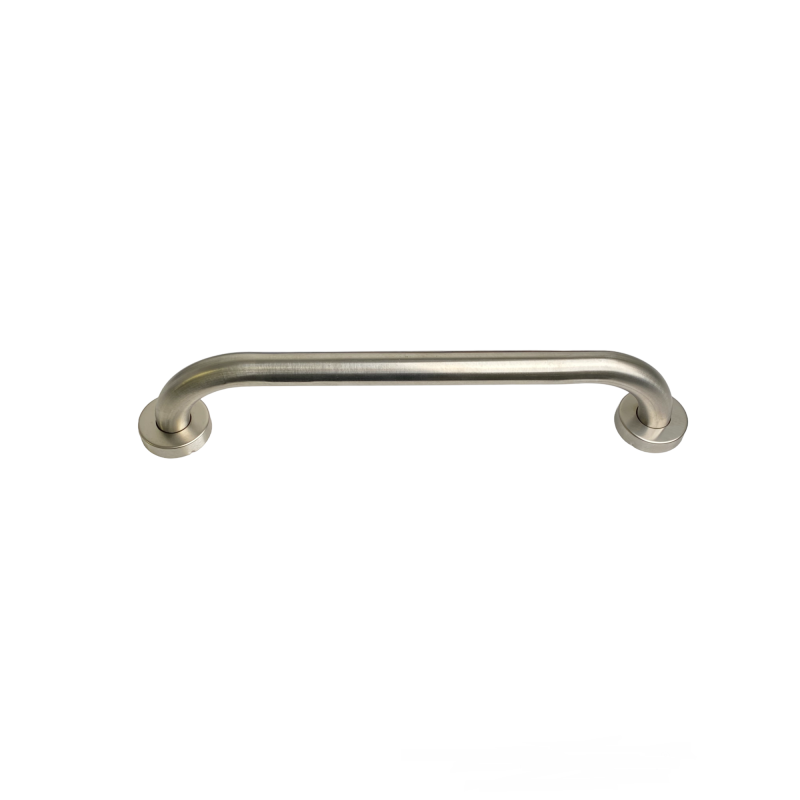
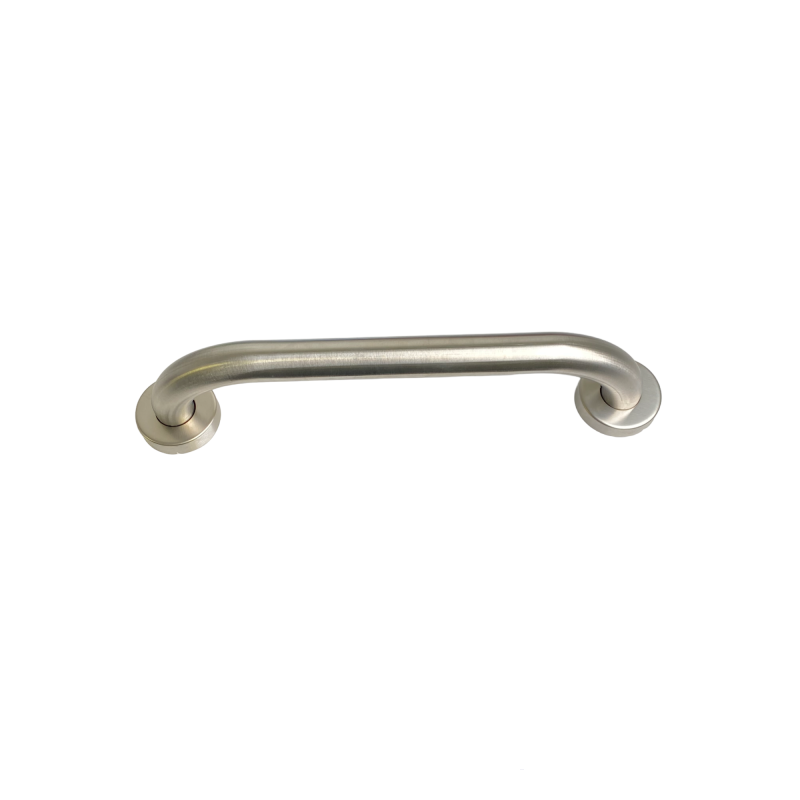
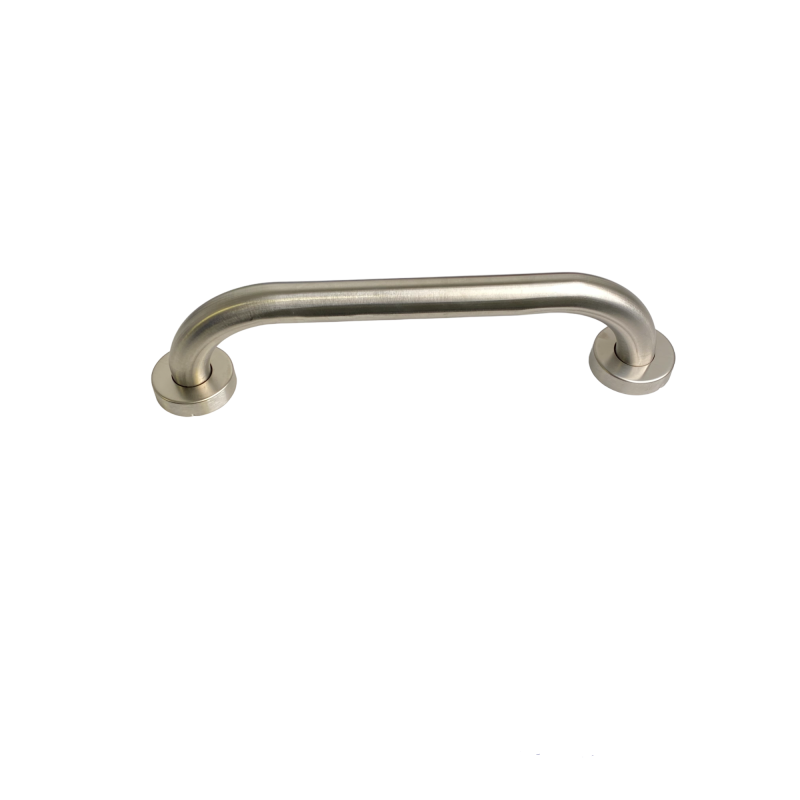
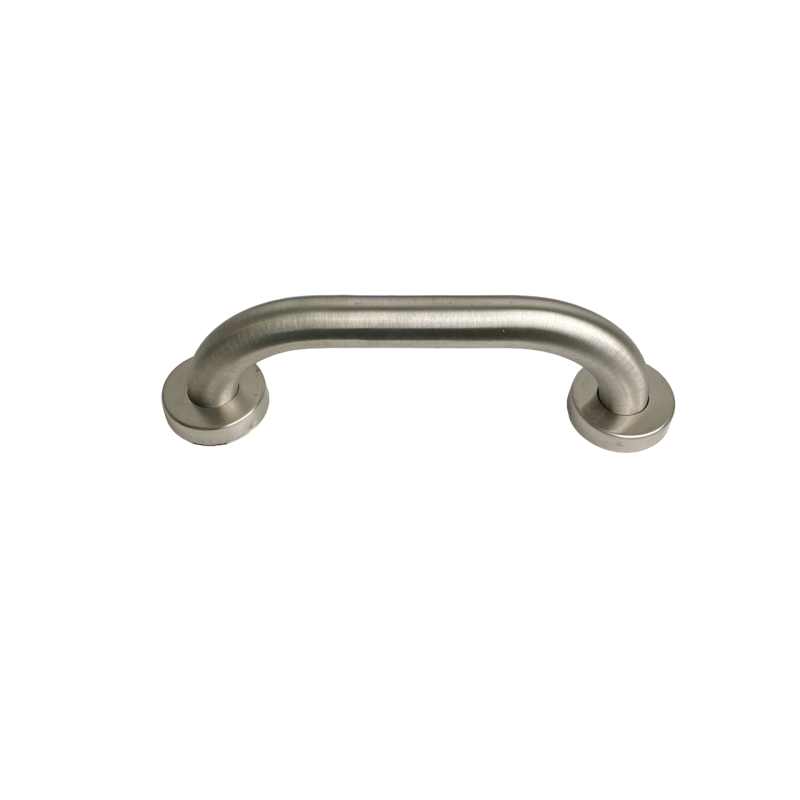
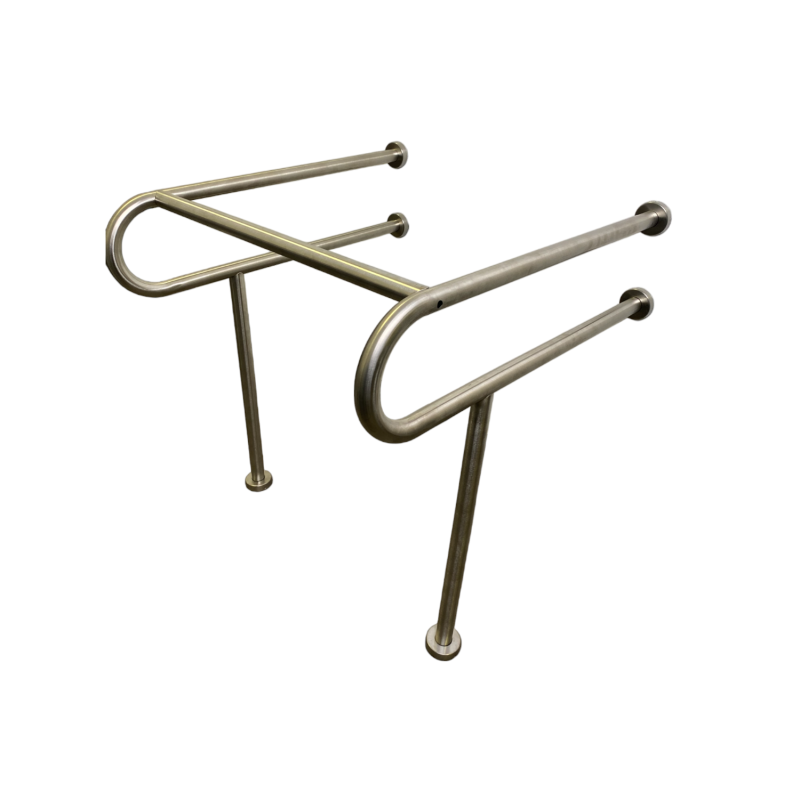
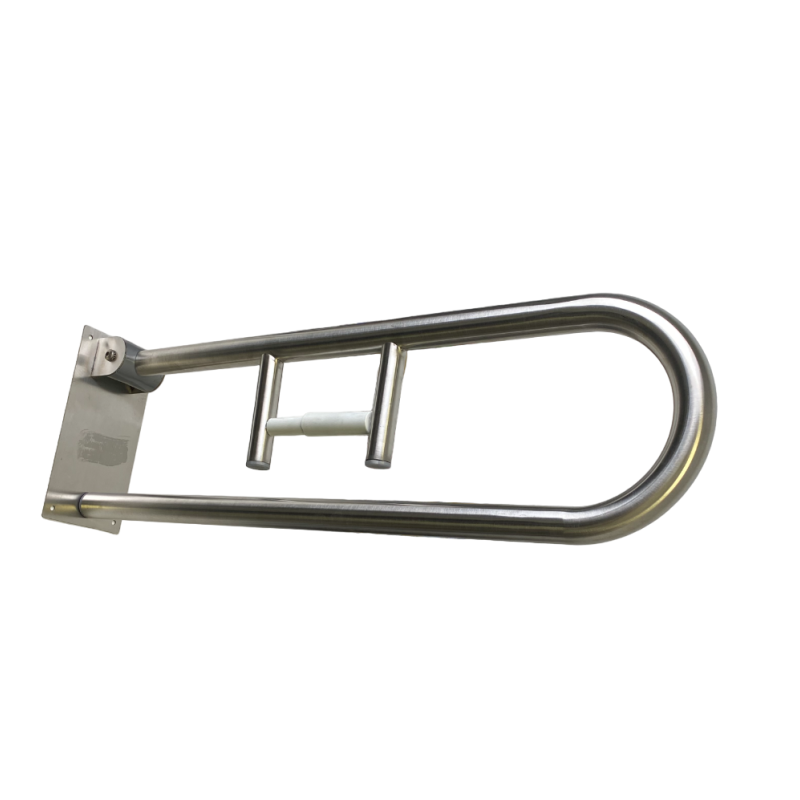
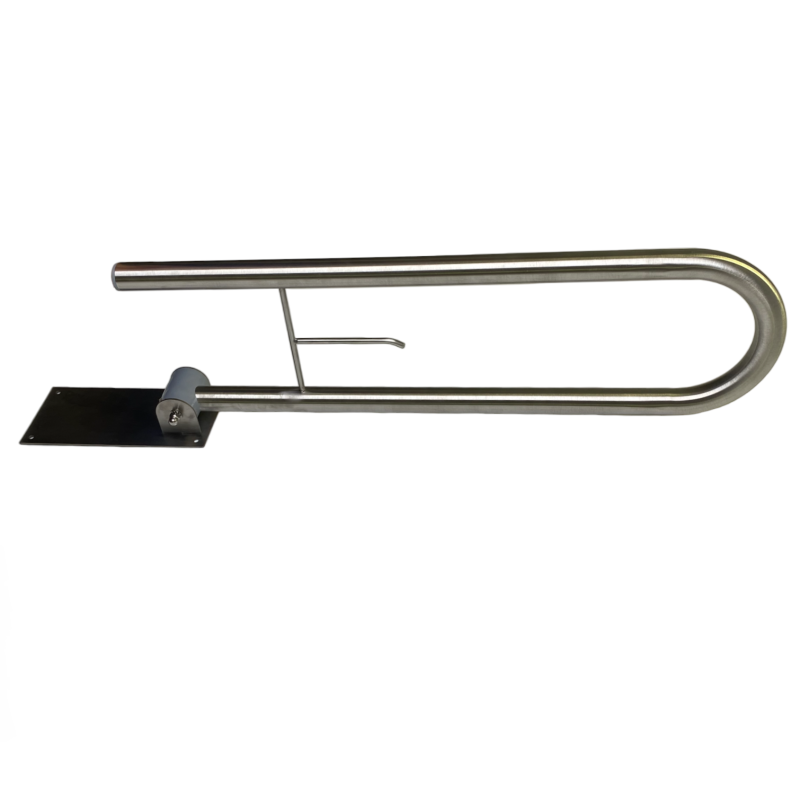
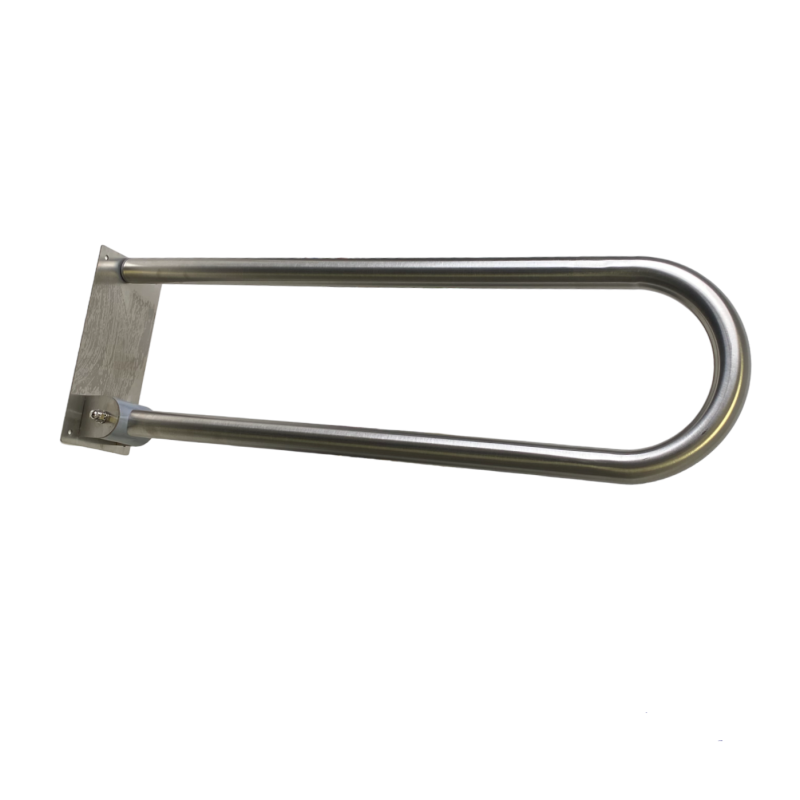
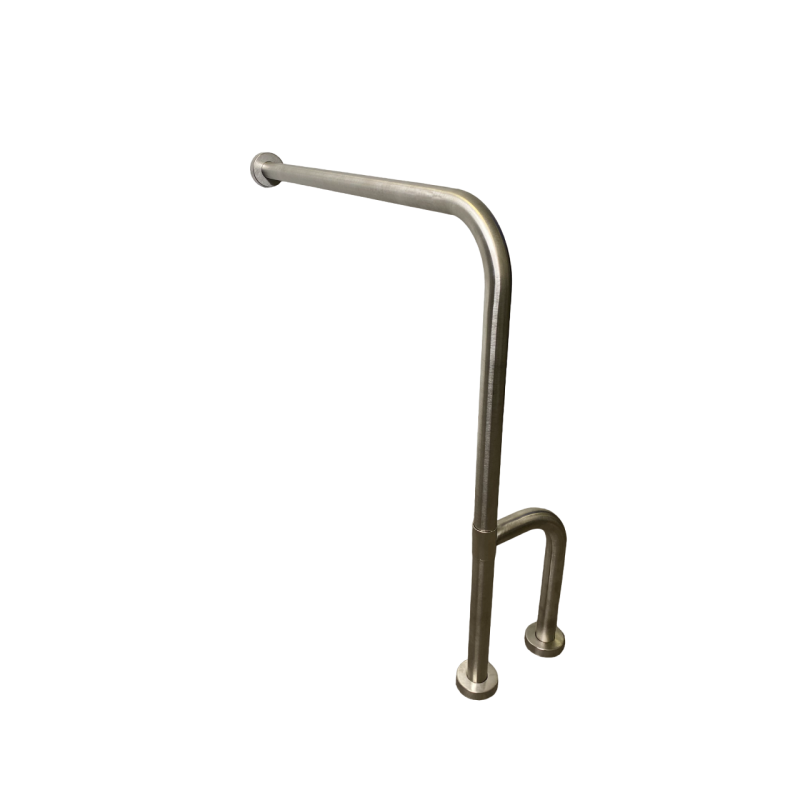
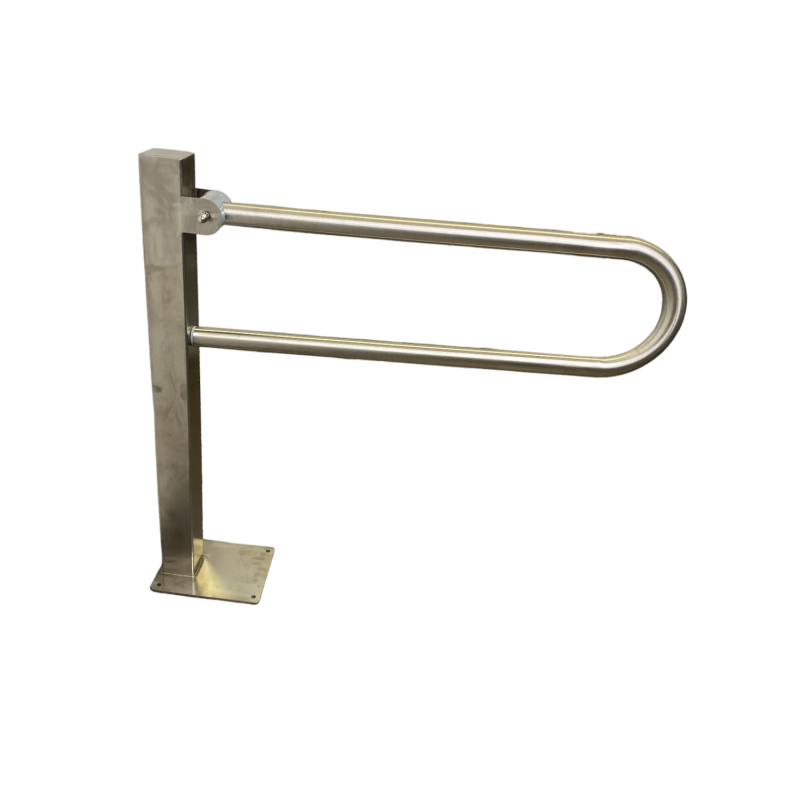
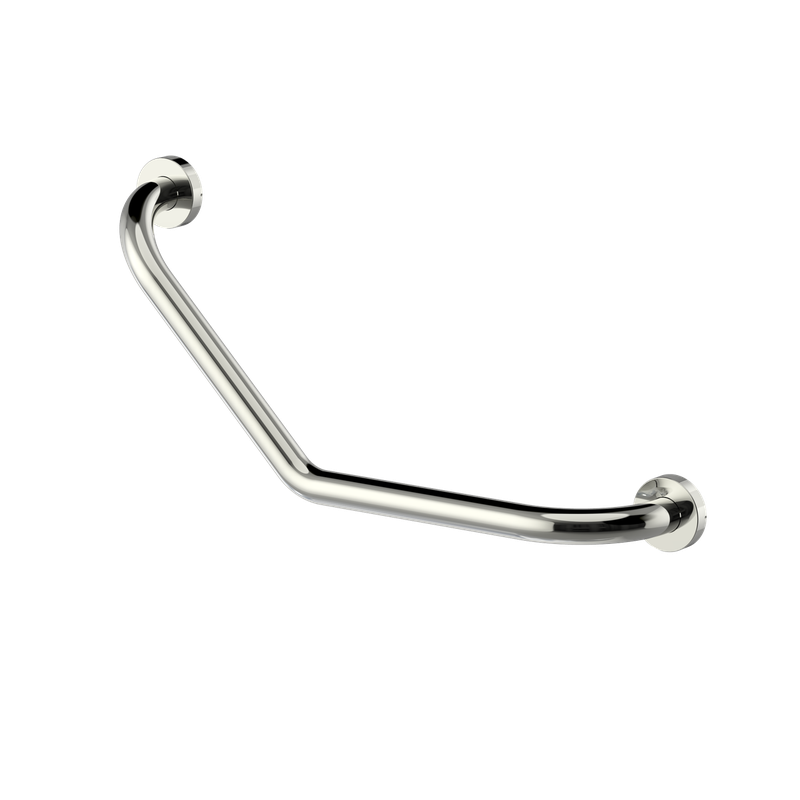
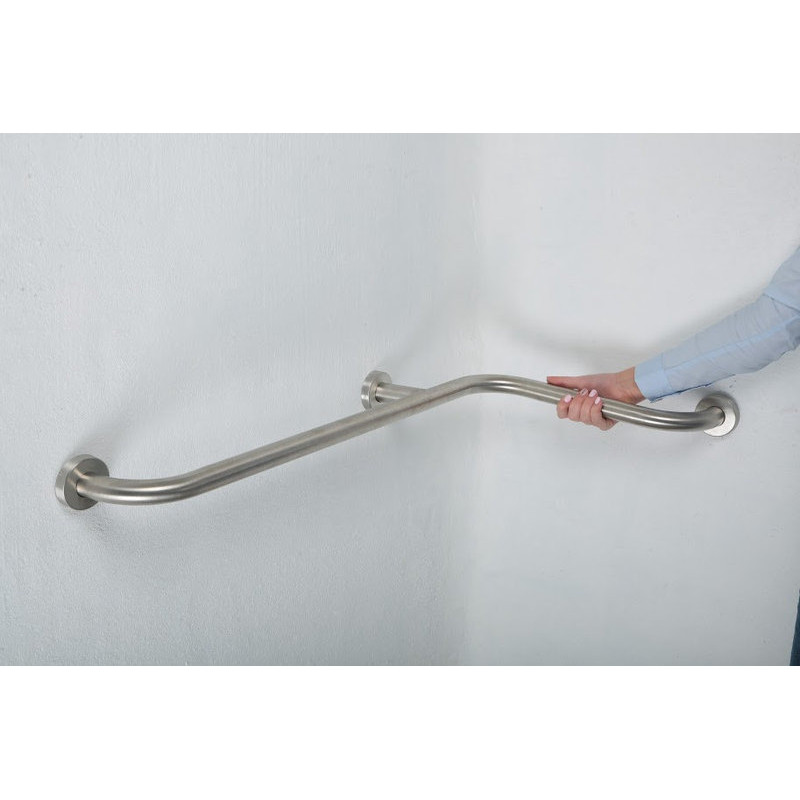
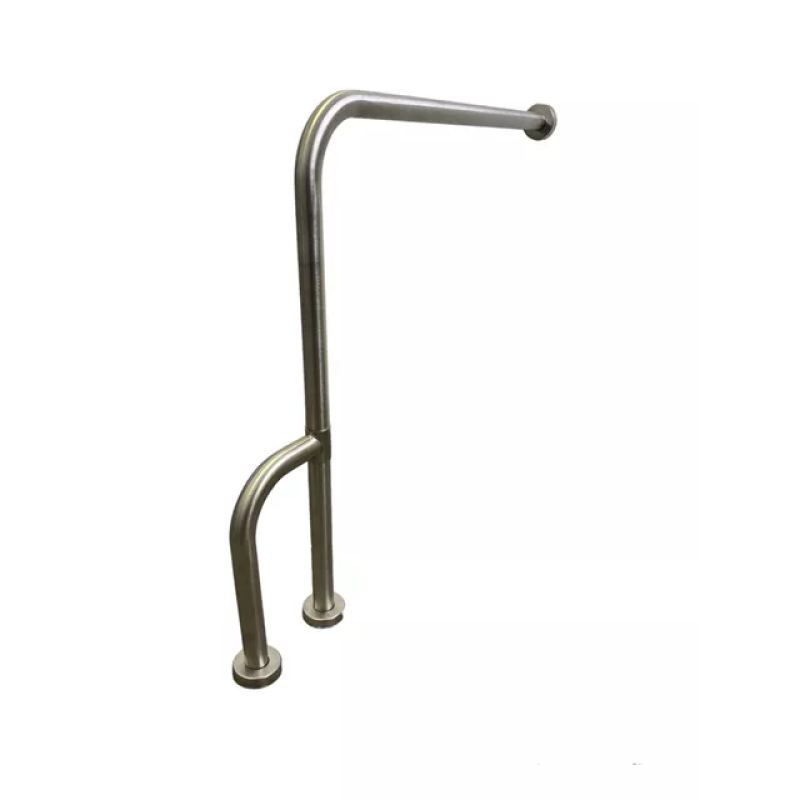
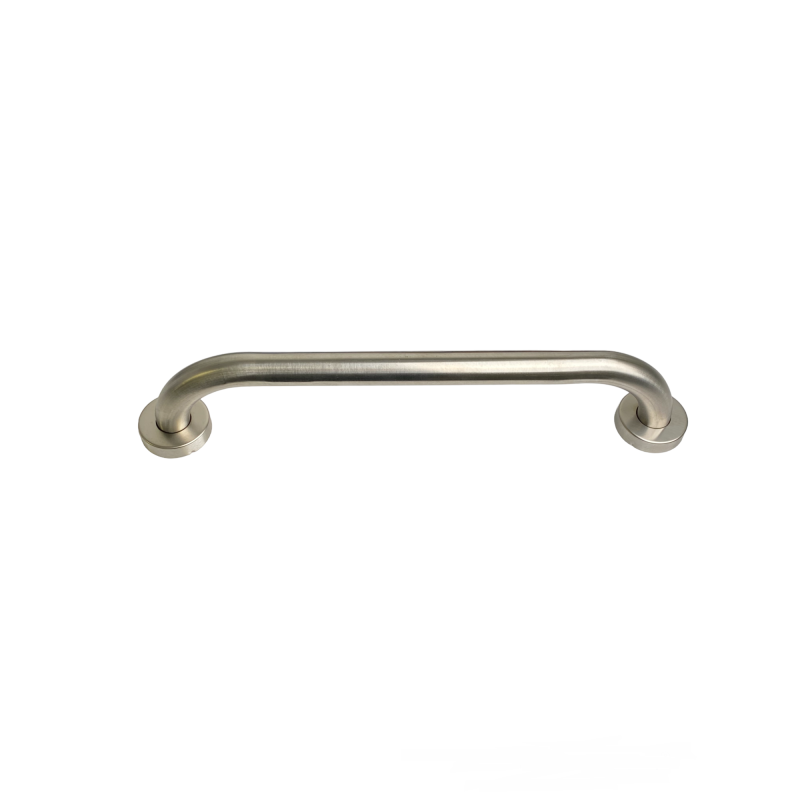
Handrails for people with disabilities are a vital element of a barrier-free environment, providing safety, stability, and comfort while moving indoors. These structures help individuals with limited mobility maintain independence in their daily lives: safely using the bathroom, toilet, stairs, corridors, and other areas of the home or public buildings. A properly selected handrail makes movement secure and daily tasks less physically demanding.
Why Handrails for the Elderly and Persons with Disabilities Are So Important
According to current data from the Social Protection Fund for Persons with Disabilities, approximately 3.4 million people with disabilities live in Ukraine–a significant portion of the population for whom housing accessibility directly impacts quality of life. Many face difficulties when standing up, turning, or maintaining balance. Grab bars for the elderly solve this problem by reducing the likelihood of falls, which often lead to fractures and prolonged rehabilitation.
Such devices provide a sense of stability: a person can lean on them, shift their body weight, and perform necessary actions independently. This is not just physical support, but also psychological comfort–confidence in one's own strength and reduced dependence on relatives or caregivers. Properly selected models promote an active lifestyle, assisting with hygiene procedures and navigating stairs. As a result, the overall level of independence increases, which is especially valuable in an urban apartment or a private house.
Regulatory Requirements for Handrail Installation in Ukraine
All supporting structures must strictly comply with state building codes. The primary document is DBN V.2.2-40:2018 "Inclusivity of Buildings and Structures" (including 2024–2025 amendments). According to these regulations, the diameter of the handrail should be 35–45 mm for a comfortable grip, and the minimum distance from the wall must be 40 mm to avoid finger injuries.
For stairs and ramps, two height levels are mandatory: 70 cm and 90 cm (with an additional 50 cm level in childcare facilities). The ends of the handrails must extend horizontally for 30 cm beyond the flight of stairs and have rounded edges. In bathrooms, horizontal elements are placed at a height of 80–90 cm from the floor, while fold-down models are installed considering the height of the toilet (usually 70–80 cm from the seat). These parameters ensure ergonomics for people of different heights and builds, as well as compliance with safety and hygiene requirements. Non-compliance with these standards can lead to fines during inspections and, most importantly, health risks for users.
Main Types of Handrails for People with Limited Mobility
Modern support structures vary in shape, mounting method, and functionality. This allows for the selection of the optimal solution for various operating conditions.
Stationary Wall-Mounted Models
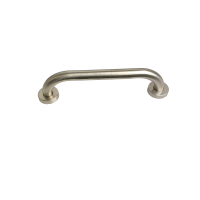
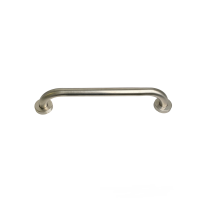
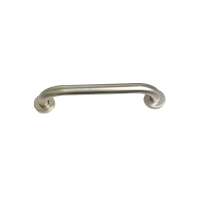
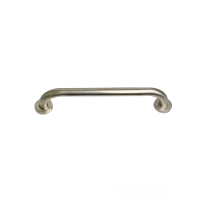
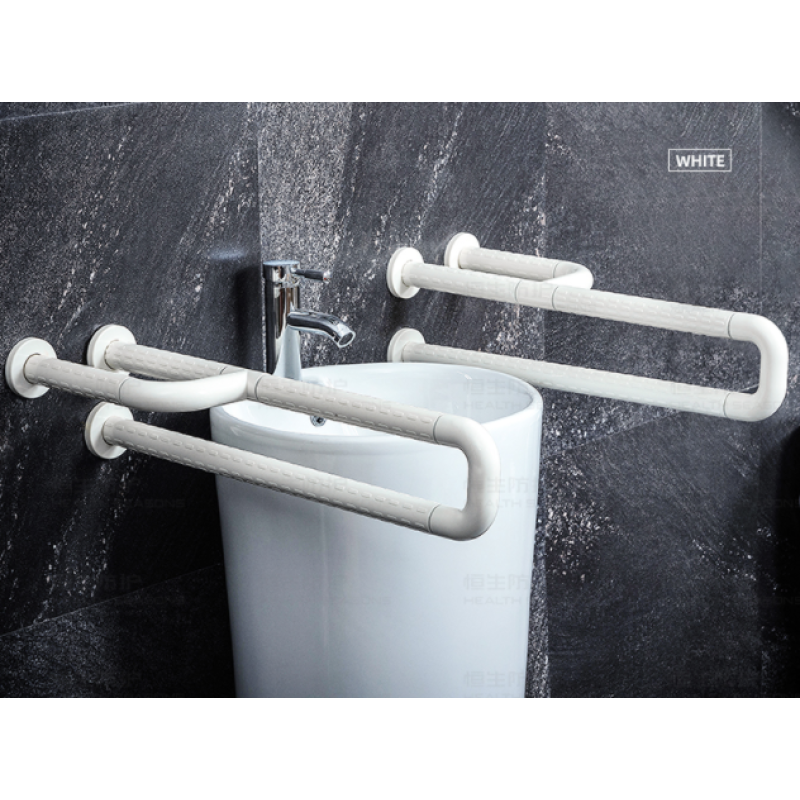
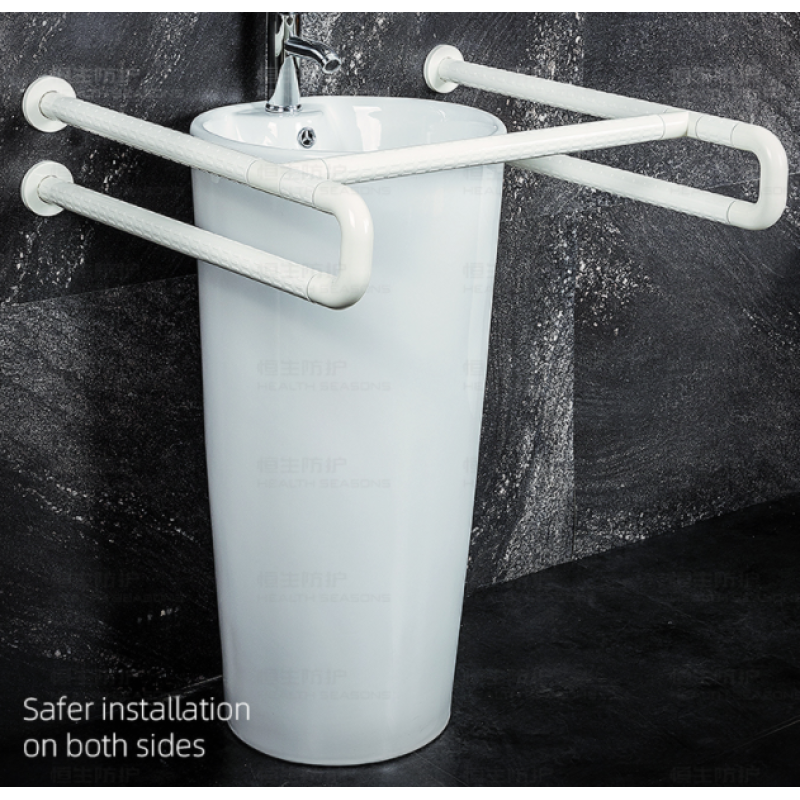
A classic option that attaches directly to the wall. These railings for the disabled are highly durable and designed for significant loads. They are most often installed near the toilet, sink, or in the shower area.
Fold-Down (Swing-Up) Handrails
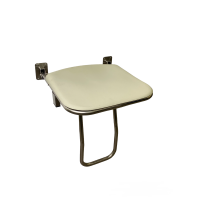
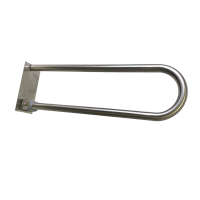
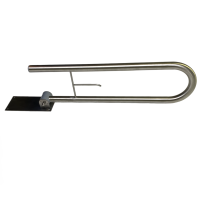
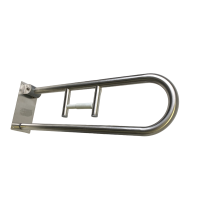
Structures with a hinged mechanism can be lifted up when not in use. This is particularly convenient in small rooms where saving space is crucial.
Corner and Combined Structures
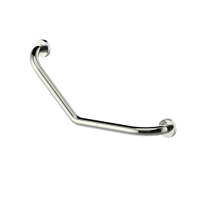
Used to create multiple points of support simultaneously. They help a person maintain stability while changing body position.
Bathtub and Shower Handrails
Specialized bathroom grab bars for the disabled feature anti-corrosion coatings and non-slip surfaces, making them safe for use in humid environments.
Materials and Reliability Requirements
Handrails fall under the category of medical and sanitary equipment, so they are subject to increased requirements for strength and durability.
The most common materials include:
- Stainless steel – resistant to corrosion, withstands high loads;
- Aluminum alloys – lightweight and durable;
- Plastic coatings – improve grip and prevent hands from slipping.
High-quality handrails for people with disabilities feature an ergonomic shape, a smooth surface without sharp elements, and a reliable fastening system. Most models are designed for long-term operation in high-humidity conditions.
Why Buy Handrails for People with Disabilities at SANSTORE?
In the SANSTORE online store, you can purchase stainless steel handrails for the disabled that fully comply with inclusivity standards. Our catalog features both budget-friendly solutions for the home and reinforced structures for shopping centers and hospitals.
Our advantages:
- Fair and competitive prices.
- Large inventory of items in stock.
- Stainless steel handrails (AISI 304) resistant to antiseptic treatment.
- Fast shipping across Kyiv and throughout Ukraine.
Place an order through the shopping cart or give us a call – SANSTORE experts will help you calculate the required number of support elements for your project.