.svg)

.svg)


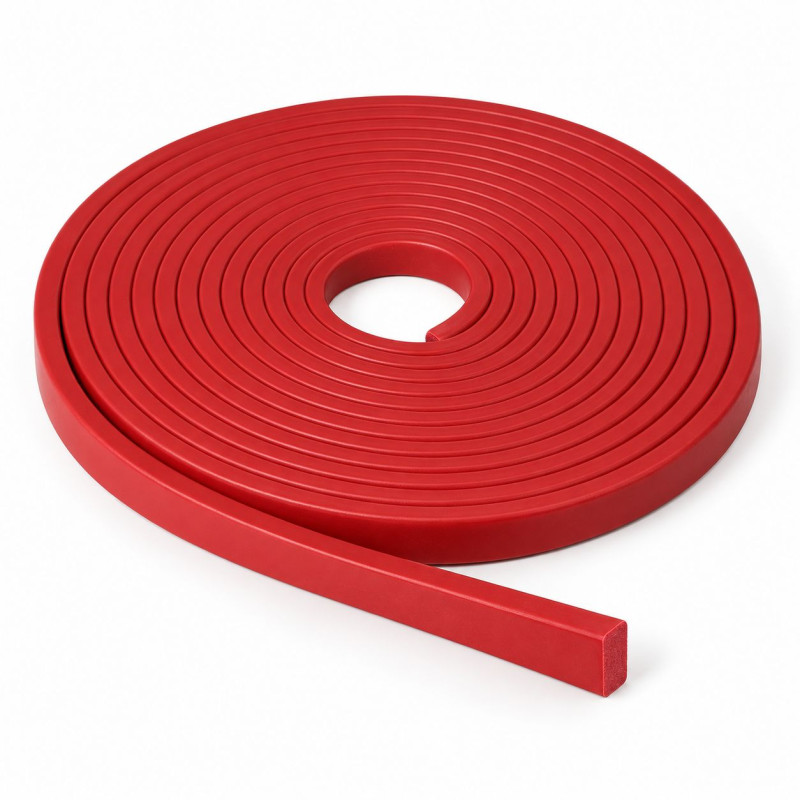
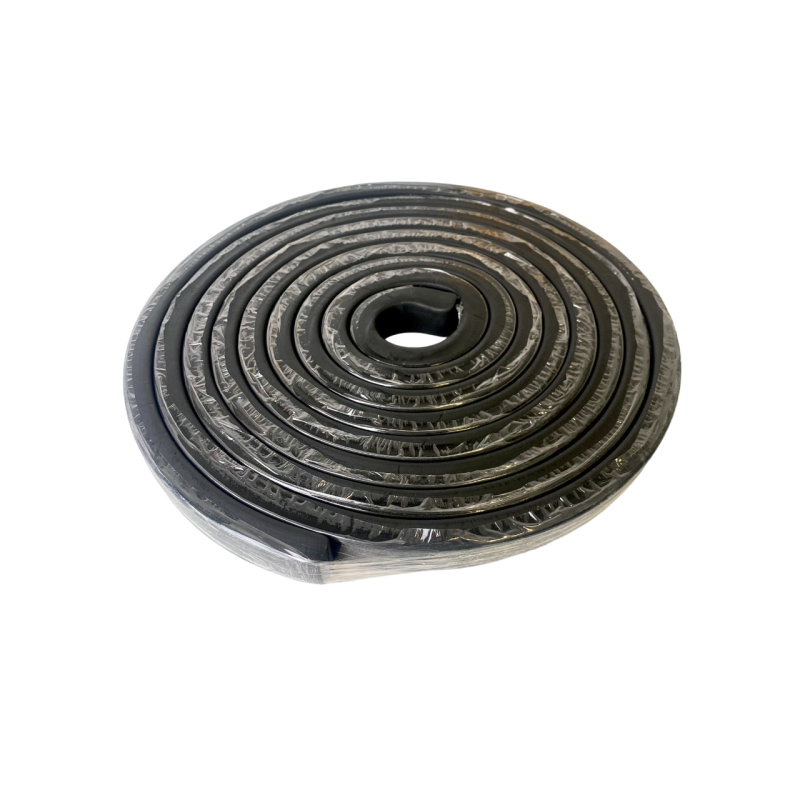
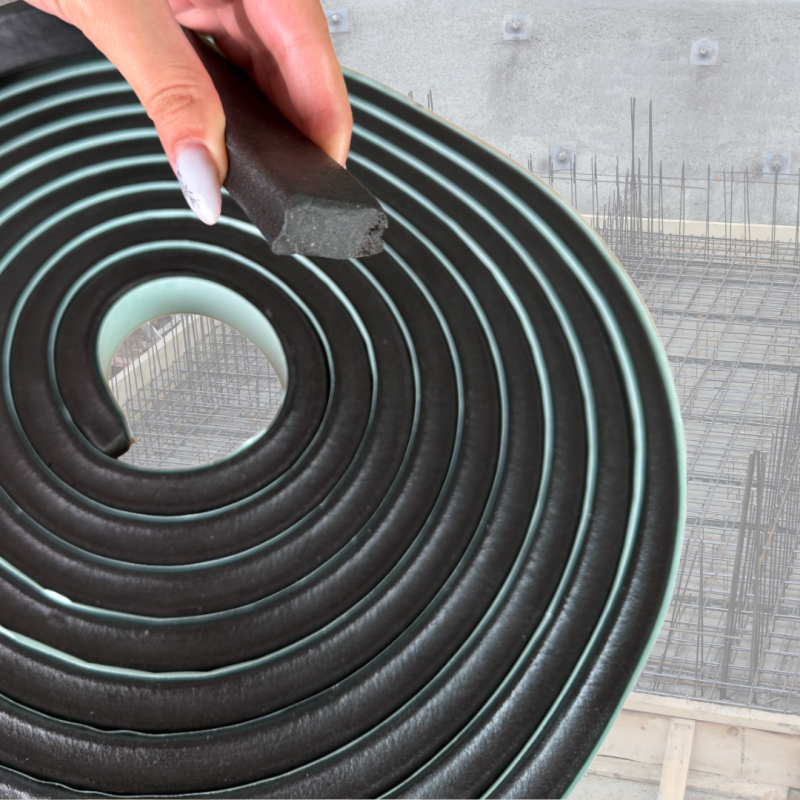
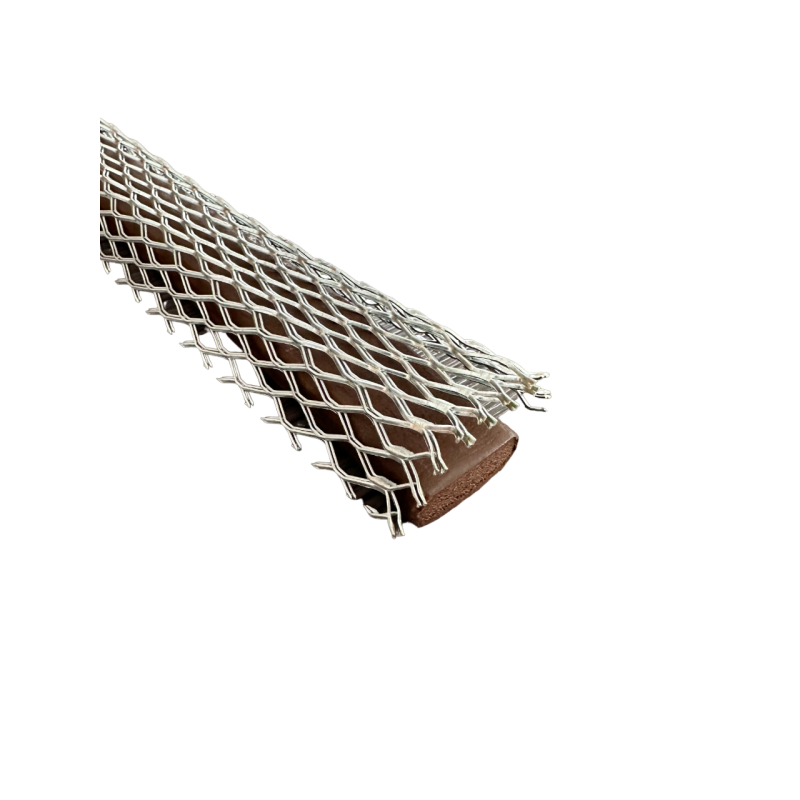
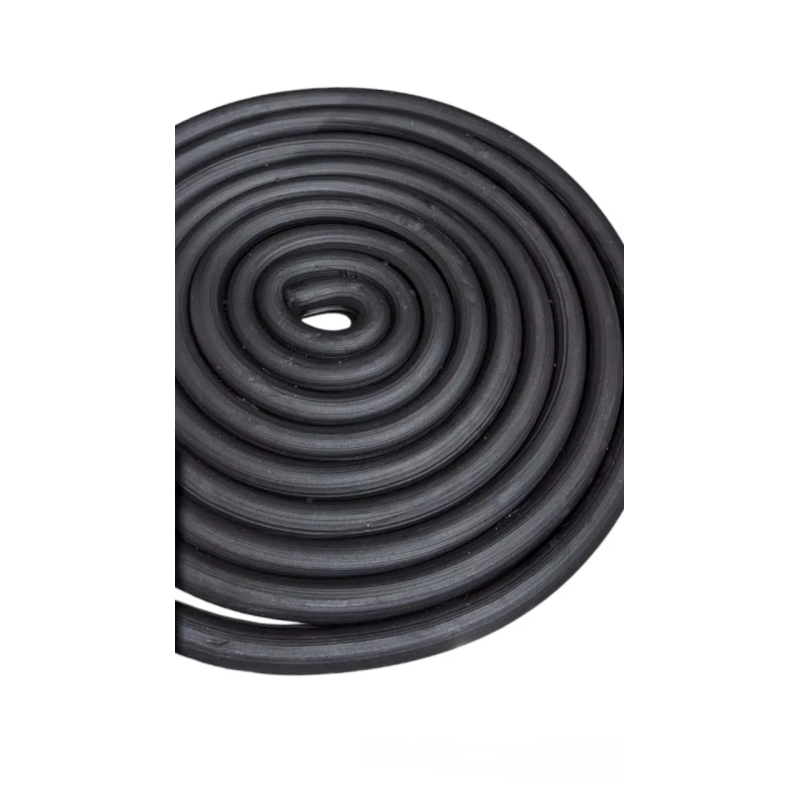
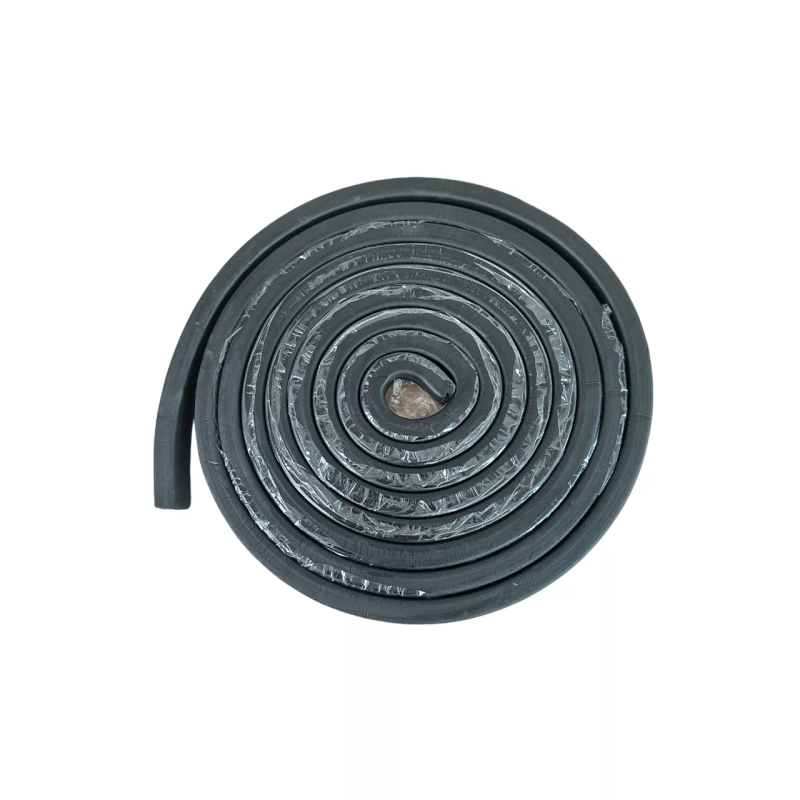
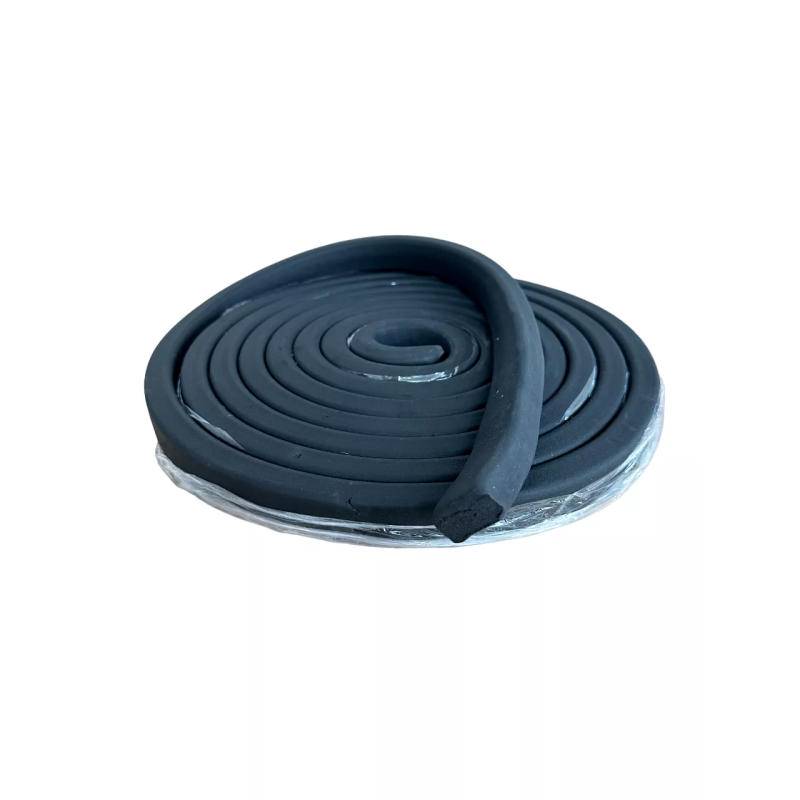
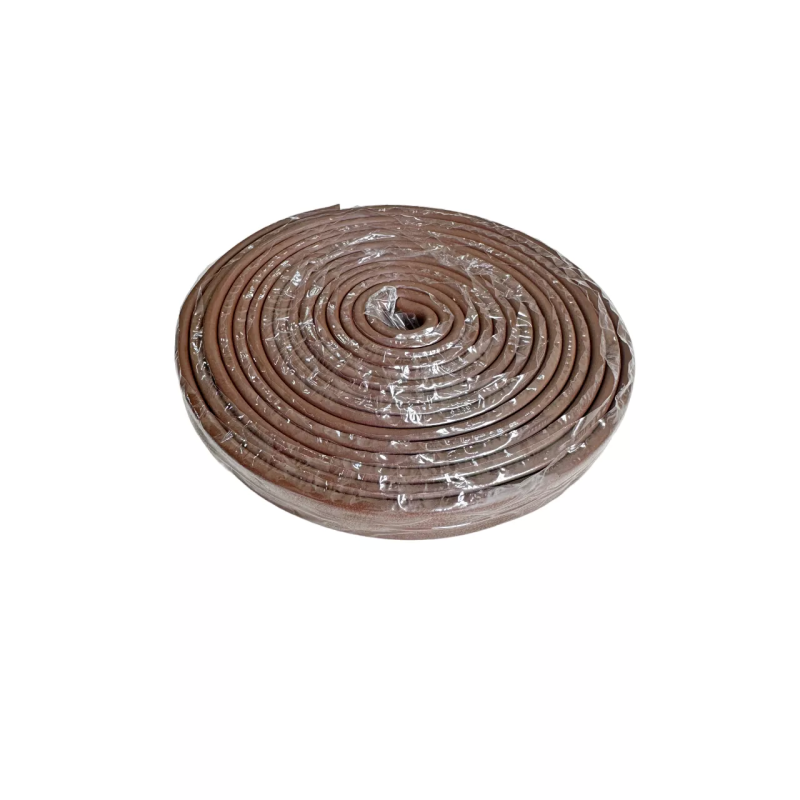
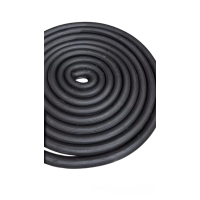
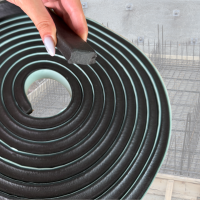
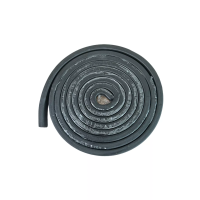
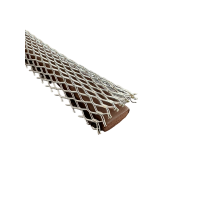
Bentonite waterstop (bentonite cord) is a specialized waterproofing sealing profile made from sodium bentonite–a natural clay with high swelling capacity. It is produced as a flexible strip of various cross-sections that is easily installed into construction joints.
The material's operating principle is based on the unique properties of bentonite. Upon contact with moisture, bentonite waterstops can expand several times their original volume. As they swell, they tightly fill micropores, cracks, and voids in the concrete contact zone, creating a reliable watertight barrier. This mechanism makes the material particularly effective for waterproofing structures in constant contact with groundwater.
Where is bentonite waterstop applied?
Hydrophobic bentonite strips are widely used in various construction projects requiring the protection of concrete elements from moisture penetration.
The most common areas of application include:
- sealing of cold construction joints;
- waterproofing of foundation slab joints;
- protection of wall-to-base connections;
- insulation of utility penetrations (pipe entries);
- waterproofing of underground parking lots and technical rooms;
- construction of reservoirs, wells, and water treatment facilities.
The use of bentonite waterstops significantly increases the durability of reinforced concrete structures and reduces the risk of leaks during the building's operation.
Advantages of swelling bentonite cord
Modern swelling bentonite cord possesses a range of technical advantages that have made it a standard in construction joint waterproofing systems.
Key benefits include:
- high swelling capacity upon contact with water;
- reliable sealing of microcracks and concrete capillaries;
- resistance to groundwater effects;
- ease of installation without the need for complex equipment;
- durability and stability of properties;
- environmental safety of the material.
Furthermore, this material maintains its performance across a wide temperature range, which is particularly important for the climatic conditions of Ukraine.
Installation features of waterproofing cord
To achieve maximum efficiency, it is crucial to follow the installation technology. The bentonite cord is installed on a cleaned concrete surface before pouring the next layer of concrete.
Key installation stages:
- Cleaning the substrate from dust, dirt, and mortar residue.
- Fixing the cord along the construction joint line using adhesive, sealant, or mechanical fasteners.
- Ensuring continuous installation without gaps.
- Subsequent concrete pouring.
A correctly installed bentonite strip expands in volume after contact with water and reliably seals the structural joint.
How to choose and buy bentonite waterstop?
Before purchasing bentonite cord, it is recommended to consider the operating conditions, water pressure, and dimensions of the construction joint, as well as:
- the percentage of sodium bentonite content;
- the swelling coefficient;
- profile dimensions;
- resistance to chemical influences;
- compliance with construction standards.
Depending on the task, products of various cross-sections and densities are used.
High-quality bentonite waterstops are an effective solution for protecting building structures from water. Their application enhances the reliability of waterproofing, extends the lifespan of buildings, and helps avoid costly repairs in the future.