.svg)

.svg)


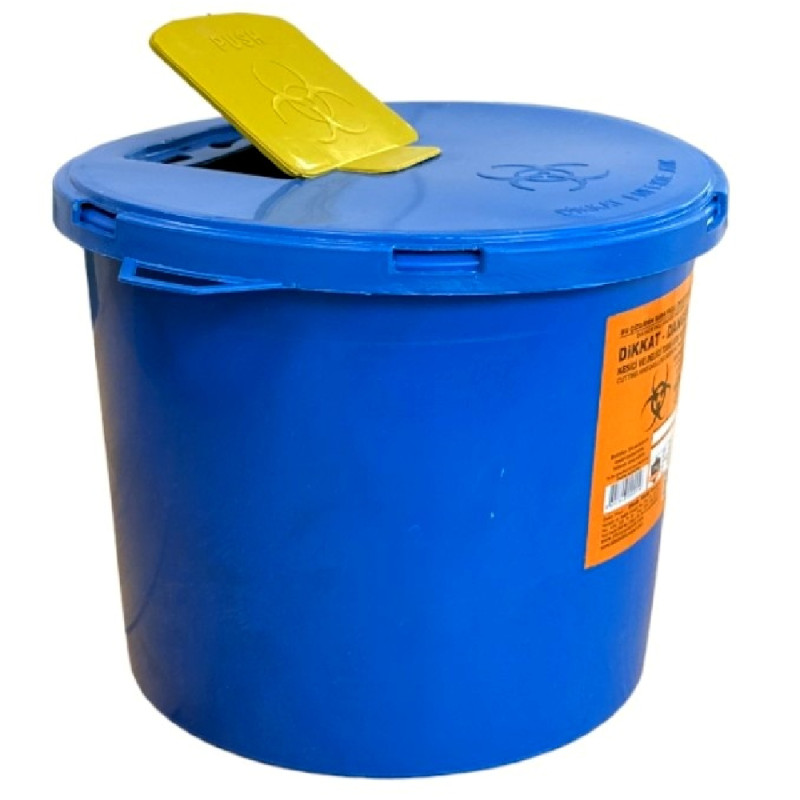
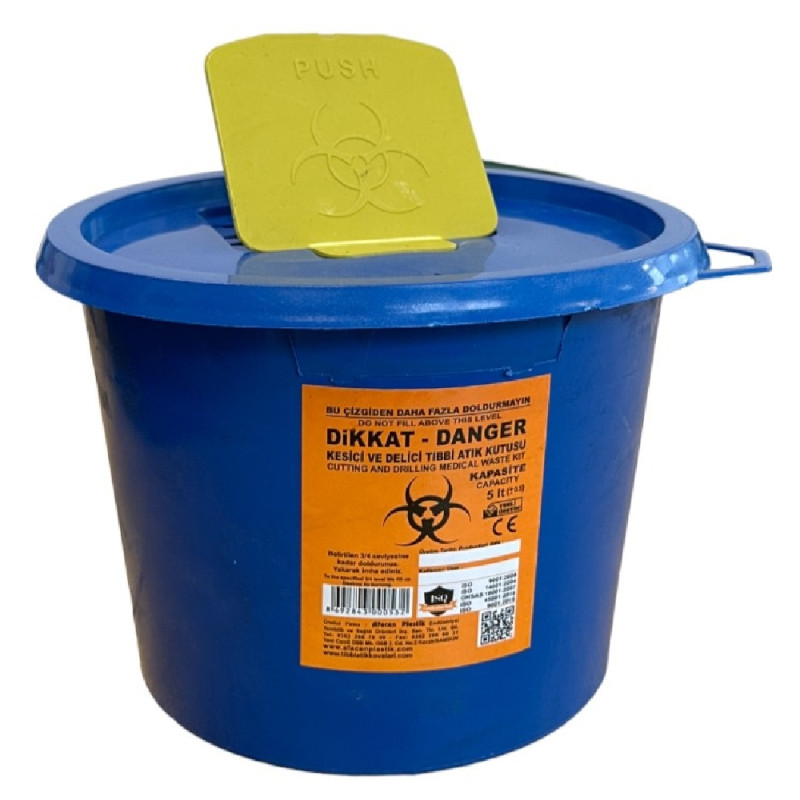
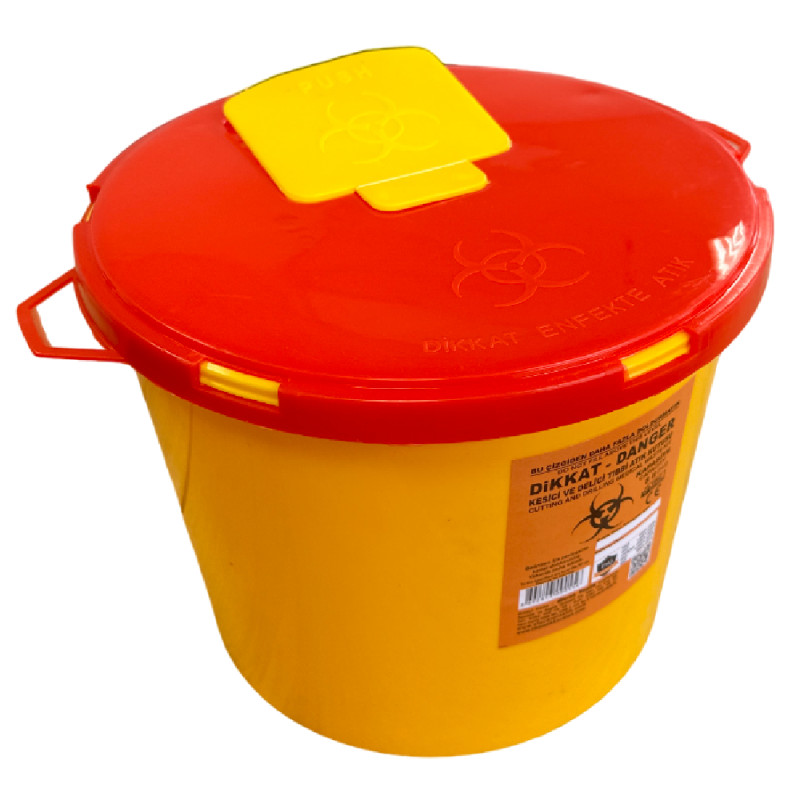
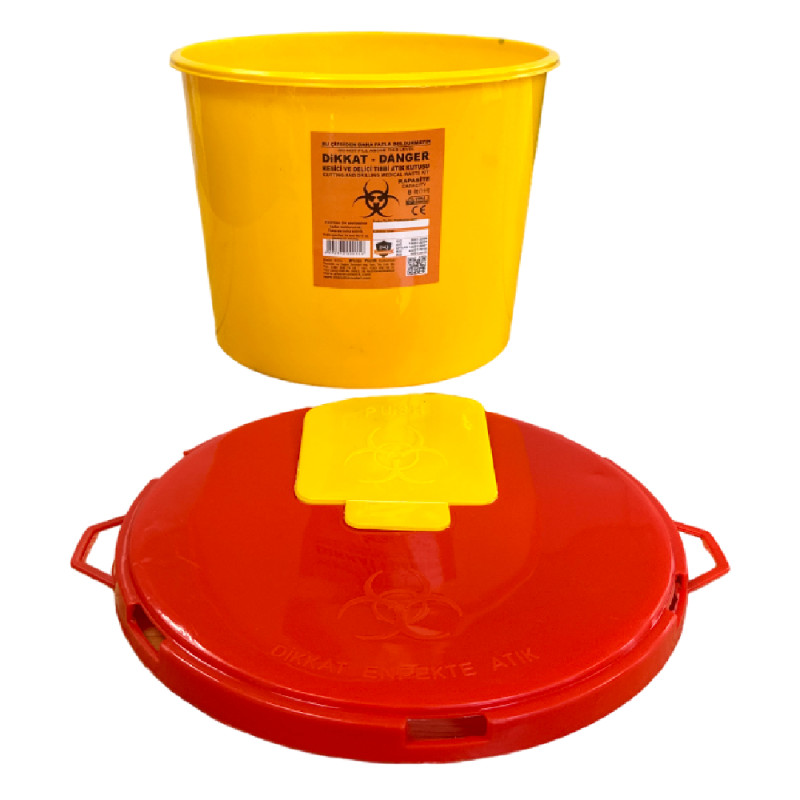
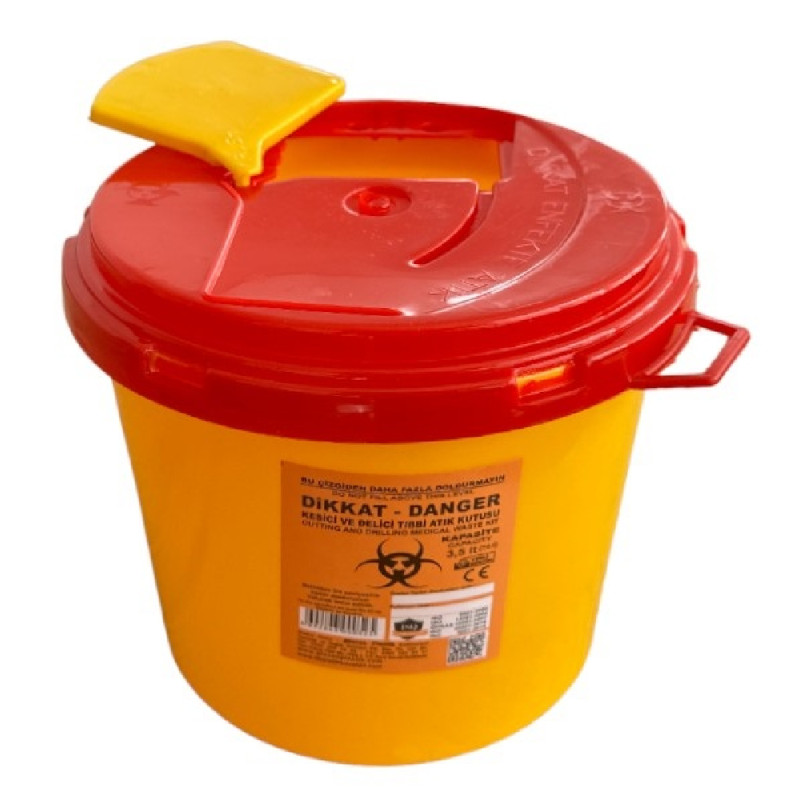
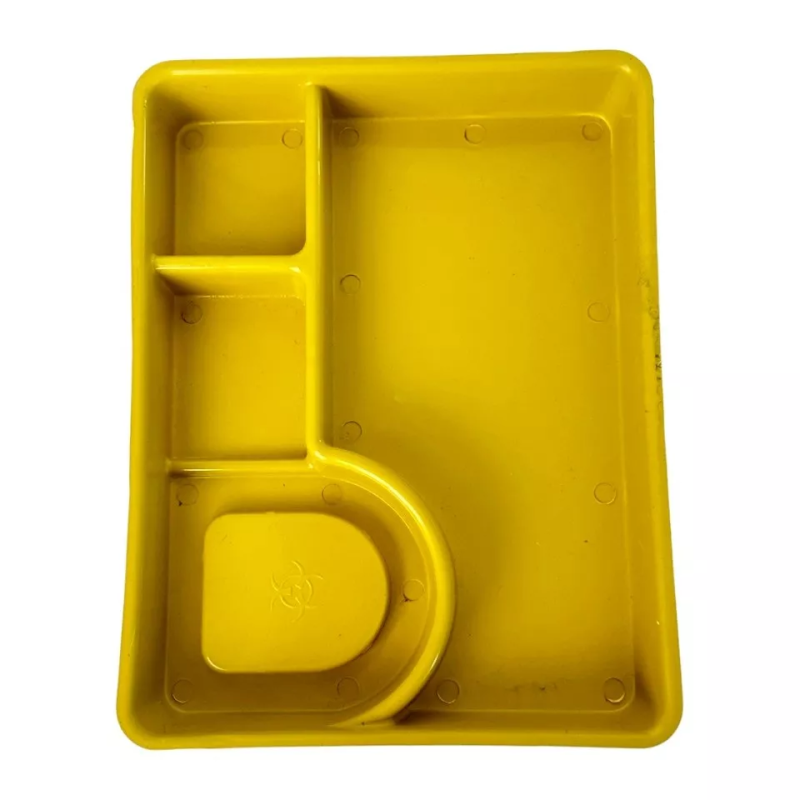
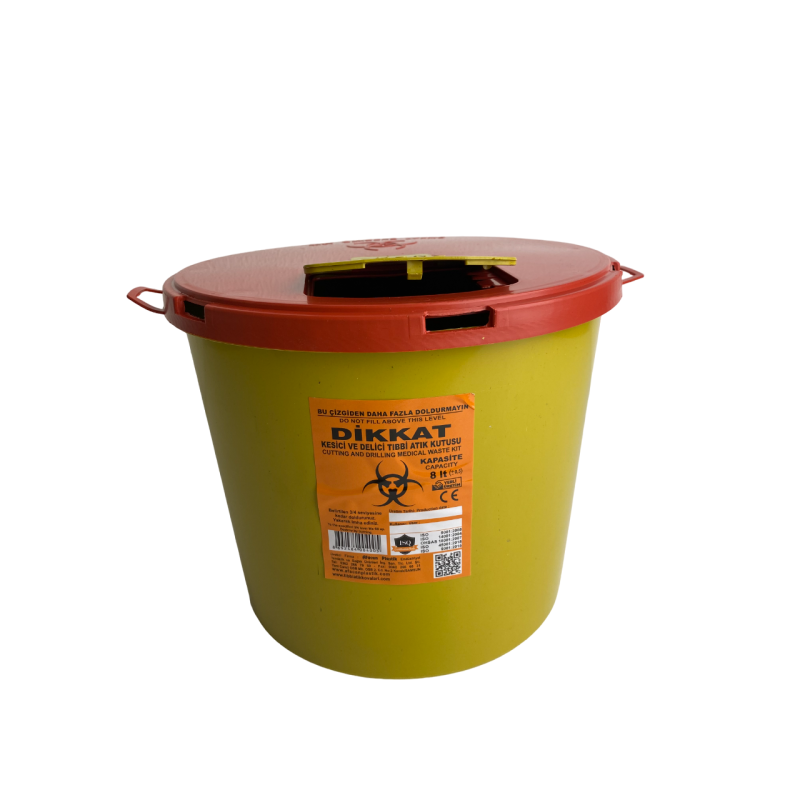
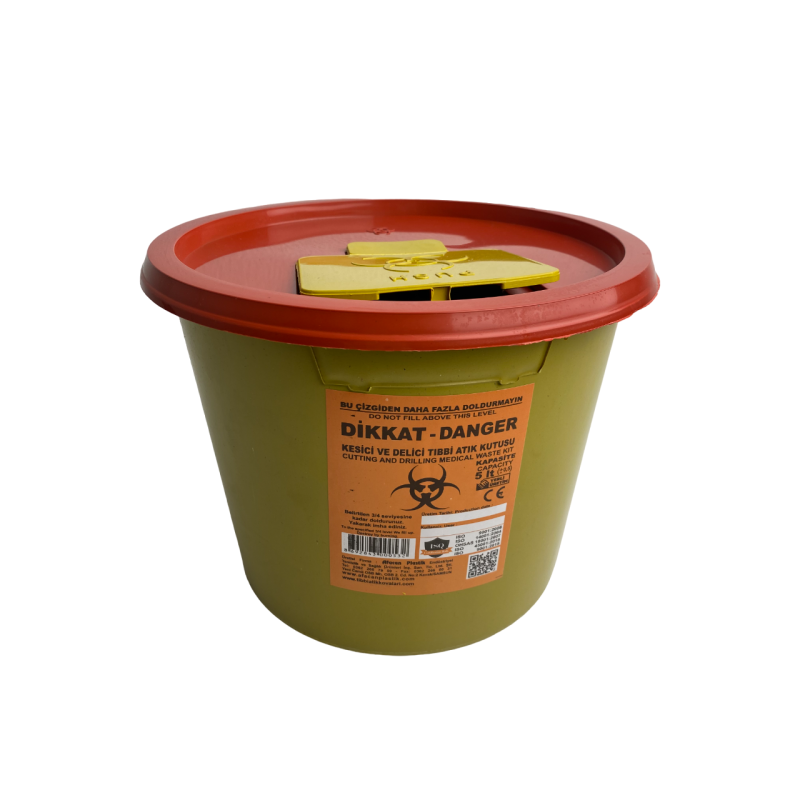
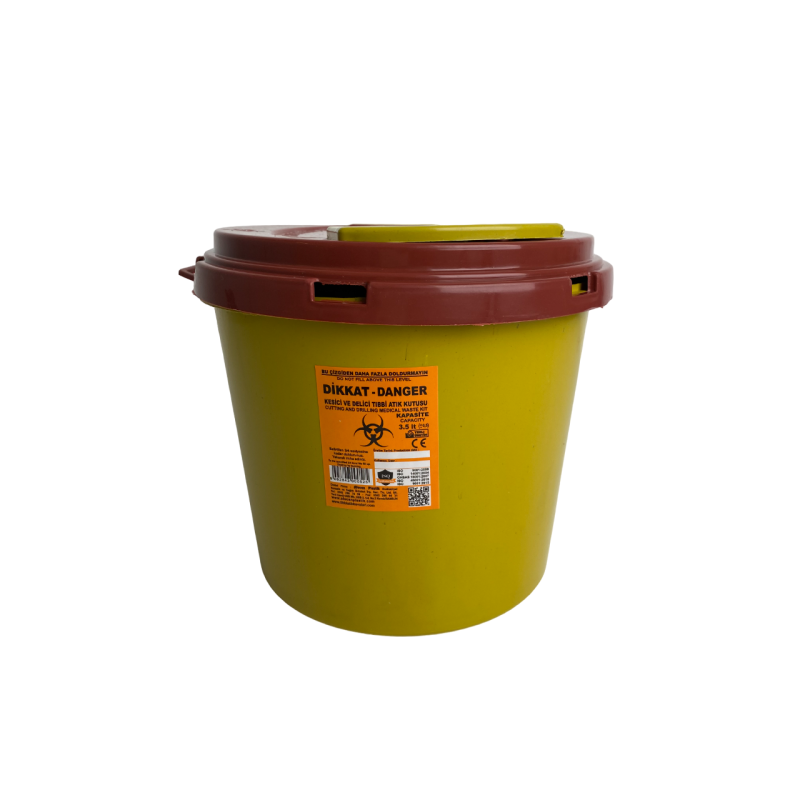
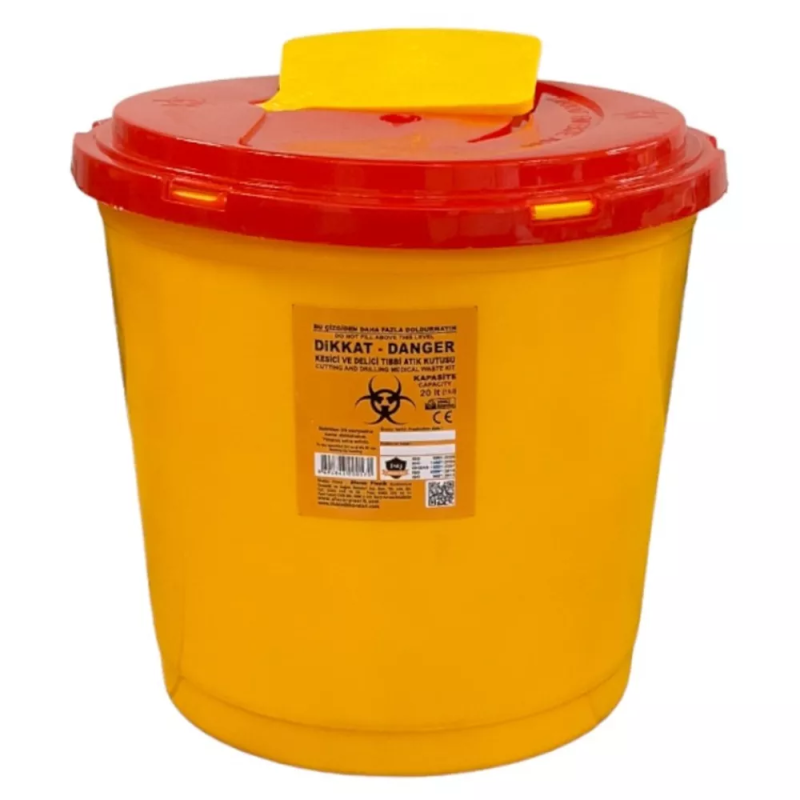
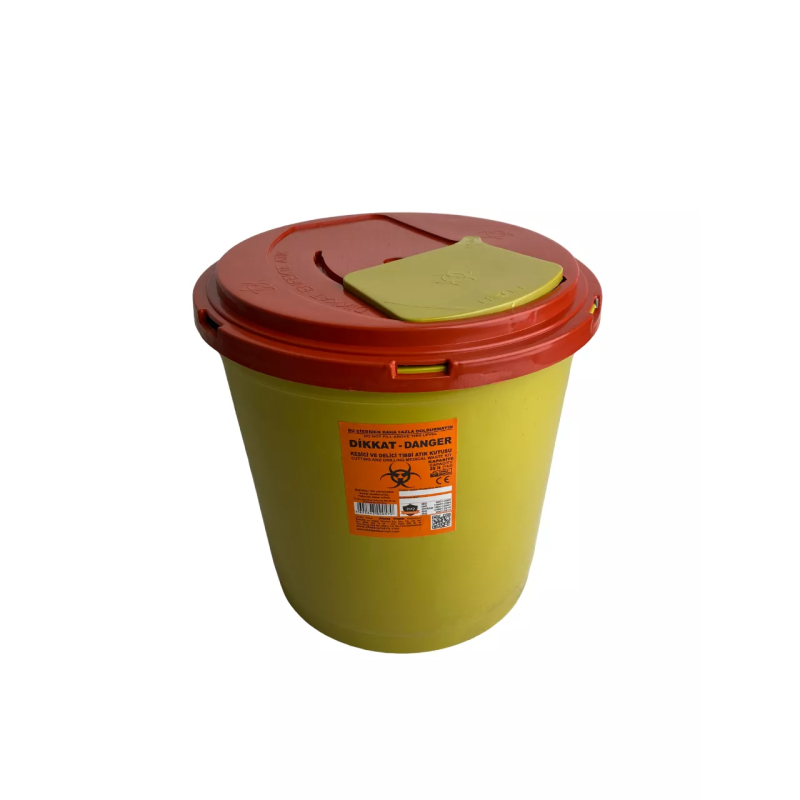
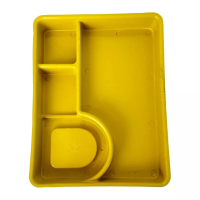
Medical waste containers are specialized receptacles designed for the safe collection, temporary storage, and transportation of potentially hazardous materials generated in medical institutions, laboratories, dental clinics, veterinary offices, and beauty centers.
Proper organization of waste management is an essential prerequisite for sanitary and epidemiological safety. This helps prevent the spread of infections, injuries to personnel, and environmental pollution.
According to the Order of the Ministry of Health of Ukraine No. 325 dated 31.12.2019 "On Approval of State Sanitary Norms and Rules 'Management of Medical Waste'", all waste must be collected, stored, and disposed of strictly in accordance with its hazard class. The use of specialized containers is not a recommendation, but a mandatory legal requirement.
Why are specialized medical waste containers necessary?
Medical waste may contain biohazardous materials: blood, tissues, used instruments, needles, dressings, and other potentially infected items. Improper handling increases the risk of infection for staff and patients, as well as environmental contamination.
Professional medical waste containers possess the following characteristics: resistance to punctures and mechanical damage, airtightness and leak protection, a tightly closing lid with a locking mechanism, resistance to disinfectant solutions, color coding by hazard class, and compliance with sanitary and environmental standards.
Classification and marking of containers by waste classes
Ukrainian legislation divides medical waste into four classes. Each class corresponds to a specific container color.
- Class A – White color. Non-hazardous (household) waste: packaging, paper, food scraps, non-medical trash.
- Class B – Yellow color. Potentially infectious waste: needles, scalpels, gloves, dressings that have come into contact with blood.
- Class V – Red color. High-risk waste: materials from infectious disease wards, surgical waste, pathological materials.
- Class G – Black color. Toxic (chemical) waste: expired medicines, mercury-containing devices, disinfectants.
Main types of medical waste containers
Modern medical waste containers vary in design, volume, and purpose. The choice of a specific model depends on the waste category and the conditions of its further disposal.
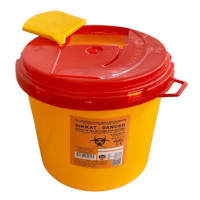
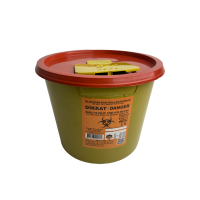
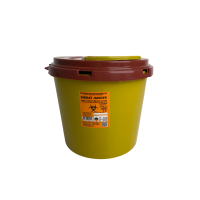
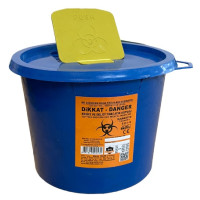
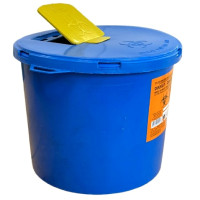
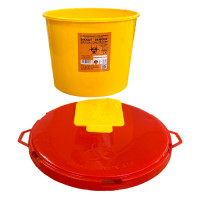
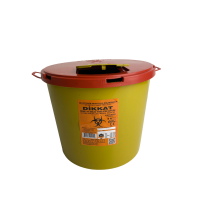
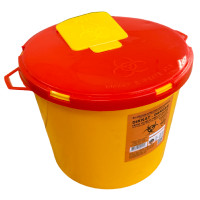
- Sharps containers. Designed for the safe collection of needles, scalpels, blades, and other piercing or cutting instruments. They feature puncture-resistant walls, a built-in needle remover, and a final lid locking system.
- Biohazardous waste containers. Used for collecting dressings, gloves, and disposable items that have been in contact with biological fluids. Equipped with a hermetic lid and a lock.
- Liquid waste containers. Intended for blood, solutions, and other biological fluids. Equipped with absorbent inserts and reinforced seals to prevent leakage.
- Containers for Class G toxic waste. Made of chemically resistant plastic that is immune to corrosion. Provided with special seals to prevent leaks of toxic substances.
- Large volume universal bins. Used for temporary storage of waste before removal. Volume ranges from 10 to 65 liters. Used in hospitals and large medical centers.
- Disposable bags and liners. Suitable for Classes A and B in small volumes. Tear-resistant and color-coded. Used as primary collection vessels.
How to choose the right container?
- By facility size. For small offices and clinics, compact models of 1–5 liters are suitable; for medium-sized institutions – 5–20 liters; for hospitals and large centers – 30–65 liters.
- By waste class. Determine which waste classes are generated in your facility (A, B, V, G) and choose containers of the corresponding color and protection level.
- By waste type. Only puncture-resistant containers with needle removers are suitable for sharps. For liquids – models with absorbents. For toxic waste – chemically resistant containers.
- By frequency of use. Disposable containers are optimal for Classes A and B in small volumes. Reusable systems are economically viable for hospitals and large institutions.
- Pay attention to the material: polypropylene is harder and more heat-resistant, tolerating autoclaving well – ideal for reusable containers. High-pressure polyethylene is more flexible and impact-resistant at low temperatures – more commonly used in disposable containers.
Why buy medical waste containers from SANSTORE?
SANSTORE offers a wide range of certified containers for all classes of medical waste. We provide fast delivery throughout Ukraine, expert consultations on choosing the optimal solution, and competitive prices. Place an order or contact our specialists – we will help you select the right containers for your facility.
Frequently Asked Questions
What containers are needed for a dental clinic?
A dental clinic generates waste of classes A, B, and partially G. You will need white bags for household waste (Class A), yellow puncture-resistant containers for needles and sharps (Class B), yellow bins for gloves and dressings (Class B), and black containers for expired drugs and disinfectants (Class G).
How to properly fill a sharps container?
The container should be filled to no more than ¾ of its volume. Once the fill line is reached, the lid is permanently locked, and the container is handed over for disposal. Opening, shaking, or transferring the contents is strictly prohibited.
What happens to the containers after they are filled?
Filled containers are temporarily stored in a designated area within the facility, then transferred to a licensed organization for decontamination and disposal. Temporary storage periods are regulated by MOH Order No. 325/2019.
Can medical containers be thrown away with regular trash?
No. It is strictly forbidden to dispose of medical waste of classes B, V, and G along with household waste. This is a violation of sanitary legislation, which entails administrative liability.