
.svg)

.svg)


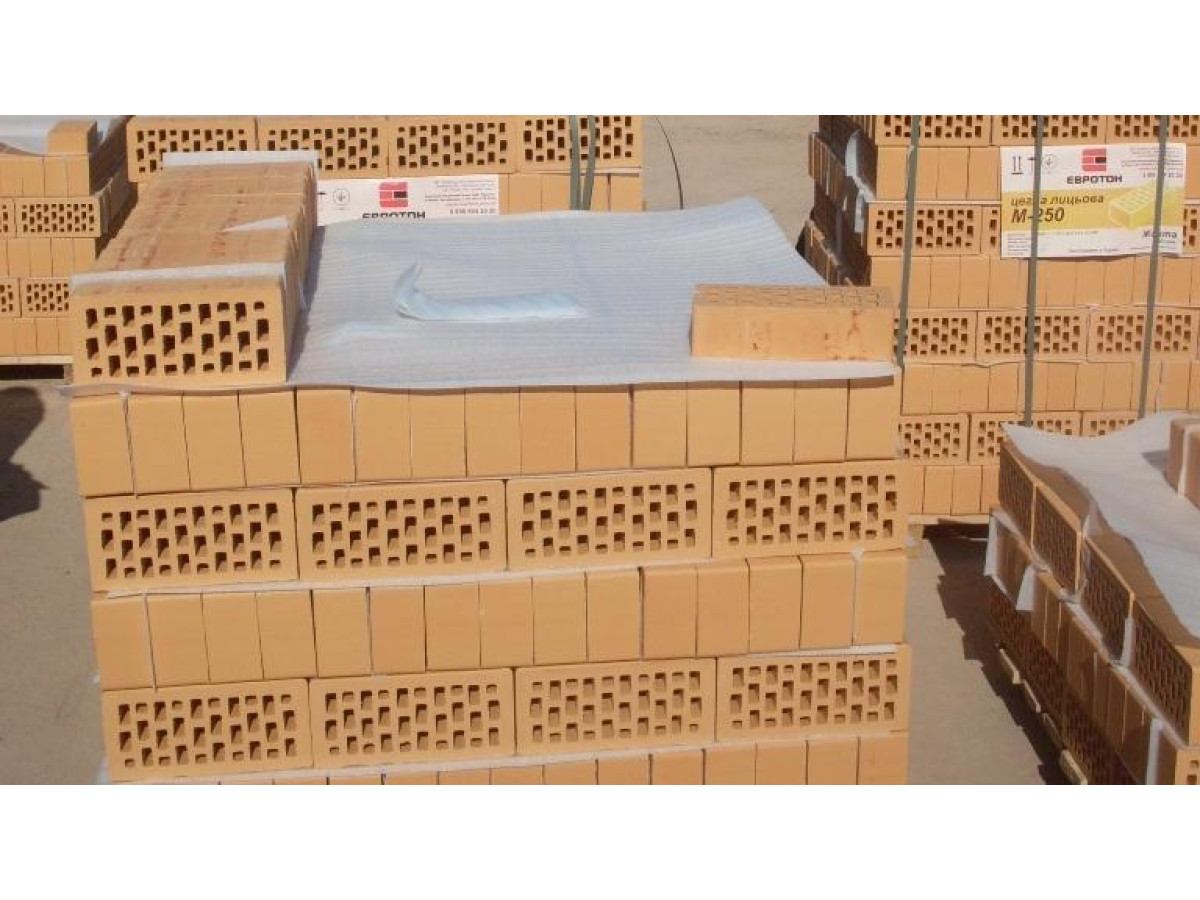
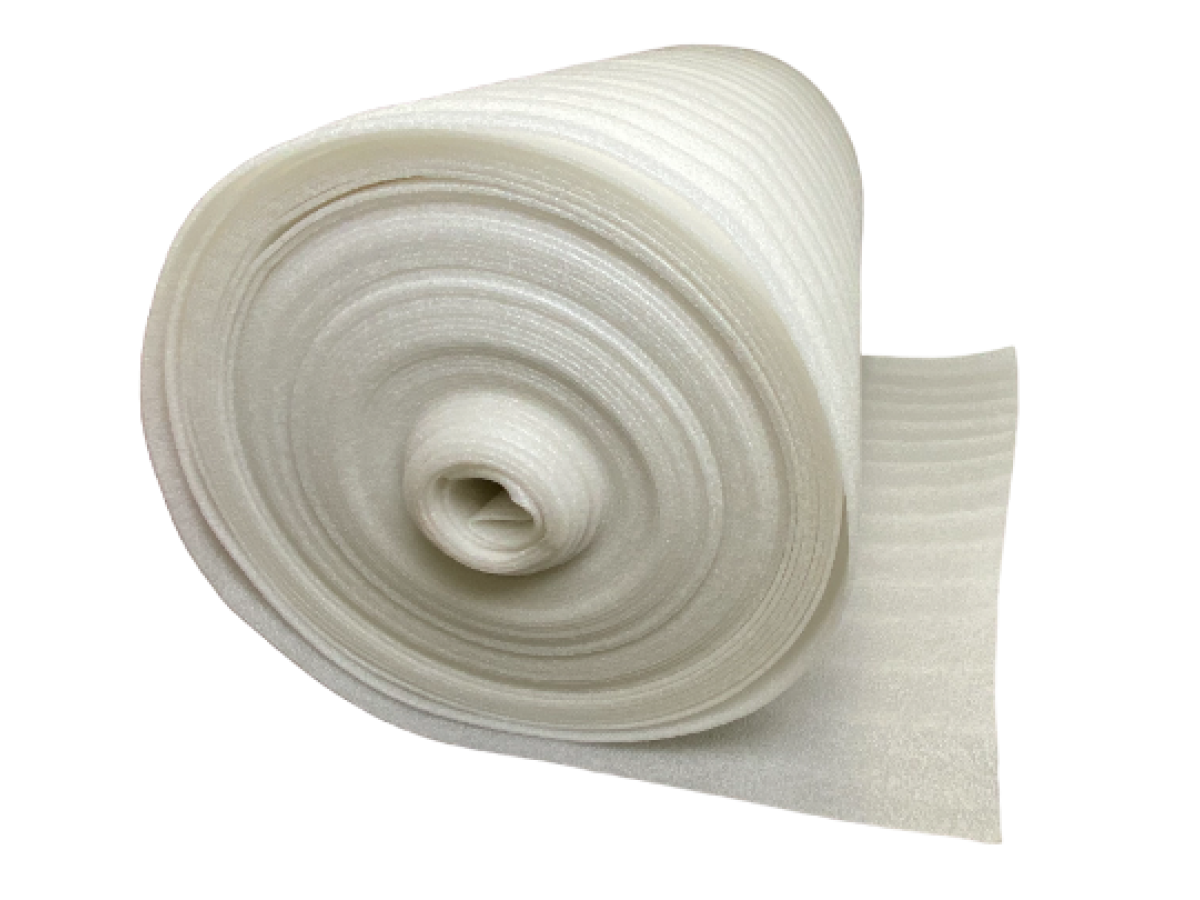 Foamed polyethylene – It's a lightweight and flexible material with good shock-absorbing properties, often used in industry for packaging and protecting goods during transportation and storage. It can effectively absorb shock and vibration, making it an ideal substrate for ceramic bricks.
Ceramic bricks are one of the most common and popular materials in construction. They are characterized by high strength, durability, and resistance to various impacts.
However, when stacking bricks on pallets after production and during transportation, the problem of wall deformation arises. To solve this problem, foamed polyethylene is used.
 When laying ceramic bricks in production, polyethylene foam is placed underneath the bricks, reducing vibration and noise that can occur during the operation of machinery and equipment. It also protects the bricks from damage and extends their lifespan.
To use polyethylene foam for laying ceramic bricks in production, it must be cut into individual strips or sheets of the required size. These strips are then laid on the surfaces where the bricks will be installed.
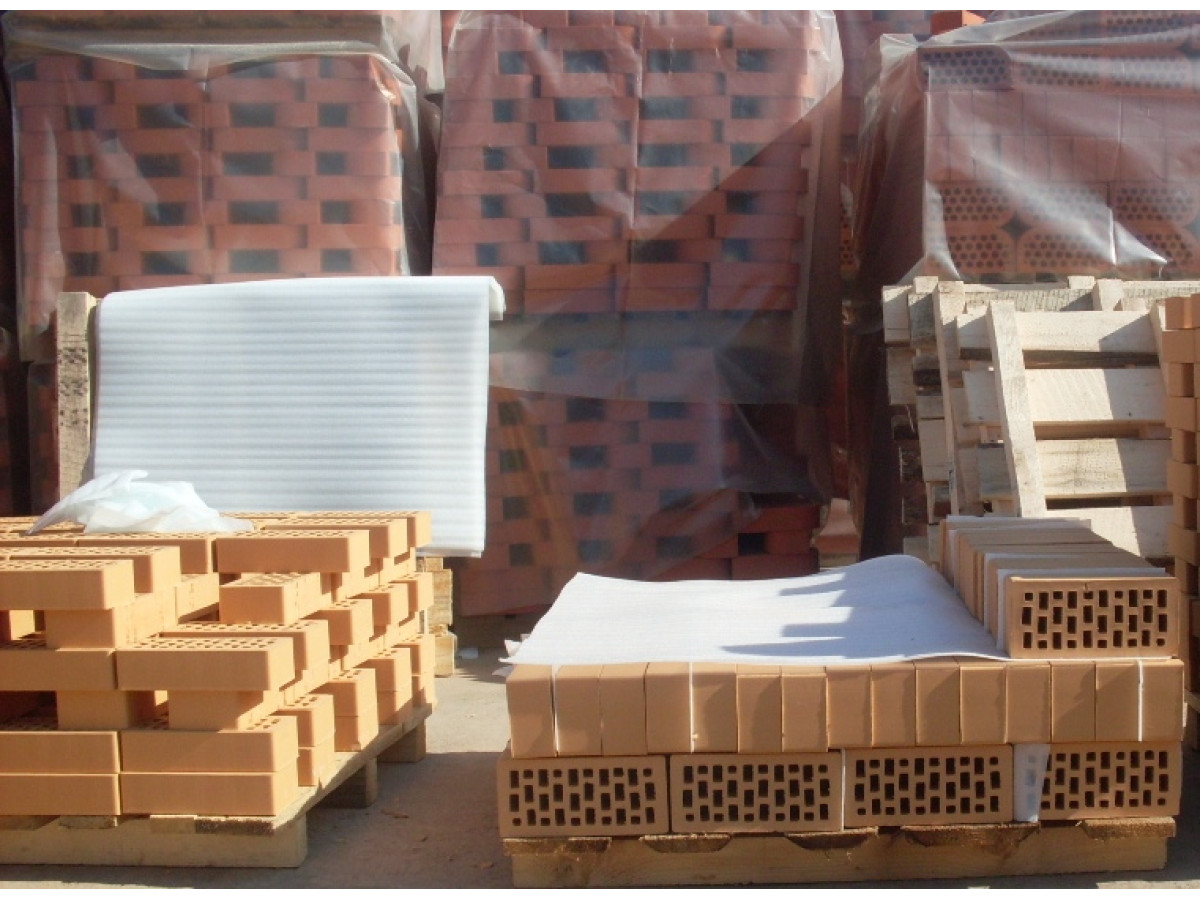
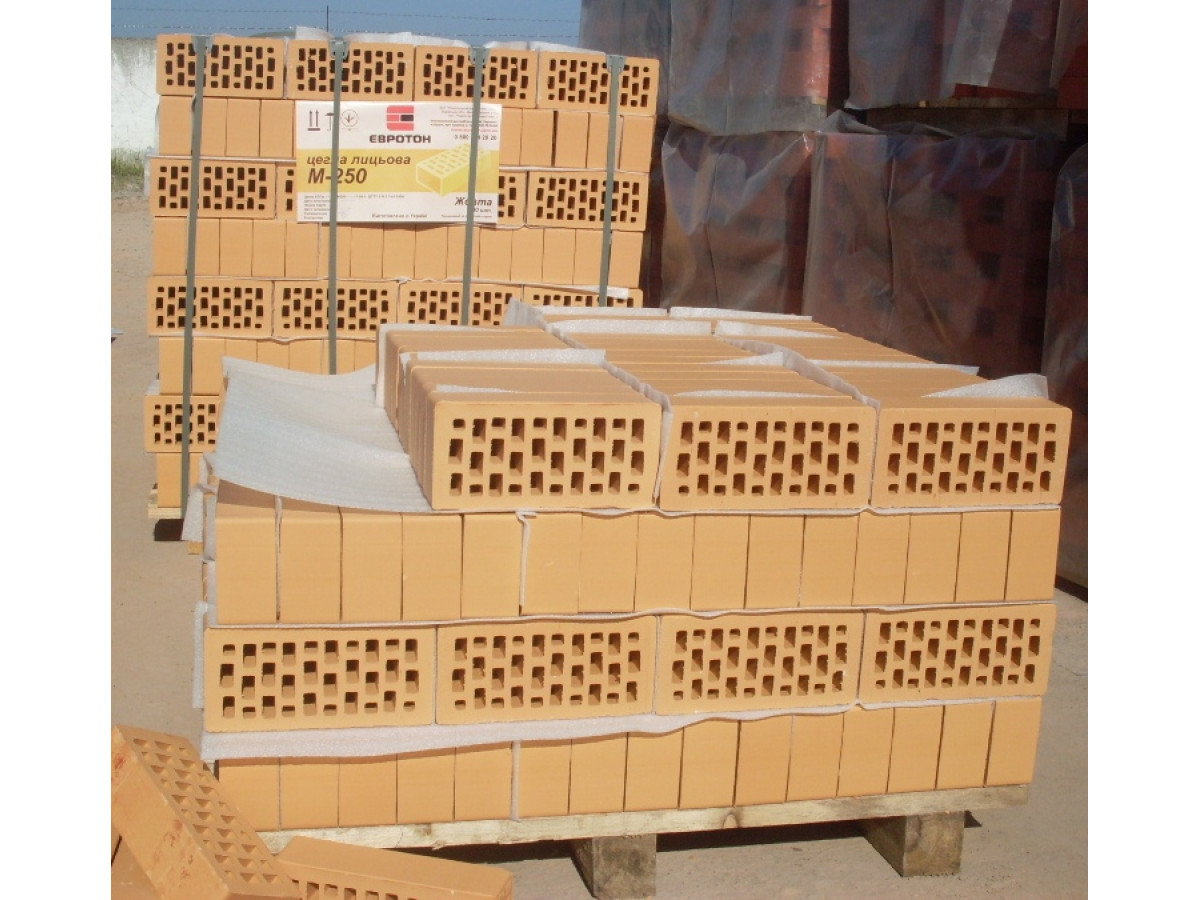
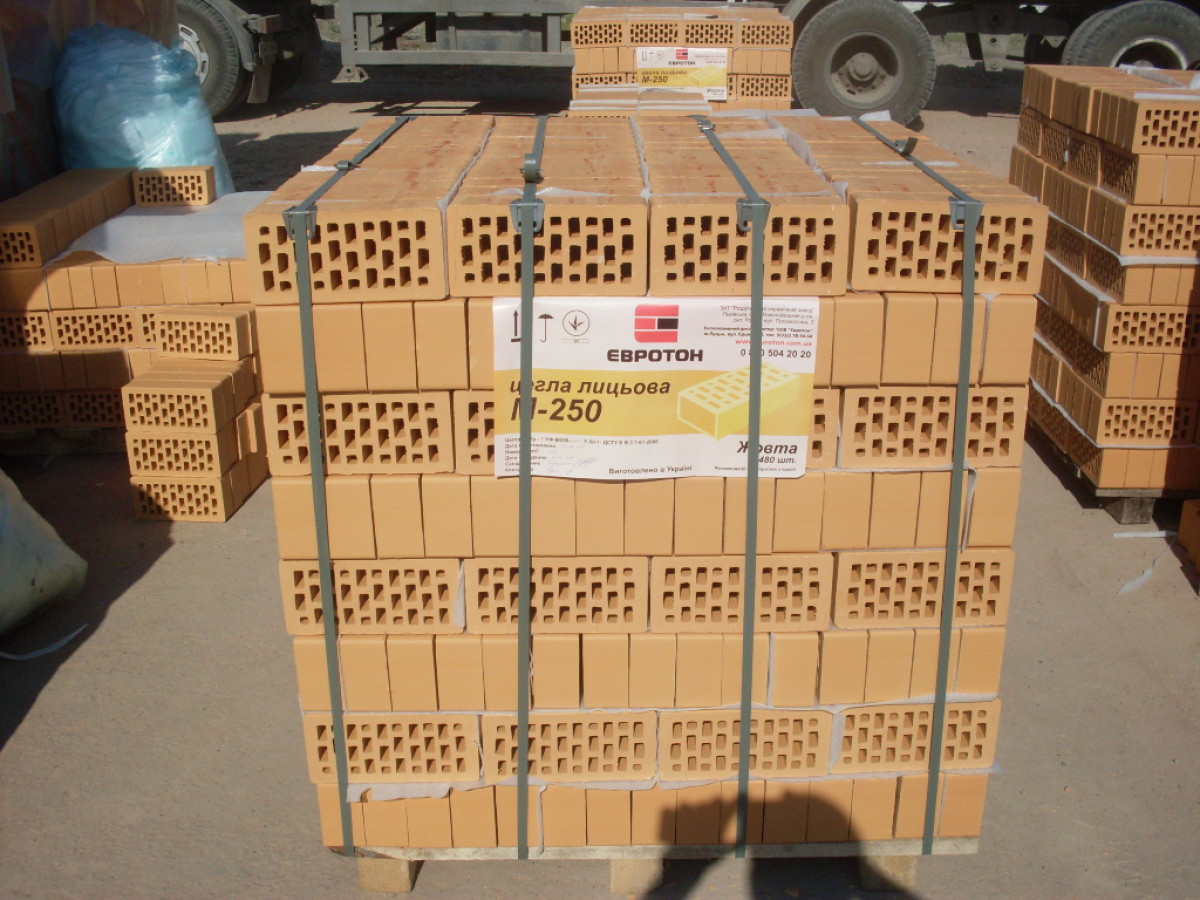
The key properties of polyethylene foam, which make it an excellent material for laying ceramic bricks, are its lightness and elasticity. This allows for easy placement of the bricks at the desired level and ensures even load distribution across the entire wall surface.
Bricks are often transported long distances before reaching their destination. During transportation, bricks can be subject to impacts, vibrations, and other physical stresses that can damage or break them.
In conclusion, polyethylene foam is an effective material for lining ceramic bricks on the production line and packaging to protect the bricks during transportation. It provides a smooth surface for laying bricks and protects them during transport. It is also resistant to water and chemicals, ensuring a long service life and protection for the bricks.
Write a comment