
.svg)

.svg)


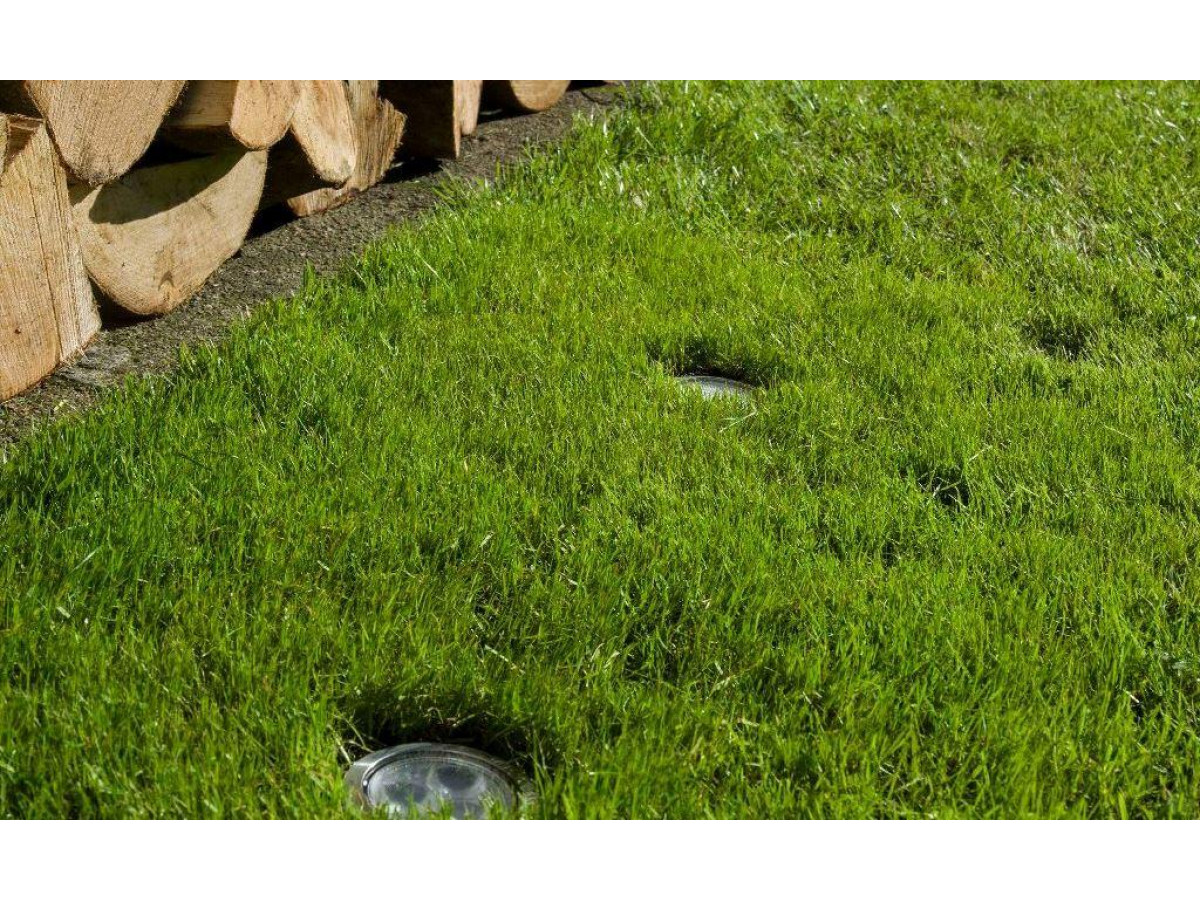
A neat, lush, green lawn is the perfect addition to any country house or property.
However, green lawns are susceptible to trampling, and the grass quickly dies, losing its attractive appearance. A modern lawn grate can solve this problem and protect the lawn from mechanical damage for a long time.
What is the function of such a grid?
The Gtella Green lawn grid protects the root system from damage, distributes soil loads more evenly, and ensures unimpeded drainage to the subsurface, preventing flooding.
The grid is a durable modular covering consisting of several diamond-shaped cells. The openings are filled with fertile soil, into which lawn grass seeds are sown, or fine infill is added to create paths.
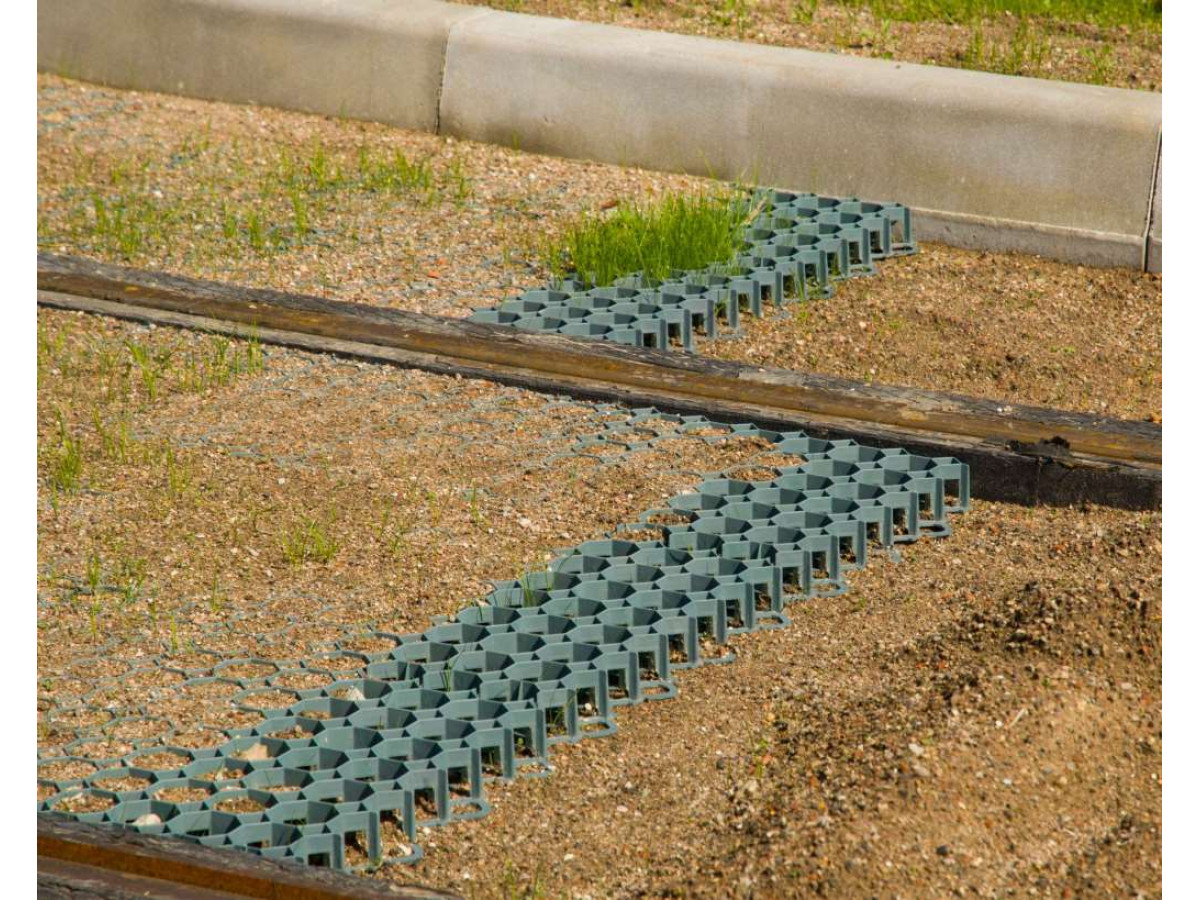
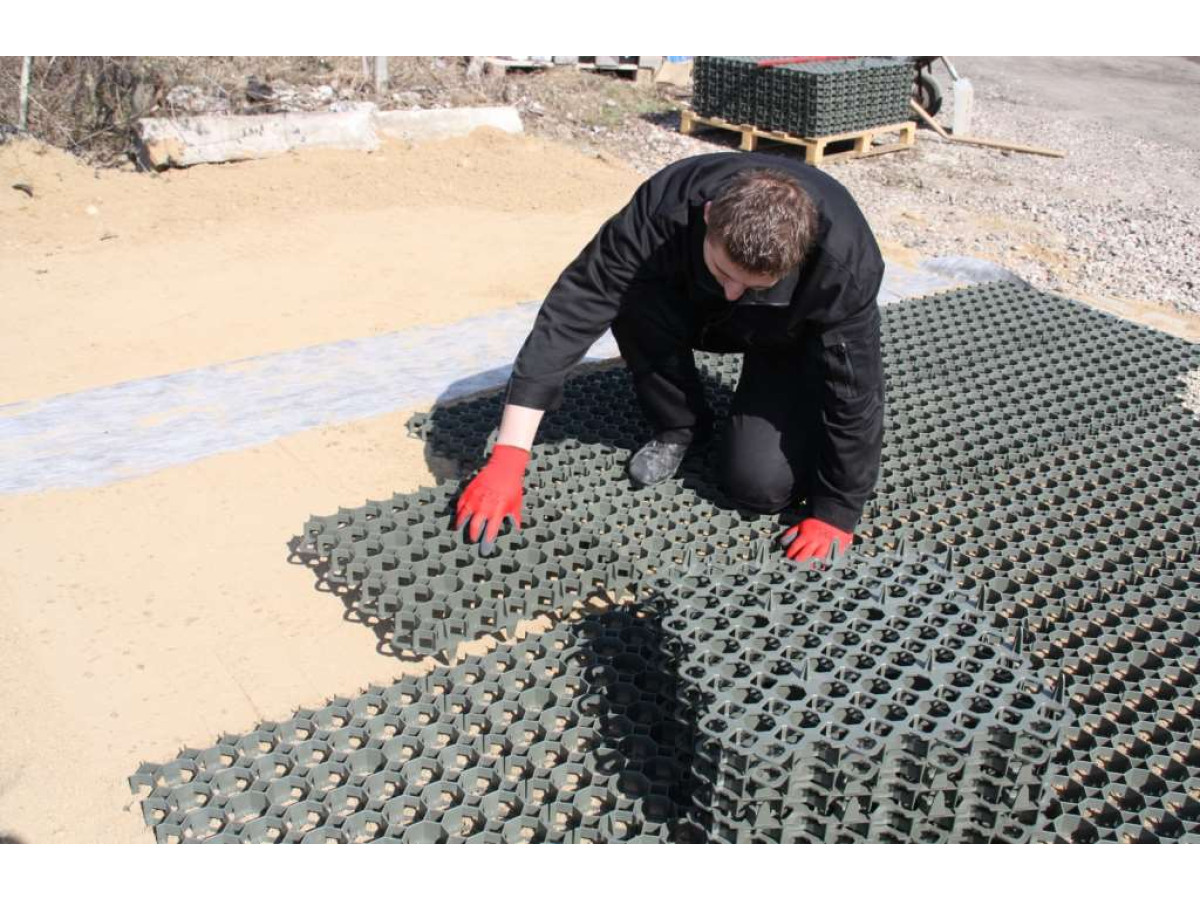
Laying a lawn grid is fairly simple and doesn't require any special equipment. First, prepare the area, level the surface, and create a subbase consisting of a mixture of gravel or crushed stone and a substrate (80% gravel, 5-20 cm thick, and 20% topsoil, 2-3 cm thick). The thickness of the gravel bed is determined by the type of load. The heavier the load on the area, the greater the thickness of the gravel or crushed stone required. A geotextile is laid over the subbase. This material protects the lawn from weeds, acts as a drainage system, and prevents materials from mixing. A leveling layer of sand (up to 3 cm) is then poured onto the geotextile, and the lawn grid is laid, its modules being fastened together with a locking joint. Fill the grid with fertile soil and sow grass seed, or fill the holes with small stones, sea pebbles, or other loose materials. Keep in mind that lawn seeds should be sown 2-3 cm below the very top of the grid to avoid damaging the grass roots.
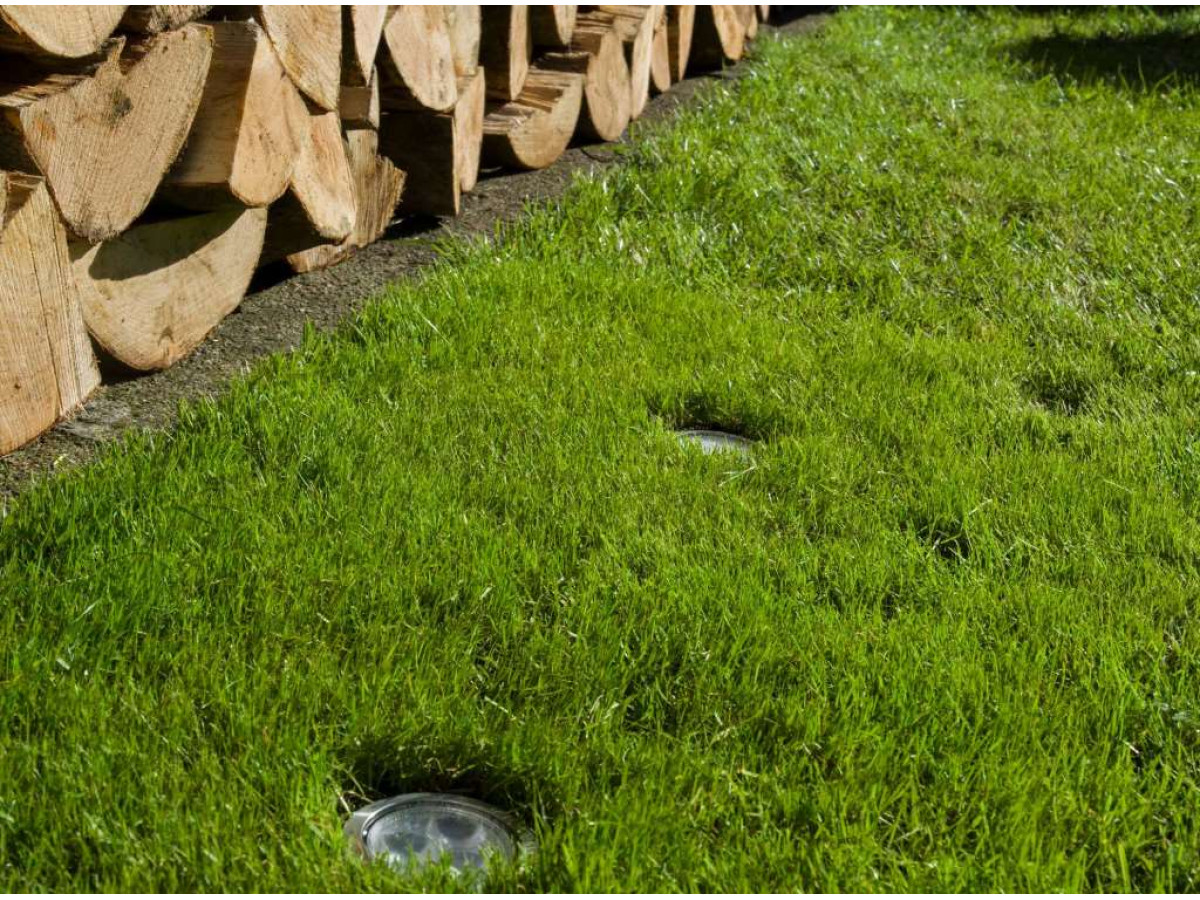
If you follow all the steps correctly, you'll soon be enjoying the bright, lush, green grass you planted yourself without any effort!
You can order a trellis by calling: ☎(067) 327-94-21
Write a comment