
.svg)

.svg)


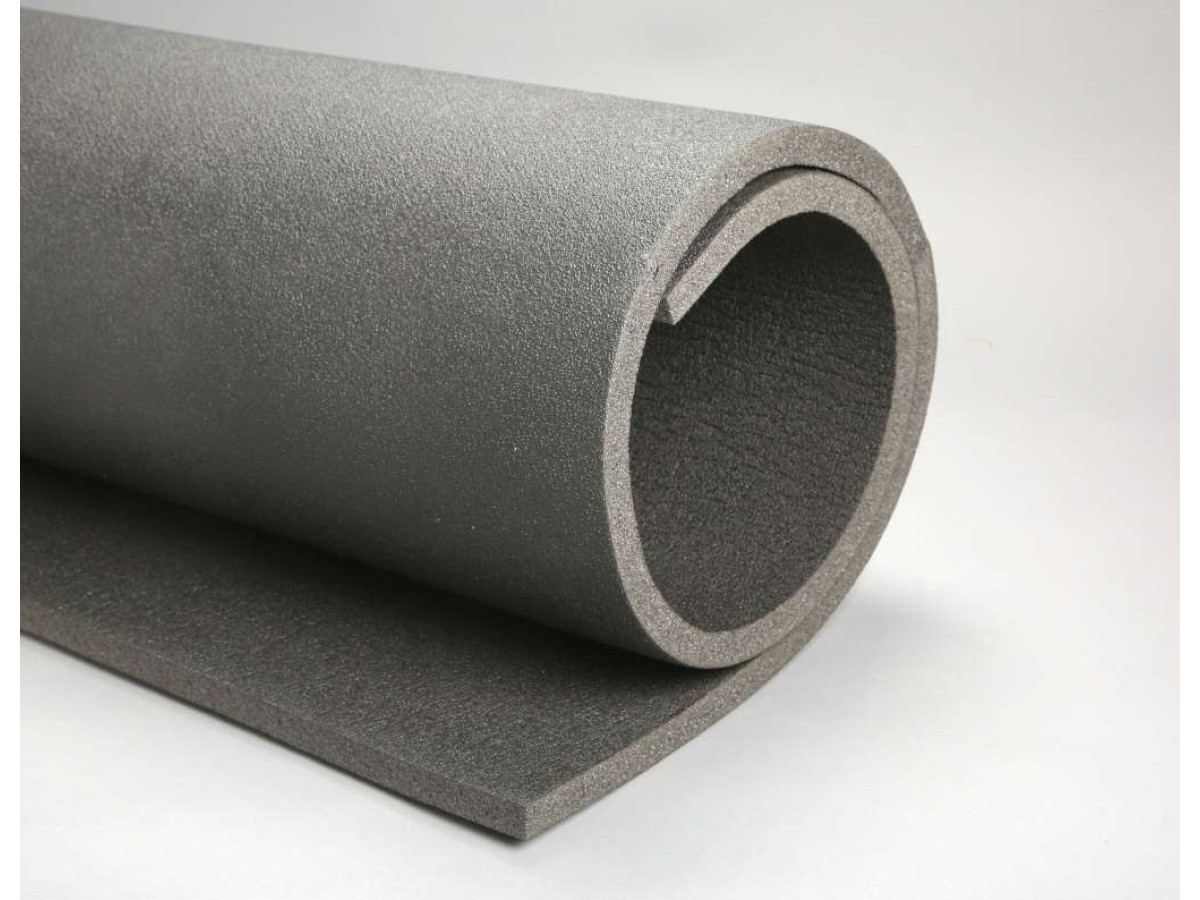
We often hear the question from our clients: “What is the difference between chemically cross-linked polyethylene (CPE) and ethylene vinyl acetate (EVA)?”
In this article, we'll compare these materials in detail to understand the features and differences between them. We'll start by clarifying what each material actually is.
 Chemically cross-linked polyethylene foam (CPE) is a rolled material with a closed-cell structure.
It is produced by foaming polyethylene granules with the addition of chemical reagents. This method allows the material to maintain its properties and thickness throughout its entire service life.
Ethylene vinyl acetate (EVA) is a
polymeric substance belonging to the class of esters, produced by the copolymerization of ethylene and vinyl acetate monomer.
As you can see, even in terms of production method and raw materials, these materials are completely different. So, let's now compare their characteristics and applications.
|
Характеристики |
ХРЕ |
EVA |
|
Цвет: |
Производится только в сером цвете. |
Производится в любом цвете. |
|
|
От 25-200кг/м3 |
От 30-310кг/м3 |
|
Толщина: |
|
От 1,5-40мм |
|
Форма выпуска: |
Рулоны и листы. |
|
|
Сфера применения: |
Строительная промышленность, упаковочные товары, спортивные товары. |
Строительная промышленность, автомобильная промышленность, упаковочные товары, медицина и косметология, спортивные товары |
|
Температурный диапазон
|
-80 — +100 ºС. |
-68 — +85 ºС. |
Let's summarize!
Both XPE and EVA materials differ in their production methods, technical characteristics, densities, colors, and thicknesses. However, each of these materials has unique properties and a wide range of applications.
For further consultation or to place an order, please call:
☎067-504-38-12.
Write a comment