
.svg)

.svg)


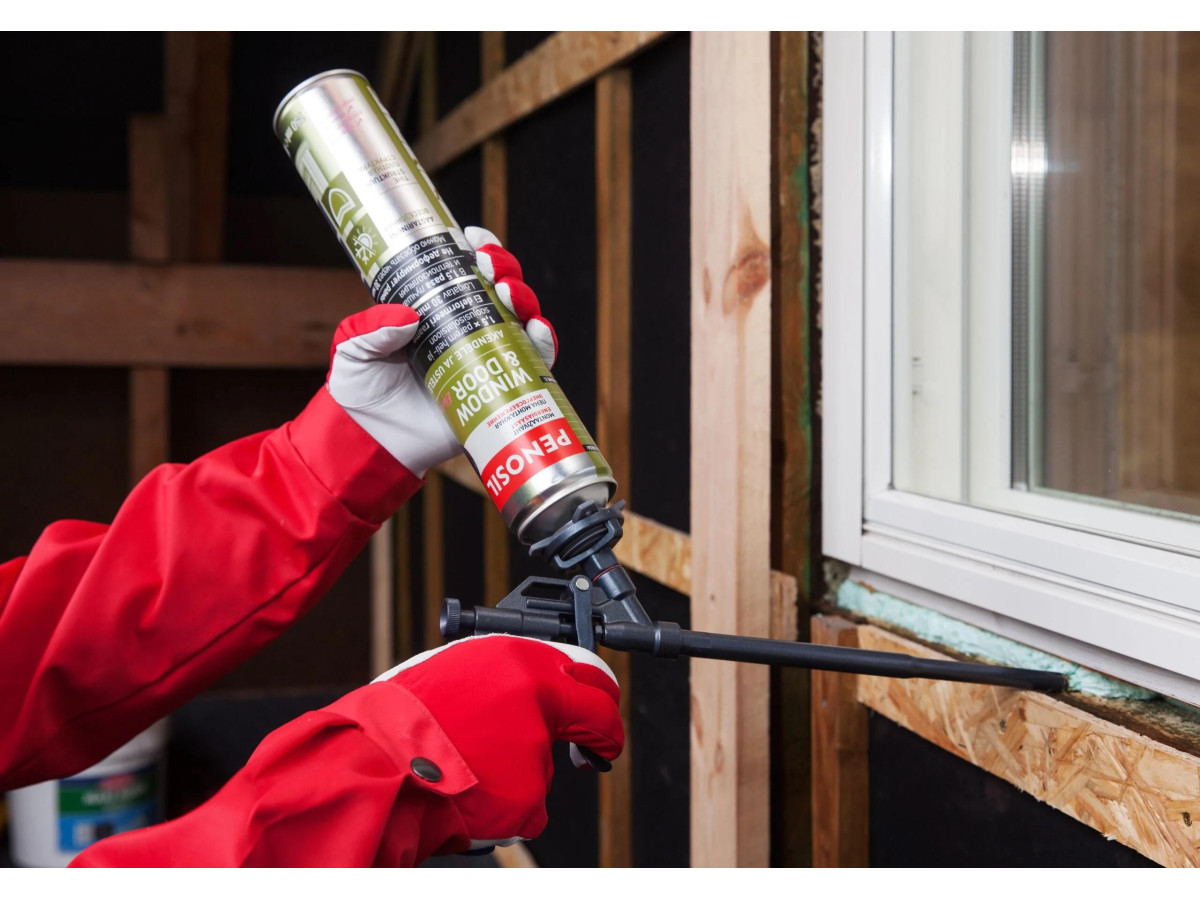
Polyurethane foam is an indispensable assistant in construction and repair, ensuring the sealing of seams and cracks. However, it is not always possible to avoid getting foam on surfaces from which it is difficult to remove. It is important to know how to effectively clean these surfaces without damaging them. In this article, we will look at how to wash polyurethane foam, as well as the benefits of specialized cleaners.
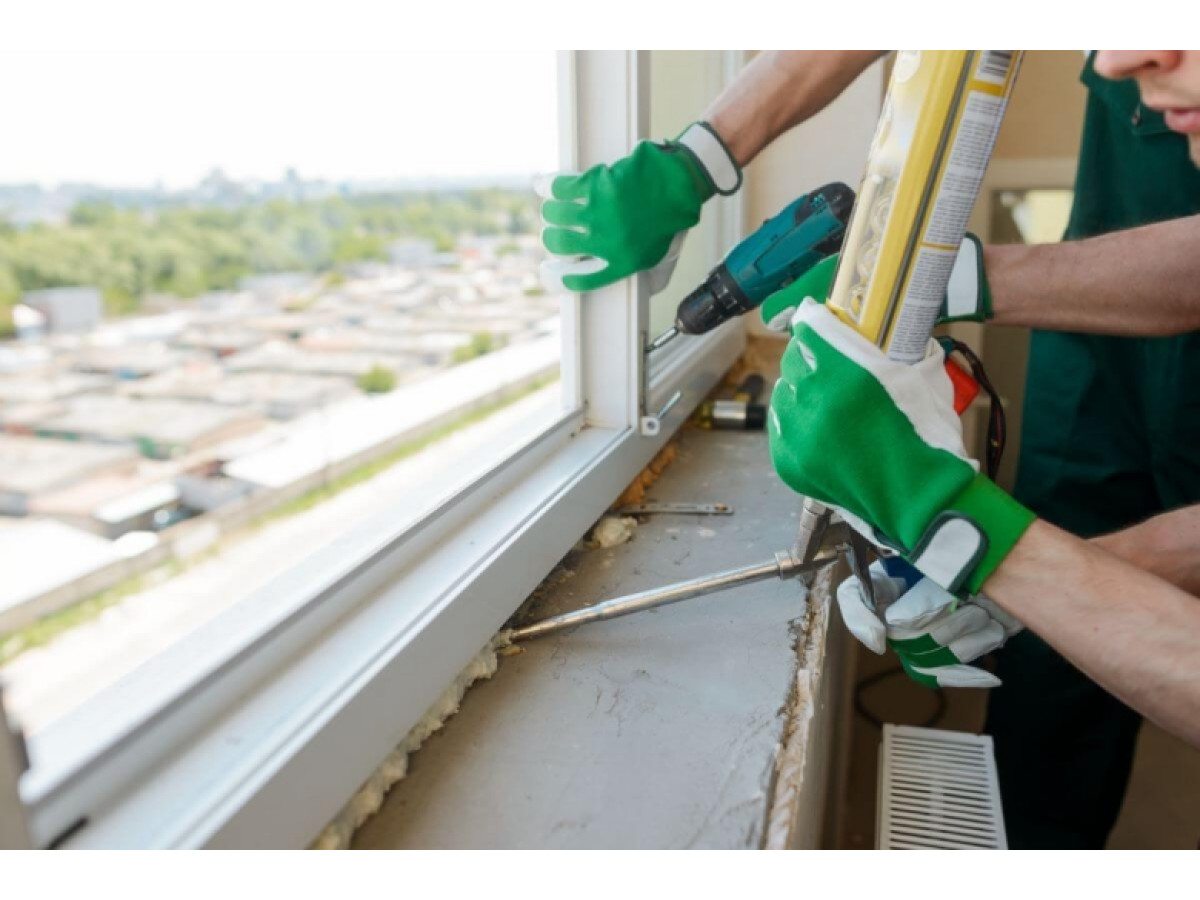
specialized solvents come to the rescue.
How to wash off polyurethane foam:
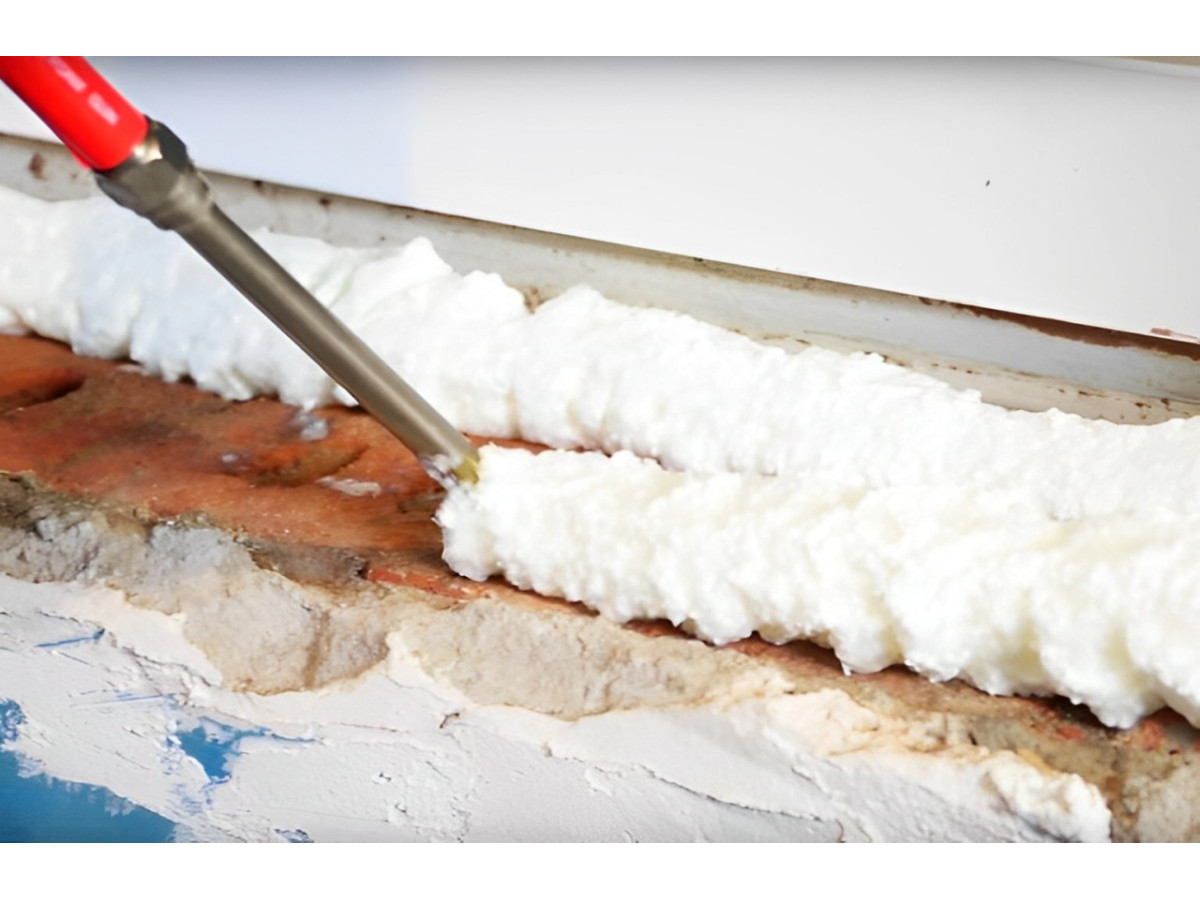
● From the hands and other parts of the body. To cleanse the skin of fresh foam, you can use vegetable oil or special hand cleansers. It is better to remove the hardened foam mechanically, gently shaking or using a pumice stone.
● From clothes. Fresh foam from clothes should be immediately blotted with a paper towel and rinsed under cold water. You can try to remove the hardened foam with acetone, but first check its effect on an inconspicuous part of the fabric.
● From doors and doorways. To clean the door, you can use alcohol or foam thinner, which will not damage the paint or varnish.
● From floor coverings: linoleum, laminate and others. For these surfaces, a specialized cleaner or a delicate solvent that will not damage the coating is suitable.
● From plastic windows and panels. Use a mild solvent or alcohol by applying it to a soft cloth rather than directly onto the plastic.
● From a metal door. Universal solvents can be used, but with care not to damage the coating.
● From the foam gun. Cleaning the gun requires the use of a specialized foam solvent so as not to damage its elements.
How to remove polyurethane foam from other types of surfaces:
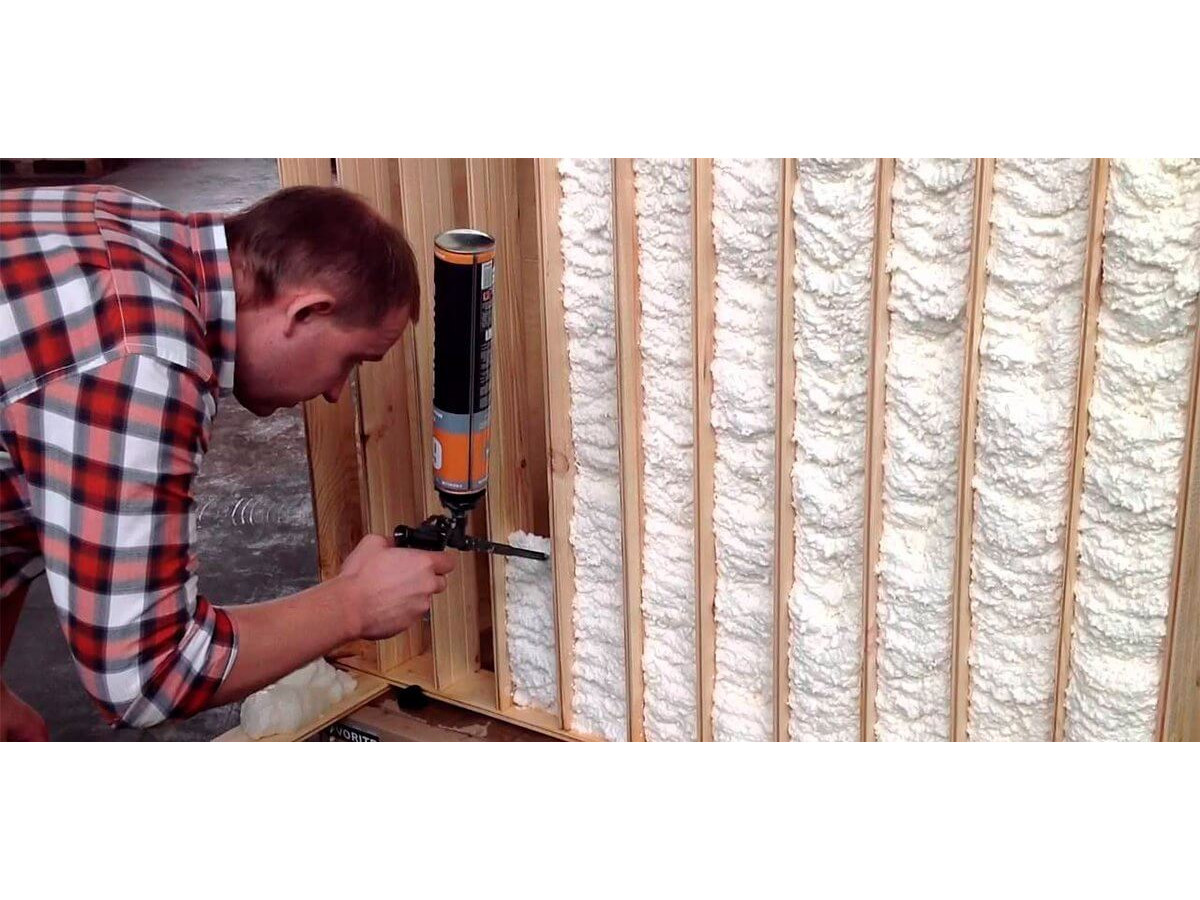
● Furniture and carpets. For furniture, use alcohol or a mild solvent, carpets - specialized stain cleaners.
● Wallpaper. Be careful to use only mild cleaners to avoid damaging the wallpaper.
● Car. For the car body, a specialized car shampoo or solvent that will not damage the paintwork is suitable.
● Brick. Brick surfaces can be cleaned with a solvent or by mechanical removal.
How to protect surfaces from unwanted foam ingress
Protecting surfaces from unwanted ingress of polyurethane foam is a critical aspect in construction and repair work. Effective protection measures will help to avoid unnecessary cleaning efforts and possible damage to materials. Here are some tips to help protect surfaces as much as possible:
Surface preparation. Before you begin, evaluate the area where the polyurethane foam will be used. Determine which surfaces need to be protected. Make sure the surfaces are clean and dry. Dirt and dust can reduce the effectiveness of protective materials.
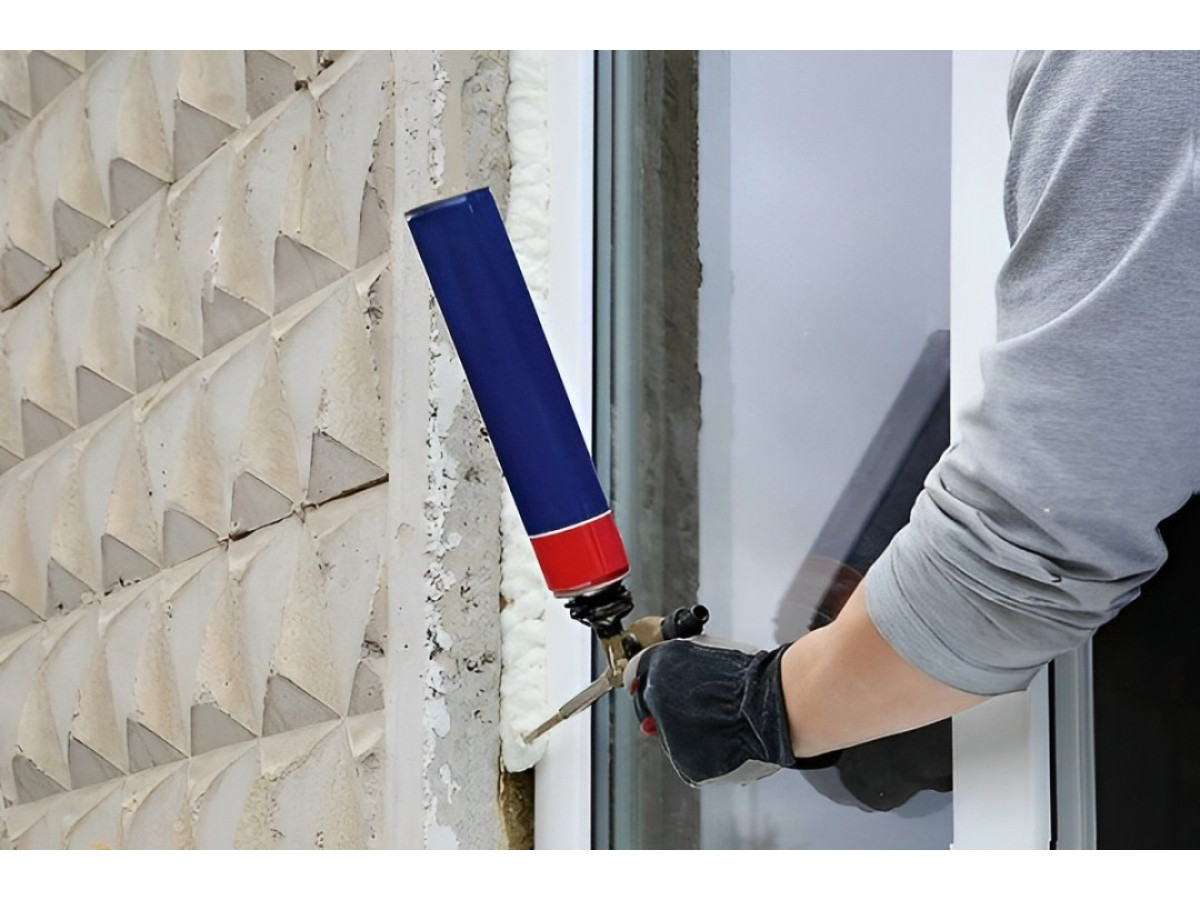
Use of protective materials:
● Masking tape and film: Use masking tape for edges and corners that need protection. For larger surfaces, it is convenient to use a special protective film or old newspapers. This is especially true for the protection of windows, doors, floors and furniture.
● Protective blankets and fabrics: Old sheets, blankets, or special protective fabrics can be used to protect furniture and floors. They are effective for large objects and areas.
● Plastic containers and lids: Small items can be placed in plastic containers or covered with lids to keep foam out.
During operation:
● When working with polyurethane foam, try to apply it carefully, avoiding excessive spraying. Use foam guns for more precision and control.
● If foam does come into contact with a protected surface, remove it immediately before it hardens. This will make cleaning much easier.
After work:
● Upon completion of the work, carefully remove all protective materials. This will help to avoid the spread of foam residues to unprotected areas.
● After removing all protective materials, check for any traces of foam. If any are found, clean them immediately with the recommended products.
Knowing how to properly remove polyurethane foam from various surfaces will help avoid damage to materials and maintain the aesthetic appearance of your home or car.
Write a comment